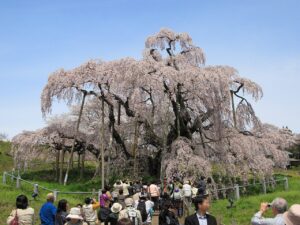
Walk in through the west doors at Iwaki La La Mew on a Saturday morning and you’ll get hit by two things at once. The smell — briny, ferrous, slightly sweet, like a fish market should smell — and the sound of seven different shopkeepers calling out at the same time. A man in white rubber boots is gutting a flounder on a board the size of a small door. A woman two stalls down is sliding raw octopus tentacles into vacuum bags faster than you can follow. There’s a cardboard sign behind her that just says 本日 — “today” — with the prices in Sharpie. This is the working end of the Onahama port, and it has earned every bit of the swagger.
In This Article
- Quick facts
- What La La Mew actually is
- The 2011 story (and why it matters)
- What to actually buy in the fish market
- Eating upstairs: the honest take
- The Mew Mew kids’ zone (and a warning)
- What’s nearby (and worth combining)
- Getting there from Tokyo
- Where to stay
- Honest take: is it worth it?
- FAQ
- Is Iwaki La La Mew open every day?
- Is the seafood actually safe to eat after Fukushima?
- How long do you need at La La Mew?
- Can I get there without a car?
- Is there an English menu?
- Is it good for kids?
What’s interesting about La La Mew (いわき・ら・ら・ミュウ, Iwaki Ra Ra Myu) isn’t really the seafood, although the seafood is excellent. It’s that the building is here at all. The Onahama waterfront was flattened by the March 2011 tsunami. The U.S. Air Force photo from late March that year shows fishing boats sitting on top of the customs building. La La Mew was four hundred metres from where the wave landed, and within months it was running again. The Guardian came in 2017 to write about it as a symbol of Fukushima’s rebuild — the article was filed under “tomatoes, fish, and hula dancing” — and the place has been quietly busy ever since.
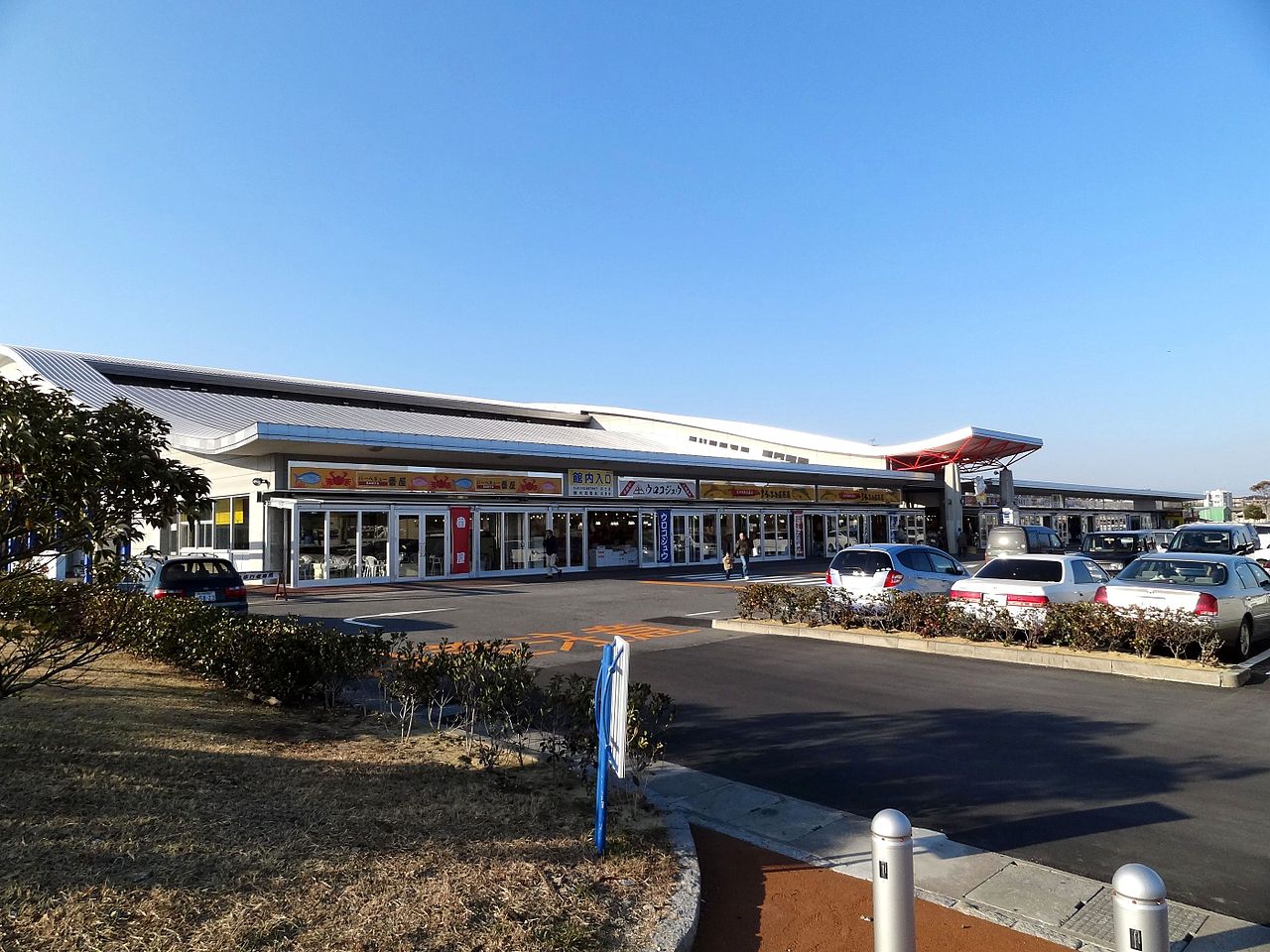
Quick facts
- Where: 43-1 Tatsumi-cho, Onahama, Iwaki City, Fukushima 971-8101
- Getting there: 15 min by Shin-Joban bus from JR Izumi Station (Joban Line, ~3 hours from Tokyo via Hitachi limited express). Alight at Onahama Annaijo (小名浜案内所), 7 min walk. Or 20 min by car from Iwaki-Yumoto IC on the Joban Expressway.
- Hours: Fish market and shops 9:00-18:00. Restaurants 10:00-18:00 (last orders ~17:00). Mew Mew kids’ zone 10:00-18:00.
- Cost: Free entry. Parking free (430 spaces).
- When to go: Mid-morning Saturday or Sunday for the full market atmosphere. Avoid the 12:30-13:30 lunch crush at the upstairs restaurants if you want a sea view.
- Official site: lalamew.jp (Japanese, with floor map)
What La La Mew actually is
The signage calls La La Mew an “ocean and fish food theme park.” That’s a stretch — there are no rides, no actors in mascot suits chasing you with photographic packages. What you get instead is a two-storey complex broken into six zones, all built around the Onahama fishing port that sits about a hundred metres from the back doors.
The downstairs is functional and noisy. Seven fish stalls in a U-shape down one side — that’s the Kaisen Ichiba, the seafood market — and fifteen souvenir and dry-goods shops down the other (the Kaisen Furusato). The fish stalls are run by the Onahama wholesalers themselves, not by retail middlemen. You can haggle. You probably won’t, because you’re a foreigner and you don’t speak fast enough, but watching the regulars do it is half the entertainment.
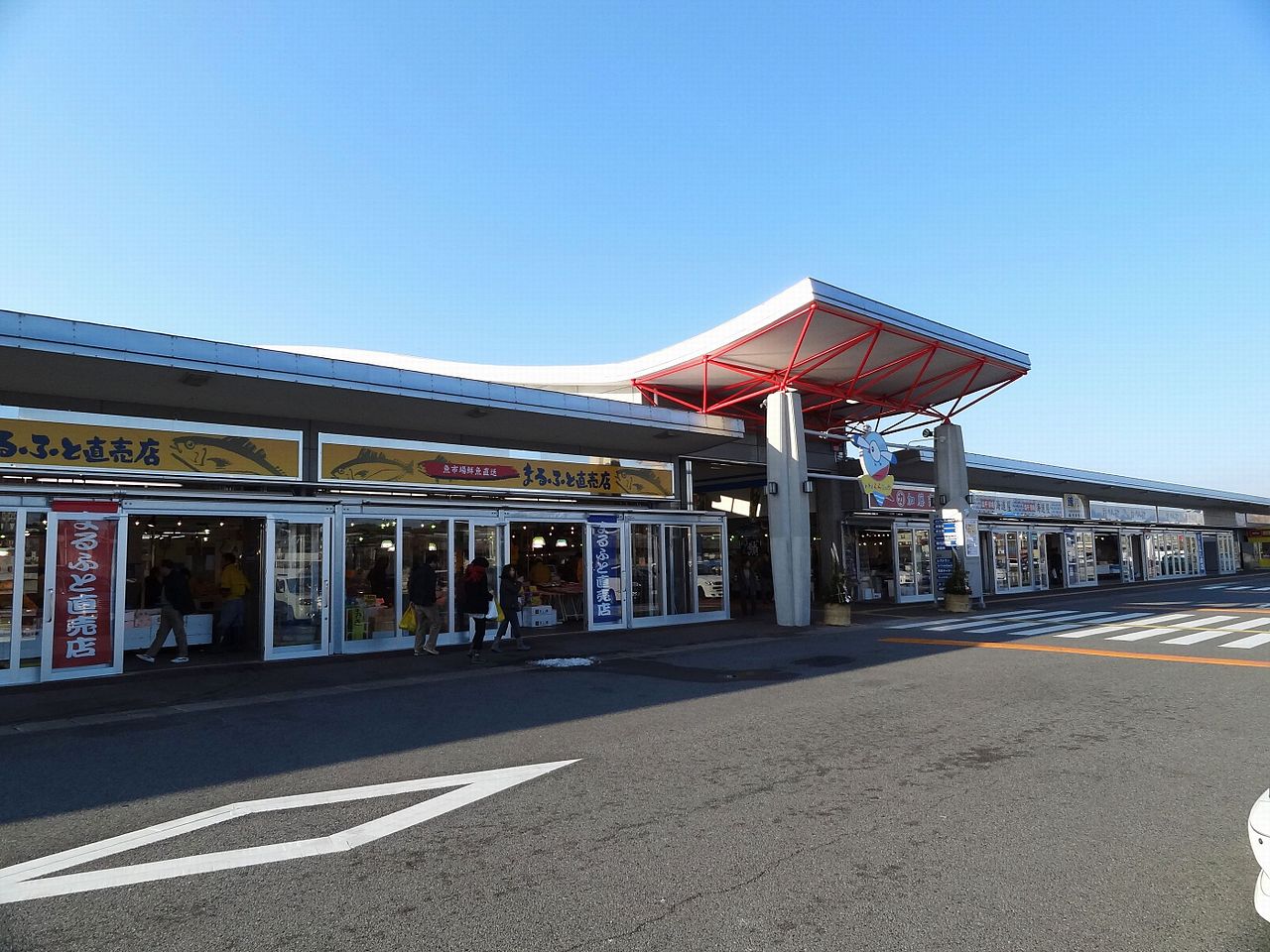
Upstairs is where you eat. Twelve restaurants share two floors of the Kaisen Gourmet zone — sushi, kaisendon (rice bowls topped with raw fish), tempura, ramen, the local mehikari deep-fry plates, and a couple of more polished sit-down places with Pacific views. There’s a children’s play area called Wampaku Hiroba Mew Mew (わんぱくひろば・ミュウミュウ, “Mischief Plaza Mew Mew”), and a small free exhibition called the Iwaki Mew-seum that walks you through the city’s history and the post-2011 recovery. The Mew-seum is genuinely worth the fifteen minutes.
One zone you should specifically look for: the open-pit BBQ area called Seafood BBQ Banya (海鮮バーベキューバンヤ). You buy the fish or shellfish you want from the market downstairs, take it upstairs to the Banya, and they grill it for you on a charcoal hibachi at your table. It’s the most fun thing you can do here and almost no English-language guides mention it.
The 2011 story (and why it matters)
This is the bit nobody tells you, and it changes how the place reads.
La La Mew opened in 1997 as the marketing arm of the Onahama port — a way to push fresh fish straight from the wholesalers to the public, without it going through Tokyo’s distribution networks first. By the mid-2000s it was Iwaki’s busiest non-aquarium attraction, pulling in two million visitors a year. Then, on 11 March 2011, a wave of around 8 metres came in over the breakwater. The complex itself stayed standing — it was built high enough on the promontory — but the surrounding port was wrecked, and worse, the Daiichi nuclear meltdowns 50 km north dropped a curtain over the entire prefecture’s seafood industry overnight.
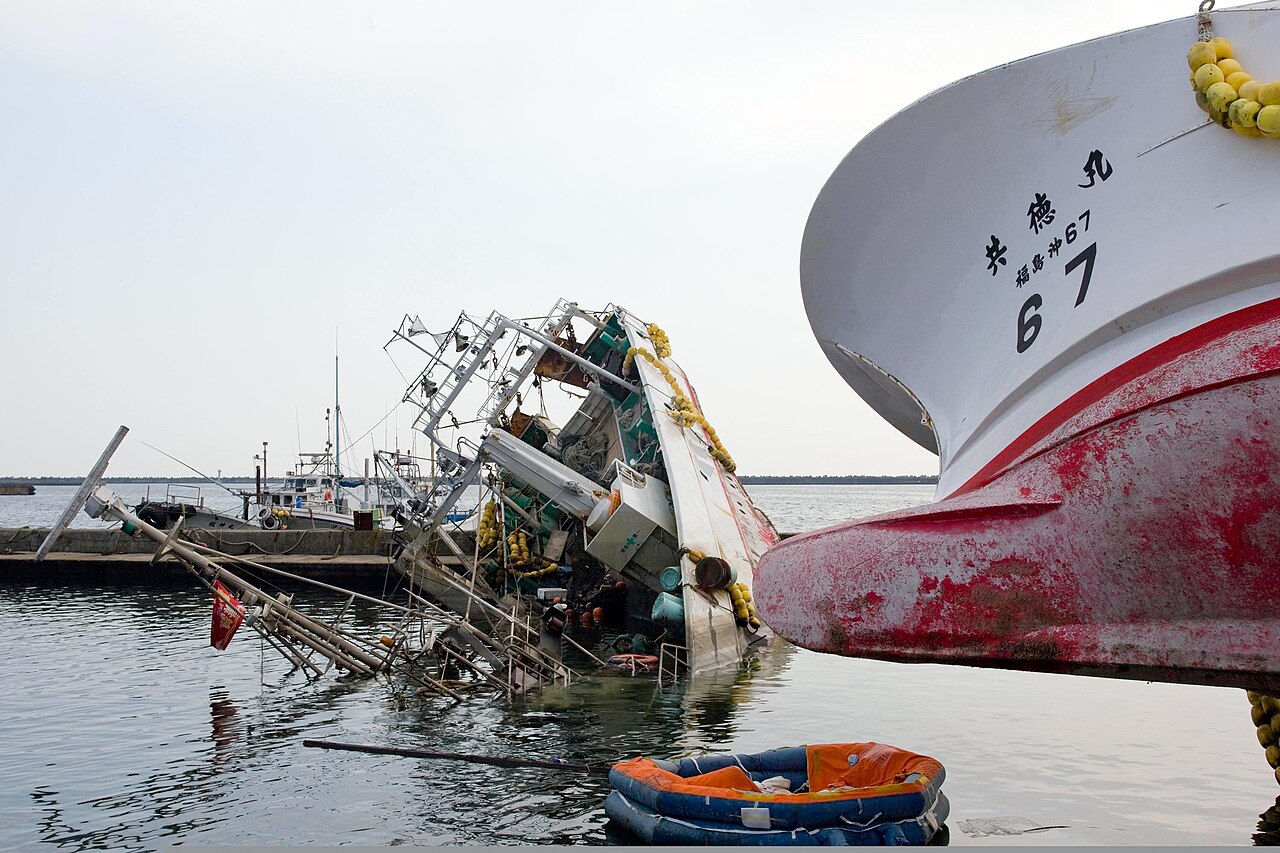
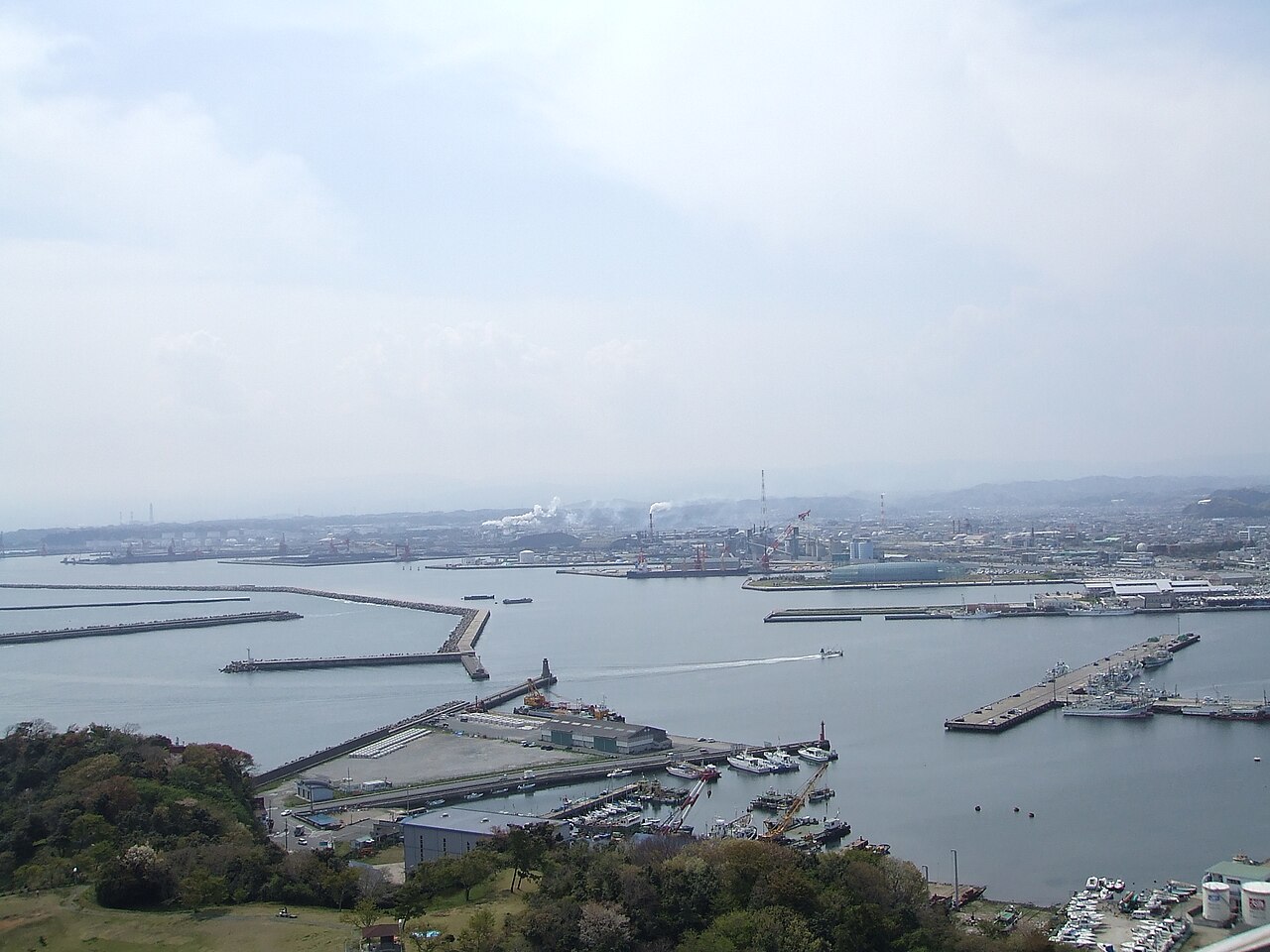
What happened next is the part that’s actually impressive. The Onahama fleet was running test catches by April. La La Mew partially reopened that summer, mostly for souvenir sales since fresh fish was still under restriction. The full re-launch came in July 2012 with a programme of monitored fish — every catch screened for caesium before going on sale, with the test results posted publicly on a board near the entrance. They still post test results, fourteen years on, even though the readings have been below detection limits for years. The Guardian piece in February 2017 picked the place out as one of the more visible signs that the coastal economy hadn’t given up.
You’ll notice if you look that the Mew-seum upstairs spends about a third of its floor space on the recovery — photos, salvaged objects, a video loop of the days after. It’s the only part of La La Mew that asks you to slow down.
What to actually buy in the fish market
Iwaki sits on the boundary line where the cold Oyashio current from the north meets the warm Kuroshio coming up from Okinawa. The local seafood industry calls the catch Joban-mono (常磐もの) — “Joban stuff,” after the historical name for this stretch of the coast — and it’s the term you’ll see written everywhere on the price boards. Knowing the seasonal calendar makes a real difference to what you walk away with.
- Spring (Mar-May): Whitebait (shirasu, 白子) by the kilo. Sea bream (tai) and the start of the bonito (katsuo) season. Fresh wakame seaweed.
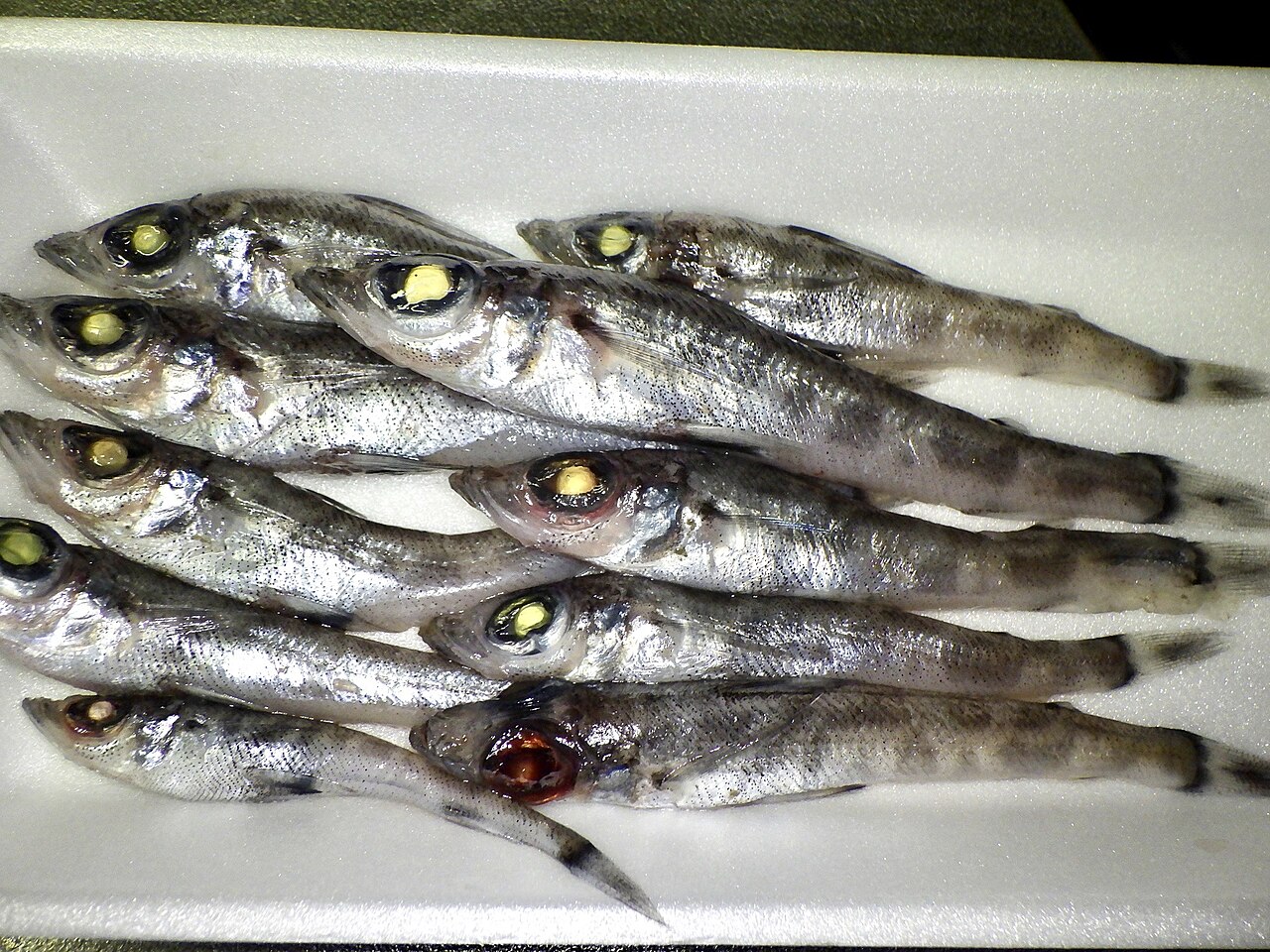
- Summer (Jun-Aug): Peak bonito. Sea bass (suzuki). Mehikari (メヒカリ, “green-eye”) — Iwaki’s signature small deep-water fish, usually deep-fried whole. Spiny lobster if you’re lucky.
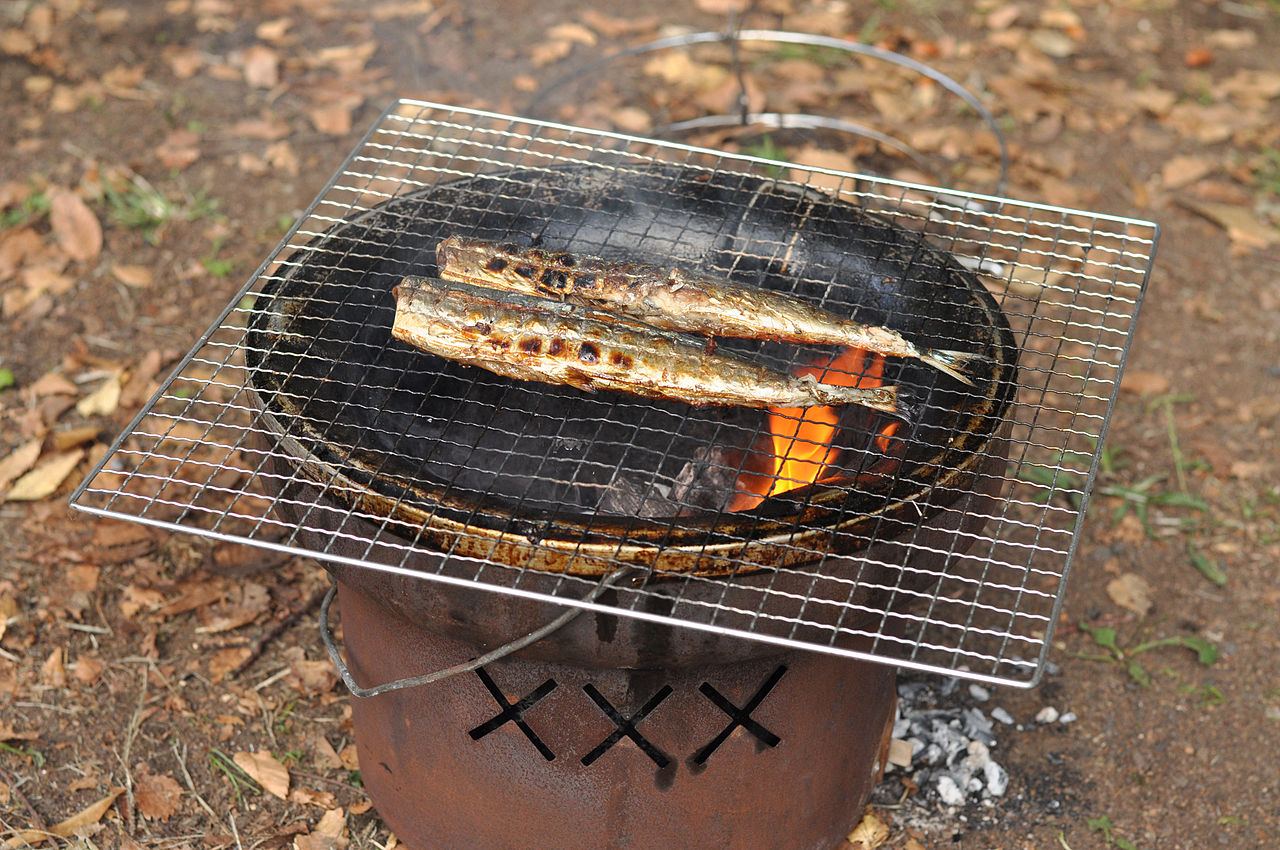
- Autumn (Sep-Nov): Flounder (hirame), saury (sanma) at its peak. The grilled saury po-po-yaki is an Iwaki street-food classic and a couple of the upstairs restaurants do it properly.
- Winter (Dec-Feb): Monkfish (ankou) — the Joban-mono ankou nabe (hot pot) is one of the best winter dishes in eastern Japan. Mexicali (mehikali‘s deeper-water cousin). Sea urchin (uni) kaiyaki, served grilled in its own shell.
If you only buy one thing: a packet of mehikari deep-fry from one of the dry-goods stalls. They’re sold ready-to-eat in 100g bags, salty, crunchy, with the little bones soft enough to chew right through. The fish itself only lives off the Iwaki coast in commercial quantities, so this is genuinely a place-specific thing rather than a tourist invention.
Eating upstairs: the honest take
The upstairs restaurants are uneven. There are twelve of them and the quality range is wider than it should be for a building this small. A quick guide to skip the disappointments:
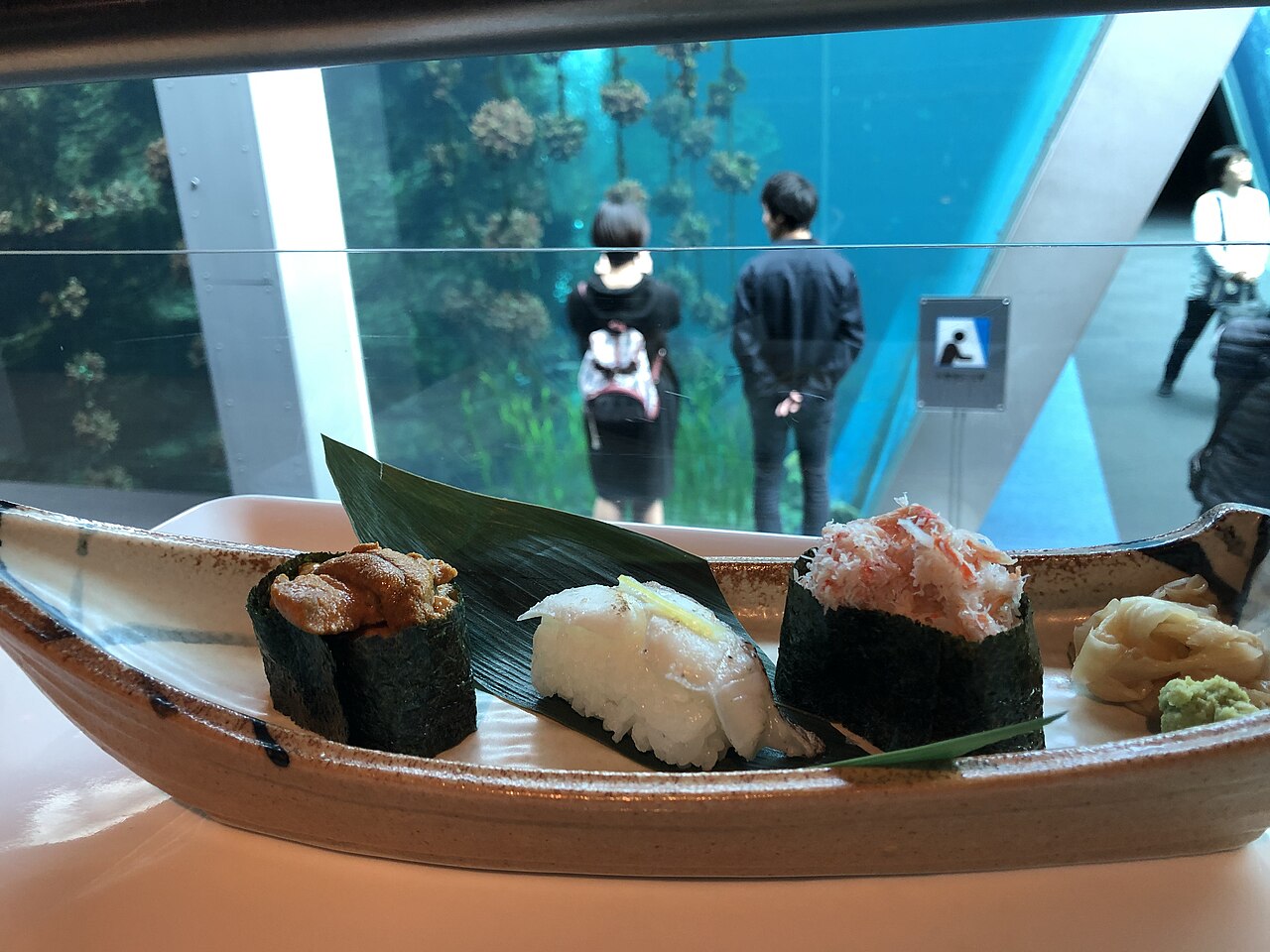
Worth your time: the kaisendon places that face the sea side. The Joban-mono kaisendon at most of them is around ¥1,500-¥2,000 and the rice-to-fish ratio is generous in a way that mid-range Tokyo restaurants would charge double for. Look for the one with a chalkboard outside listing the day’s catch — that’s a reasonable proxy for whether they’re using the morning’s deliveries.
Worth a look: the BBQ Banya. Buy a small selection of shellfish (large clams, scallops, a couple of squid) from the market downstairs — figure ¥2,500-¥3,000 for two people — and grill them over charcoal at the table. The Banya charges around ¥500 per person for the hibachi setup. It’s social, smoky, and you eat better than the sushi-bar tourists for half the price.
Skip: the food-court ramen and the souvenir-shop tempura. Both are functional and both cost the same as the kaisendon next door. There’s no reason to choose them.
If you want a sit-down meal with a Pacific view rather than a working fish-market view, the second-floor Kaisen Gourmet places along the south wall have the windows. Get there before 12:30 or after 13:30 — the lunch wave fills them.
The Mew Mew kids’ zone (and a warning)
Wampaku Hiroba Mew Mew is the indoor playground on the upper floor. ¥600 per child for an hour, ¥1,000 for unlimited time. The space is broken into a wooden climbing structure, a soft-play pit, and a “world toys” area with mostly European wooden things. It’s well-run, fenced, and — this matters — it has air conditioning. In an Iwaki summer that’s the entire selling point.
The warning: it’s small. If you turn up at 11am on a Saturday in school holidays you’ll find seventy children inside an area built for twenty-five, and the noise level is on a par with a good pachinko parlour. Off-peak it’s a delight. On-peak it’s a hostage situation. Plan accordingly.
What’s nearby (and worth combining)
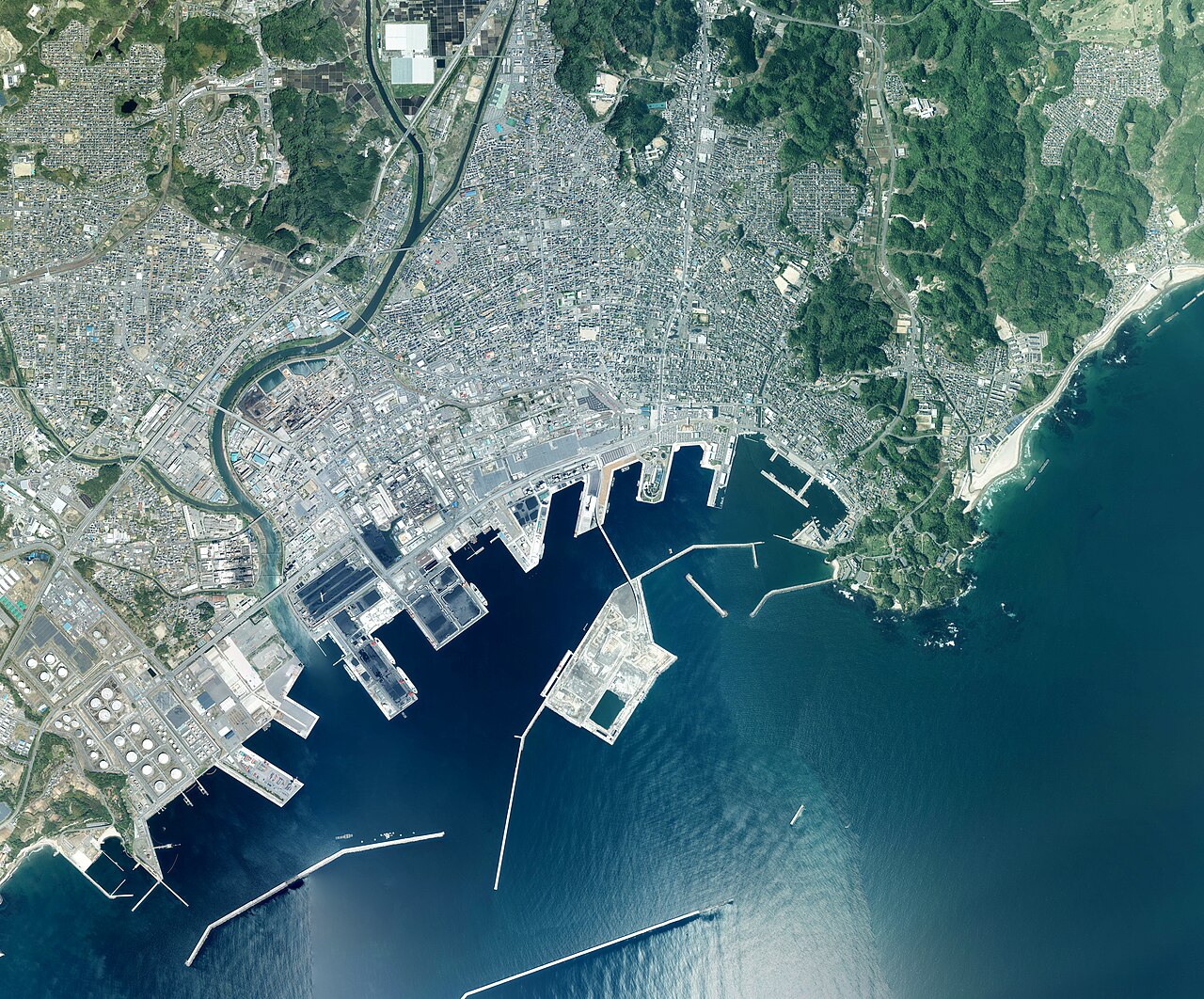
This is the bit La La Mew gets really useful. The complex sits inside Aquamarine Park, a small promontory at the eastern end of Onahama port, and three of Iwaki’s main attractions are within walking distance.
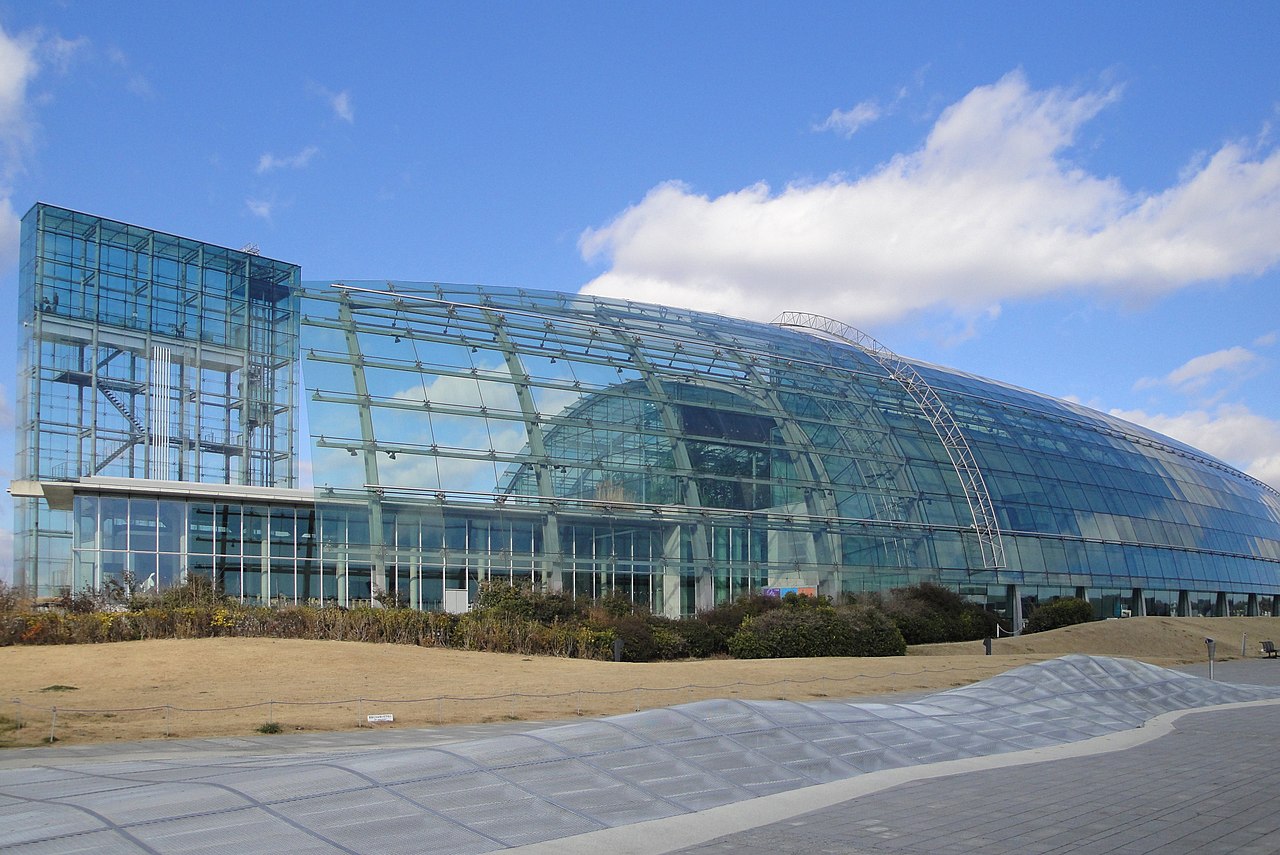
Aquamarine Fukushima is five minutes’ walk along the boardwalk. ¥1,850 adult / ¥900 school-age, open 9:00-17:30 (16:30 in winter). The standout exhibit is the Shiome no Umi (“sea of currents”) tank — a 2,050-tonne triangular setup where Pacific tuna and sardines meet at the literal Kuroshio/Oyashio boundary line. It’s one of the better aquariums in Japan and the official tourism board has a decent overview if you want pre-visit reading.
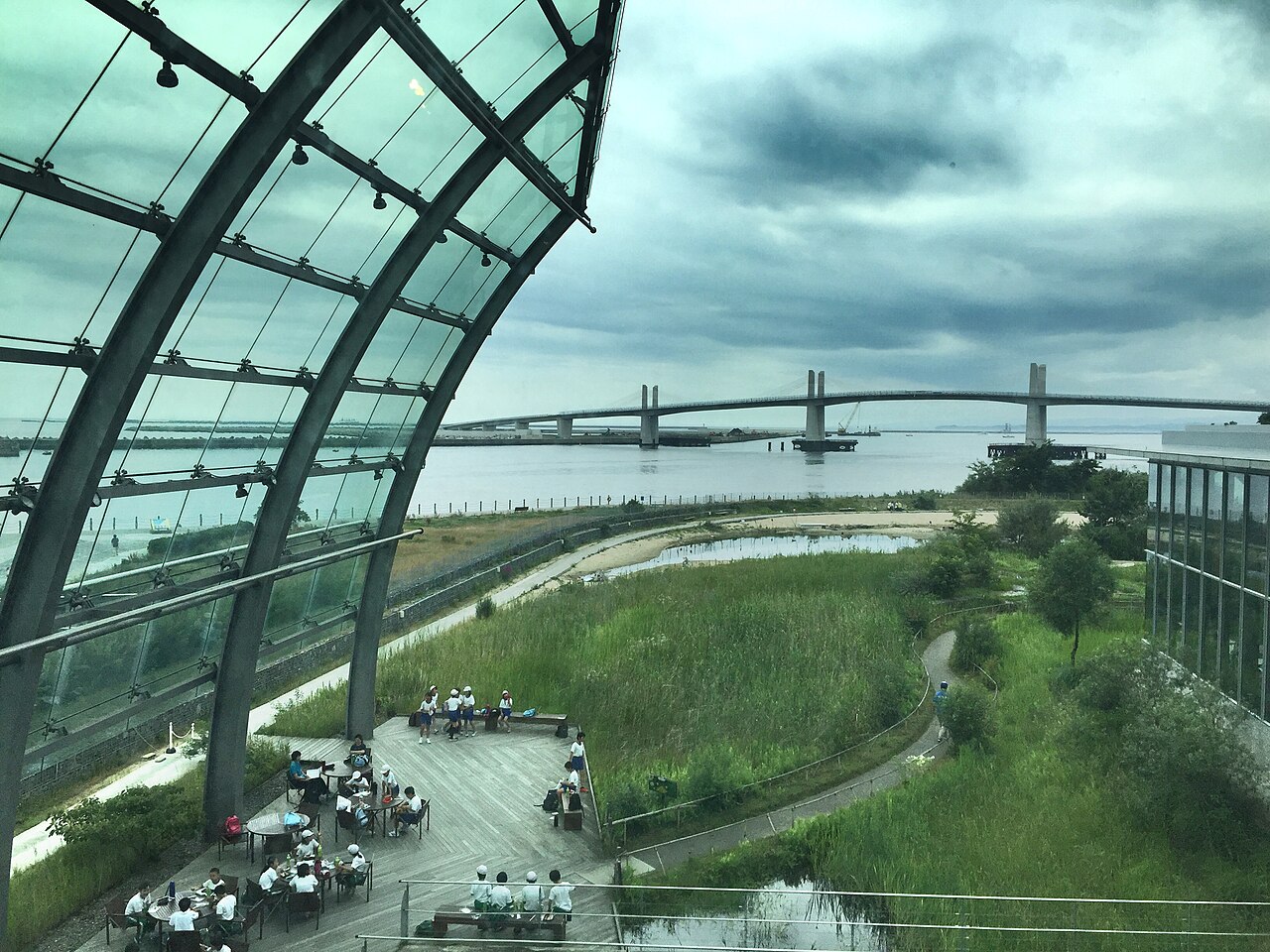
Onahama Marine Bridge arches across the port entrance just to the south. You can walk a section of it from the Aquamarine Park side for the postcard view back across the harbour — the photo angle that ends up on most of the prefectural tourism material. Free, no opening hours.
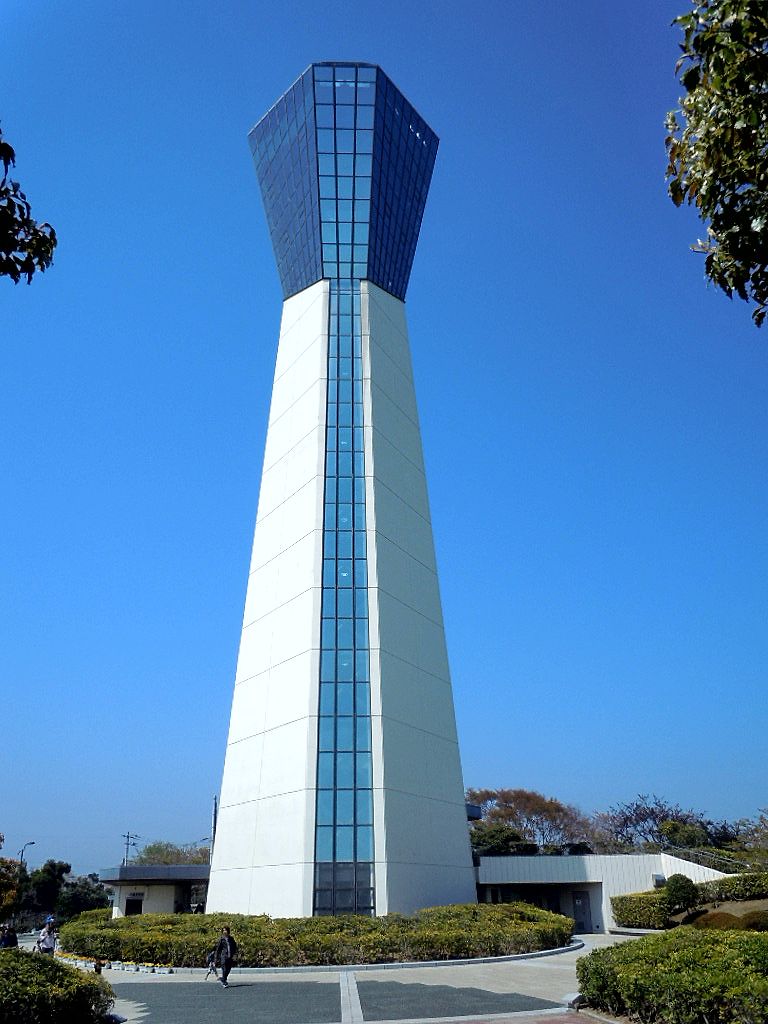
Iwaki Marine Tower and Misaki Park are two kilometres east on the headland — too far to walk comfortably, but a five-minute drive or a short bus ride. The tower (¥330) is a 60-metre observation deck overlooking the whole port and the Pacific. Misaki Park itself is the local kids-and-cherry-blossoms spot, with a long roller slide that adults are not technically banned from using.
Getting there from Tokyo
Iwaki is the easternmost city of Tohoku and the northernmost city you can reasonably reach from Tokyo as a same-day trip. There are two ways:
By train (recommended): The Hitachi limited express on the JR Joban Line runs from Tokyo Ueno or Shinagawa direct to Iwaki Station in about 2 hr 15 min (¥6,820 with reserved seat, fully covered by JR East Pass). From Iwaki Station, transfer to the local Joban Line one stop south to Izumi Station (15 min, ¥200), then take the Shin-Joban bus toward Onahama for 15 minutes to the Onahama Annaijo stop. The buses run roughly every 20 minutes during the day; the JR-published timetable is in JR East’s English route planner.
By car: 2 hr 30 min from central Tokyo via the Joban Expressway — exit at Iwaki-Yumoto IC, then 20 minutes on Route 6 east to Onahama. The 430-space free car park is the easier option if you have wheels, and you can combine the trip with a stop at Iwaki Yumoto Onsen (one of Japan’s three oldest hot-spring towns, 10 minutes from the IC) on the way in or out.
Where to stay
Most Tokyo-based visitors do La La Mew as a long day trip and head back the same evening on the last Hitachi (around 21:00). If you want to stay over and combine it with the wider Iwaki coast — Yumoto Onsen, Shiramizu Amidado temple, Misaki Park’s spring cherry blossom — the Onahama district itself has a small cluster of business hotels within walking distance of the port.
The closest options are the Hotel Crown Hills Onahama (13 min walk to Aquamarine Park) and Hotel Onahama Hills (18 min walk, with bicycles for guests). The Onahama Ocean Hotel & Golf Club is a more polished four-star with sea-view rooms but it’s a 15-minute drive out of town. Booking.com lists the full Onahama-district inventory here — usually under twenty hotels, and prices are a long way below Tokyo equivalents.
Worth knowing: if you prefer ryokan and onsen over business hotels, base yourself at Iwaki Yumoto Onsen (10 minutes by train from Iwaki Station on the Joban Line) instead. You give up the walk-to-port convenience but gain a working hot-spring town with century-old bathhouses.
For the wider region, La La Mew also makes sense as a coastal stop on a longer Tohoku itinerary — combine it with the rest of the Fukushima coast, push north to the seabird colonies and Shimokita Peninsula in Aomori, or head inland for the literary museums and craft towns of Iwate. The Joban Line runs the full length of the eastern Tohoku coast.
Honest take: is it worth it?
If you’re already going to Aquamarine Fukushima — yes, absolutely, you should not miss it. The two are designed as a pair and the food at La La Mew is significantly better than the food inside the aquarium. Buy from the market, eat at the BBQ Banya, walk five minutes to the aquarium, walk back for the Mew-seum and a coffee on the upstairs terrace. That’s a full day for two people for under ¥10,000 including admission and lunch, and it’s one of the more honest day trips you can do from Tokyo.
If you’re not going to Aquamarine — La La Mew alone is probably 90 minutes of your time. Worth it if you’re already in Iwaki, not really worth a special trip on its own. The fish market is excellent but it isn’t that different from the smaller market at Tsukiji’s outer area, and Tsukiji is a lot more famous and a lot easier to reach.
The case for La La Mew really is the bundle: the Joban-mono catch, the Aquamarine aquarium, the recovery story, and the slightly off-the-tourist-map feeling that you get standing on a working Pacific port that came back from a 2011 you’ve only ever seen on the news.
FAQ
Is Iwaki La La Mew open every day?
Yes — the complex is open daily, 9:00-18:00, with restaurants opening at 10:00. The official site lists very occasional closure days for typhoons or maintenance; check lalamew.jp/topics if you’re going midweek in low season.
Is the seafood actually safe to eat after Fukushima?
Every fish sold at La La Mew has been screened for radioactive caesium since 2012 — the test results are posted on a public board near the entrance and have been below detection limits for years. The Joban-mono catch is supplied to the Tokyo central wholesale market and to most of the major Tokyo sushi chains. If you’re nervous, the Mew-seum upstairs explains the testing programme in plain language.
How long do you need at La La Mew?
Around 90 minutes if you’re just browsing the market and grabbing a kaisendon upstairs. Half a day if you do the BBQ Banya properly and the Mew-seum exhibition. Combined with Aquamarine Fukushima next door, it’s a comfortable full day.
Can I get there without a car?
Yes. From Tokyo: Hitachi limited express to Iwaki Station (2 hr 15 min), local train one stop south to Izumi Station (15 min), then Shin-Joban bus toward Onahama for 15 minutes to the Onahama Annaijo stop. Total around 3 hours, all on JR East Pass / Tokyo-Iwaki area pass coverage.
Is there an English menu?
The market itself is mostly Japanese-only signage (with prices in clear numerals), but most upstairs restaurants have either an English menu or photo menus that are easy to point at. Staff at the Mew-seum and the larger souvenir stores speak some English. The BBQ Banya is run mostly by gesture and laughter and works fine without language.
Is it good for kids?
Yes — the Mew Mew indoor play zone keeps under-10s occupied for an hour or two (¥600/hour or ¥1,000 unlimited), the fish market is genuinely interesting at child height, and the Aquamarine aquarium five minutes away is an easy combine. Avoid Saturday mornings in school holidays if you want any kind of quiet — the play zone gets overwhelmed.