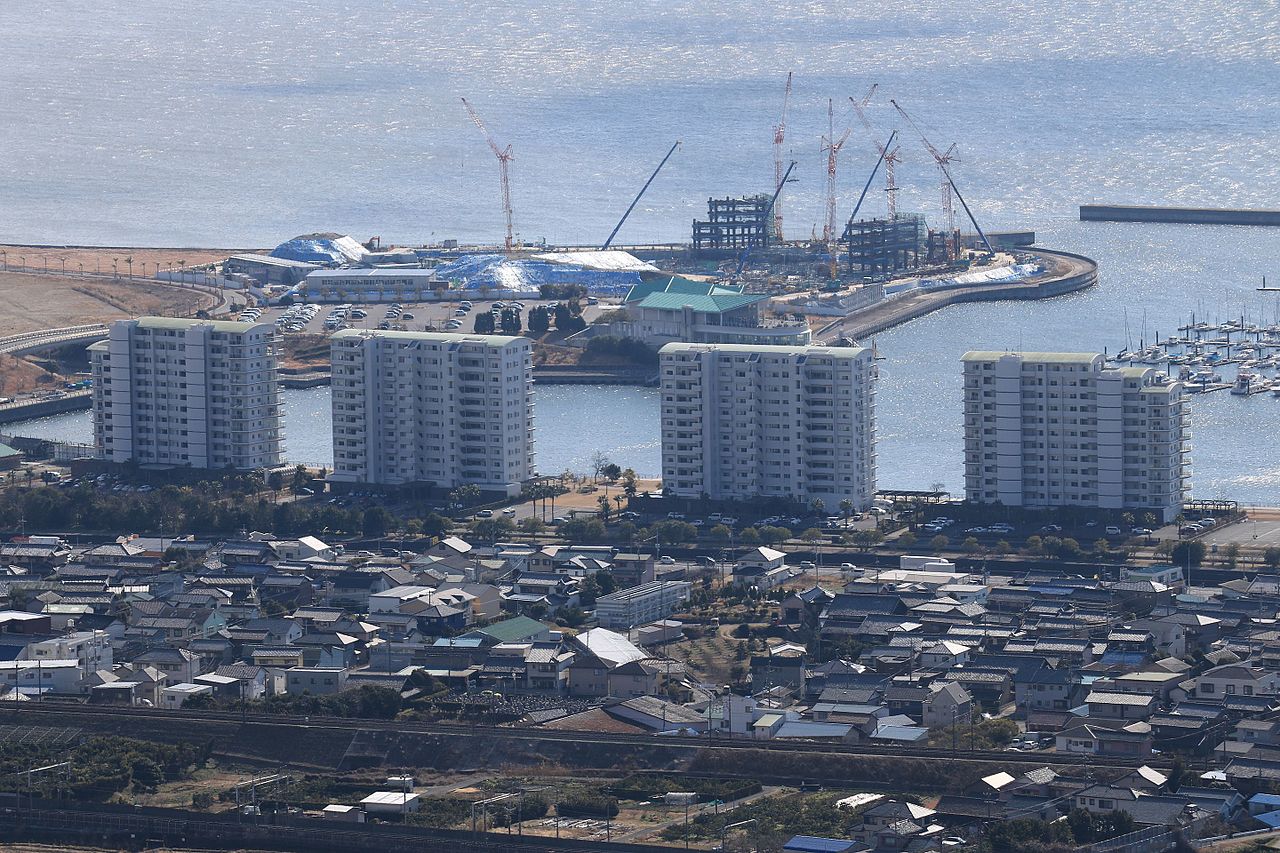
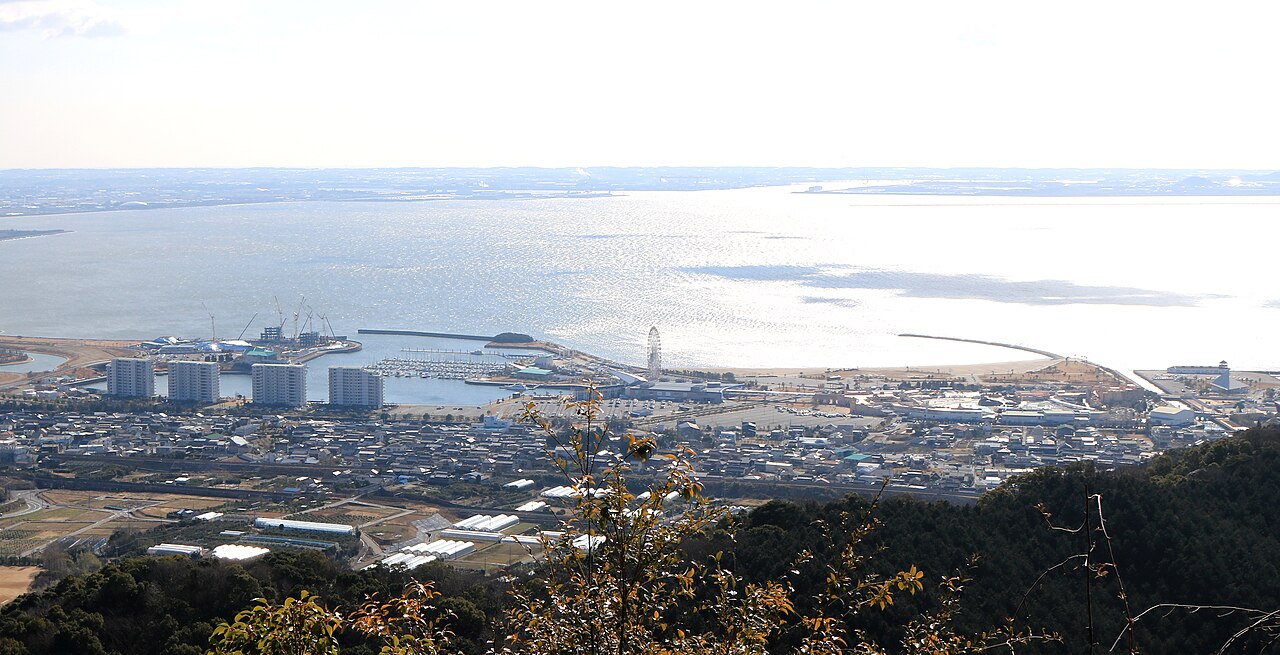
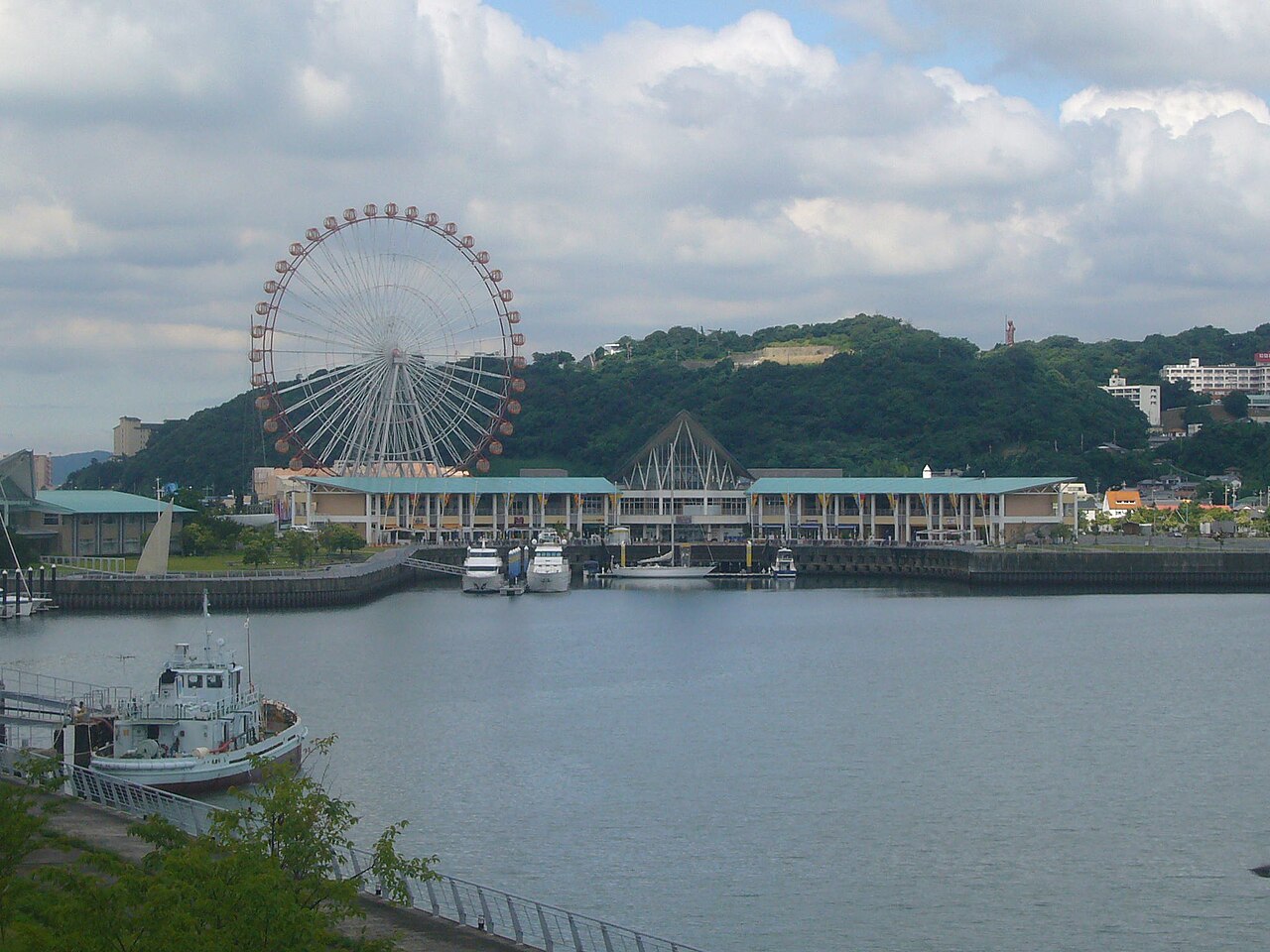
Laguna Gamagori (ラグーナ蒲郡, Ragūna Gamagōri) — more recently rebranded Laguna Ten Bosch (ラグーナテンボス) — is a medium-sized marine resort complex on the Mikawa Bay coast of Aichi Prefecture, 30 kilometres southeast of Nagoya. What’s there: an ocean-themed amusement park with 23 rides including four roller coasters and a 65-metre Ferris wheel, a separate summer-only water park with a 230-metre lazy river, a shopping and restaurant complex modelled loosely on a Mediterranean harbour, a fresh-fish market where the Gamagori fishing fleet lands its day’s catch, a marina full of working charter boats, and — importantly for the specific kind of family holiday the resort does well — a sister-property connection to the Huis Ten Bosch theme park in Nagasaki that shares its parent company and a lot of its aesthetic.
In This Article
- Quick facts
- What the resort actually is (and what it used to be)
- Lagunasia: the theme park
- The water park and beach
- Festival Market: shops, food, fish
- Hotels and the Thalassa spa
- Getting there and combining with other Aichi sights
- Combining with other Nagoya-area destinations
- Where to stay if you’re not using the on-site hotel
- Is Laguna Gamagori worth the trip?
- FAQ
- Is the water park open year-round?
- Is there English support at the park?
- How long do I need?
- Can I bring food and drink?
- Is there a fast-pass system?
- What’s the sunset light like for photography?
- Is the fish market genuinely good?
- What about Viator or Klook tours?
Laguna is not Disneyland or Universal Studios. It’s not even Nagashima Spa Land, the bigger Mie-prefecture coaster park 40 minutes north. But for families with small children based in Nagoya, for couples wanting a low-intensity beach-and-rides day out, or for travellers specifically interested in Japanese theme-park design that isn’t licensed-IP-dependent, it’s a solid half-day to full-day stop. Less than an hour from central Nagoya on a direct train + shuttle, all-inclusive passport ¥3,990, you can reasonably combine Laguna with Nagoya city sightseeing on the same trip.
Quick facts
- Where: Laguna Ten Bosch, 2-3-1 Kaiyo-cho, Gamagori, Aichi 443-0014. Mikawa Bay coast, 30km SE of central Nagoya.
- Getting there: From Nagoya: JR Tokaido Line to Gamagori Station (50 min, ¥990), then free shuttle bus (15 min) to the resort. By car: Toukai-Kanjo Expressway, Gamagori IC, 15 min on local roads.
- Hours: Lagunasia theme park 10:00-21:00 most days (varies by season). Water park July-September only 10:00-17:00. Festival Market mall 10:00-20:00. Restaurants 11:00-22:00.
- Cost: Lagunasia all-attraction Passport ¥3,990 adult / ¥2,890 elementary / ¥1,890 under-5. Entry-only ¥2,250 (individual ride tickets extra). Water park ¥3,000 / ¥2,000 in summer. Festival Market free entry. Parking ¥500/day.
- When to go: Weekdays outside Japanese school holidays. Peak crush is Golden Week (late April), Obon (mid-August), and all summer Saturdays when the water park is operating.
- Official: Laguna Ten Bosch official (Japanese, with English subpages), Aichi prefecture tourism.
What the resort actually is (and what it used to be)
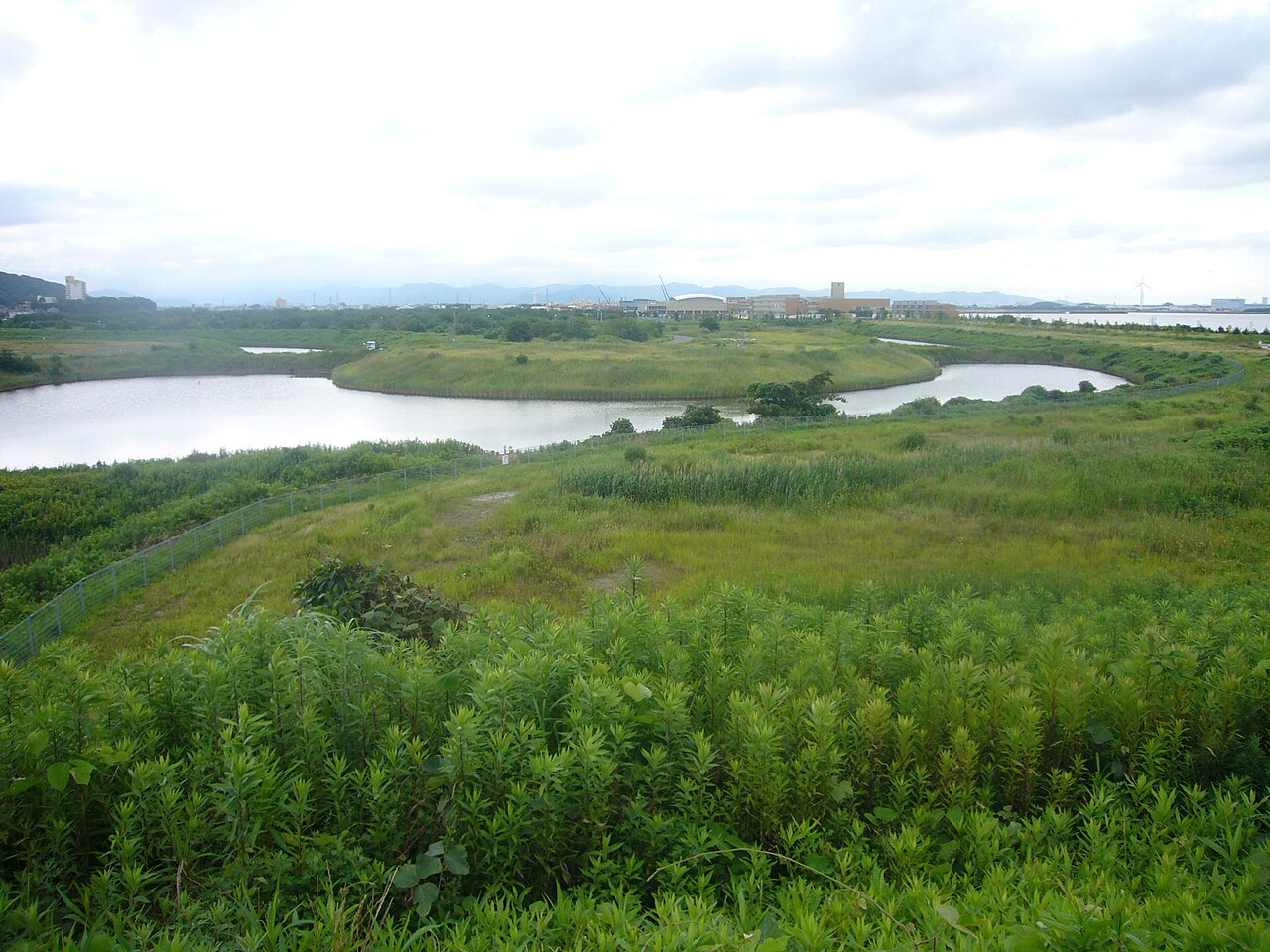
A little history because it explains the aesthetic. Laguna Gamagori opened in 2002 as a theme-park-and-shopping development by the Toyota-affiliated Mitsubishi real estate arm on reclaimed Mikawa Bay coastal land. The initial concept was “ocean resort combining theme park, marina, outlet mall, and onsen hotel” — a mid-2000s Japanese take on the all-inclusive leisure-resort model.
Business was mixed through the 2000s and early 2010s; by 2014 the original operator had divested and the park was bought by H.I.S. Holdings, the travel-agency-and-leisure conglomerate that also owns Huis Ten Bosch in Nagasaki. H.I.S. rebranded the property as Laguna Ten Bosch in 2015, sharing the Dutch-harbour-town theming with the Nagasaki sister park. You’ll see some deliberately shared elements — the windmills, the canal architecture, the mascot character “Hapira-chan.”
The current complex has four main components:
- Lagunasia — the theme park, year-round.
- Laguna Beach / Water Park — summer only (early July to early September).
- Festival Market — shopping, restaurants, the fish market. Year-round.
- Laguna Resort Spa Thalassa — the onsen-and-hotel component.
Lagunasia: the theme park
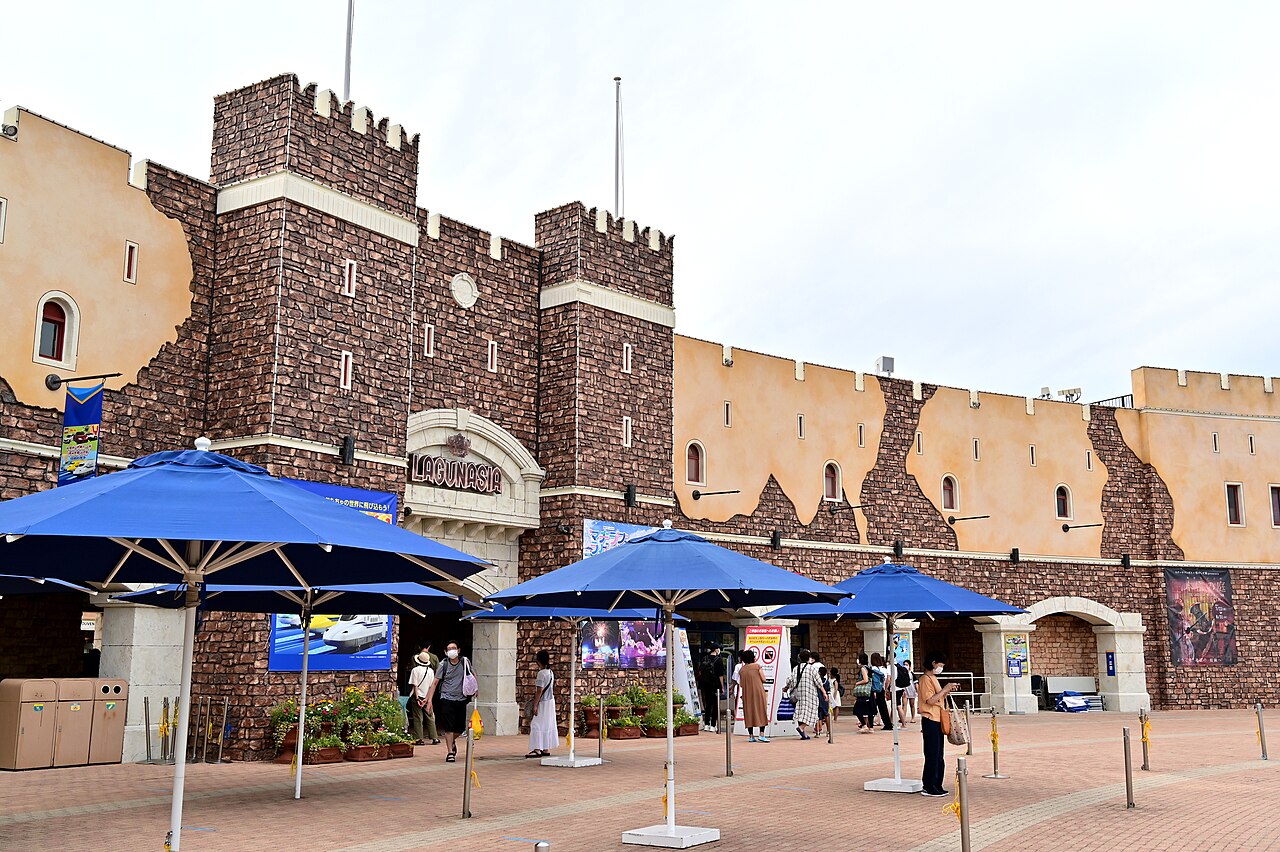
Lagunasia (ラグナシア) is the core attraction. The park’s theme is the “Silk Road of the Sea” — a loose Mediterranean-port aesthetic that gets used as justification for the architectural style, the ride names, and the general atmosphere. It’s not rigorously themed in the way Disney parks are (you won’t be fully immersed in the period), but the visual consistency is better than most Japanese regional parks.
The rides worth doing:
Aqua Wind — the park’s signature coaster, a 1999 Maurer Söhne compact steel coaster that does 54km/h across a 590m layout with a main drop over the Mikawa Bay waterfront. Not a thrill machine by Nagashima standards but a solid family coaster. Queue rarely over 20 minutes.
Legend of Labyrinth — a 2017-opened interactive shooting dark ride, part of a newer wave of Lagunasia investment. 5-minute ride, shooting-based scoring. Popular with families.
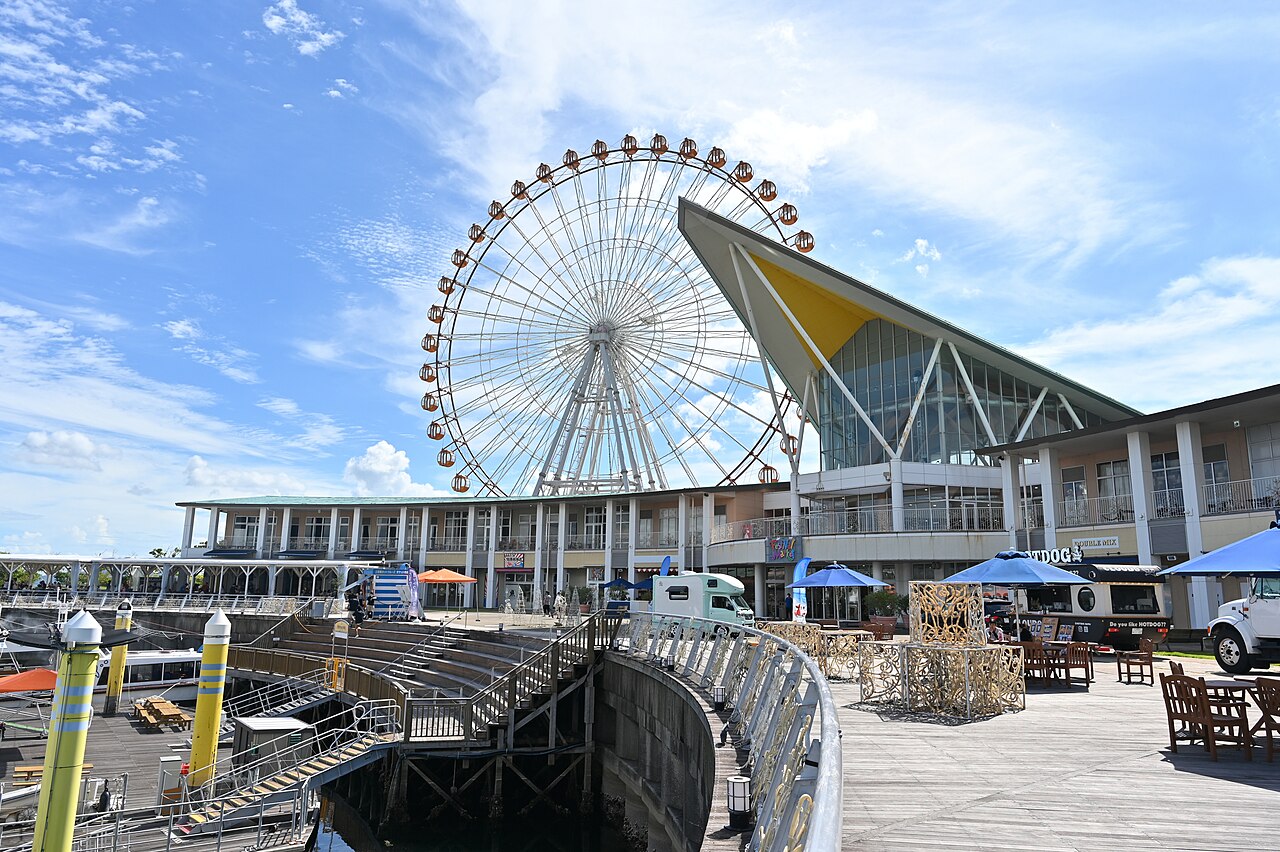
65-metre Ferris Wheel — the park’s landmark. Views across Mikawa Bay toward the Atsumi Peninsula on a clear day. ¥600 on top of standard entry, single cabin holds up to 6.
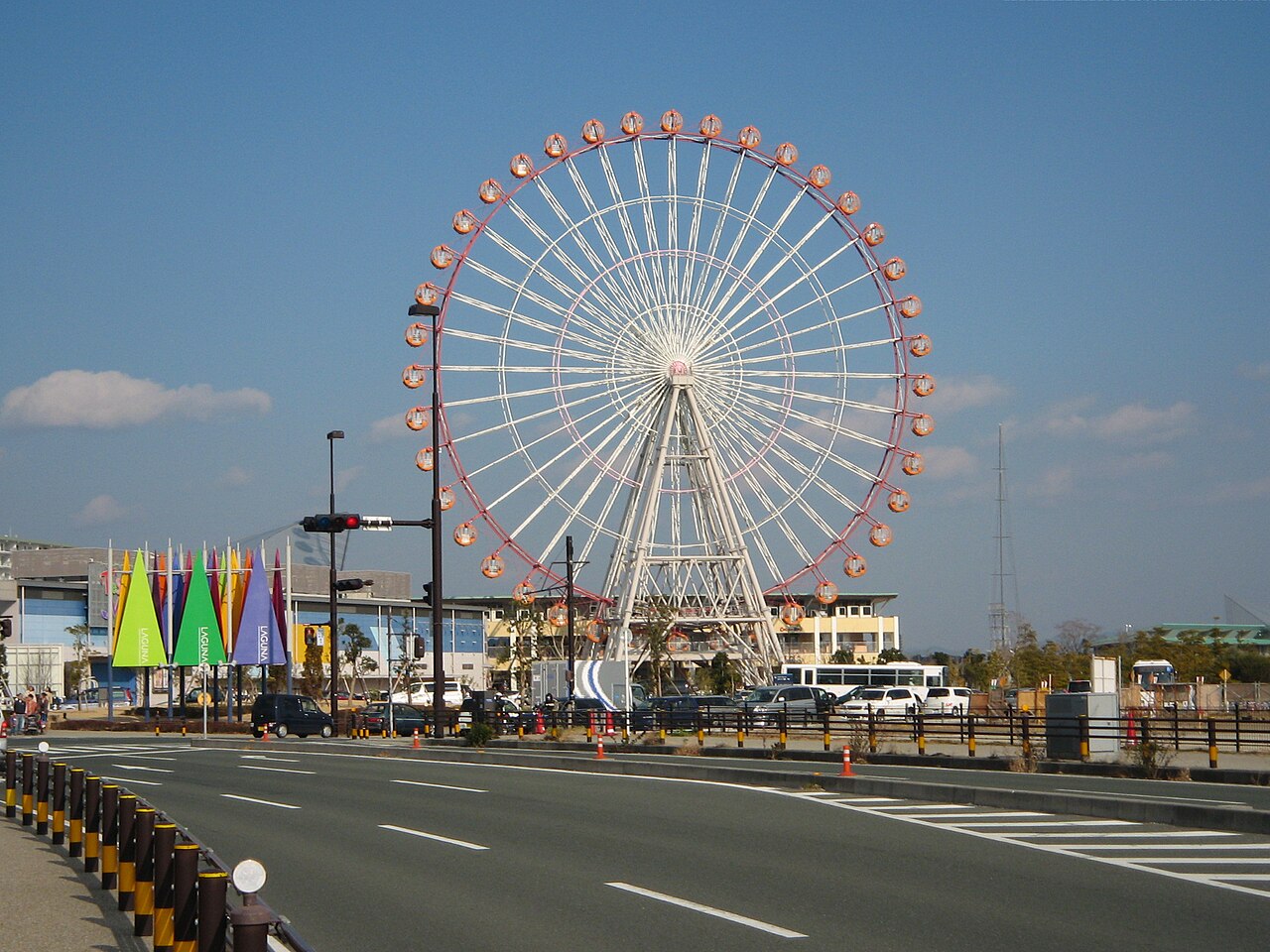
Water splash rides and kids’ attractions — the park has about 15 smaller rides in the family and kiddie categories. Not particularly remarkable individually but collectively enough to keep young children occupied for 4-5 hours.
Monster shooting games — a cluster of interactive arcade-style attractions, particularly popular with Japanese teens. Individual ticket purchases rather than Passport-included.
The water park and beach
The Lagunasia Pool (summer only, early July – early September) is the pool and water-park component, occupying a fenced-off section of the complex on the Mikawa Bay shore. Features:
- Wave pool — about 25m wide, waves cycled every 20 minutes.
- Lazy river — 230m circular circuit, tube-rental included with entry.
- Two long slides — 40m and 60m, combined 100m total. Moderate thrill level; not extreme.
- Jacuzzi spring — a small thermal pool area with heated saltwater.
- Kids’ pool — zero-entry, separate section for under-6s.
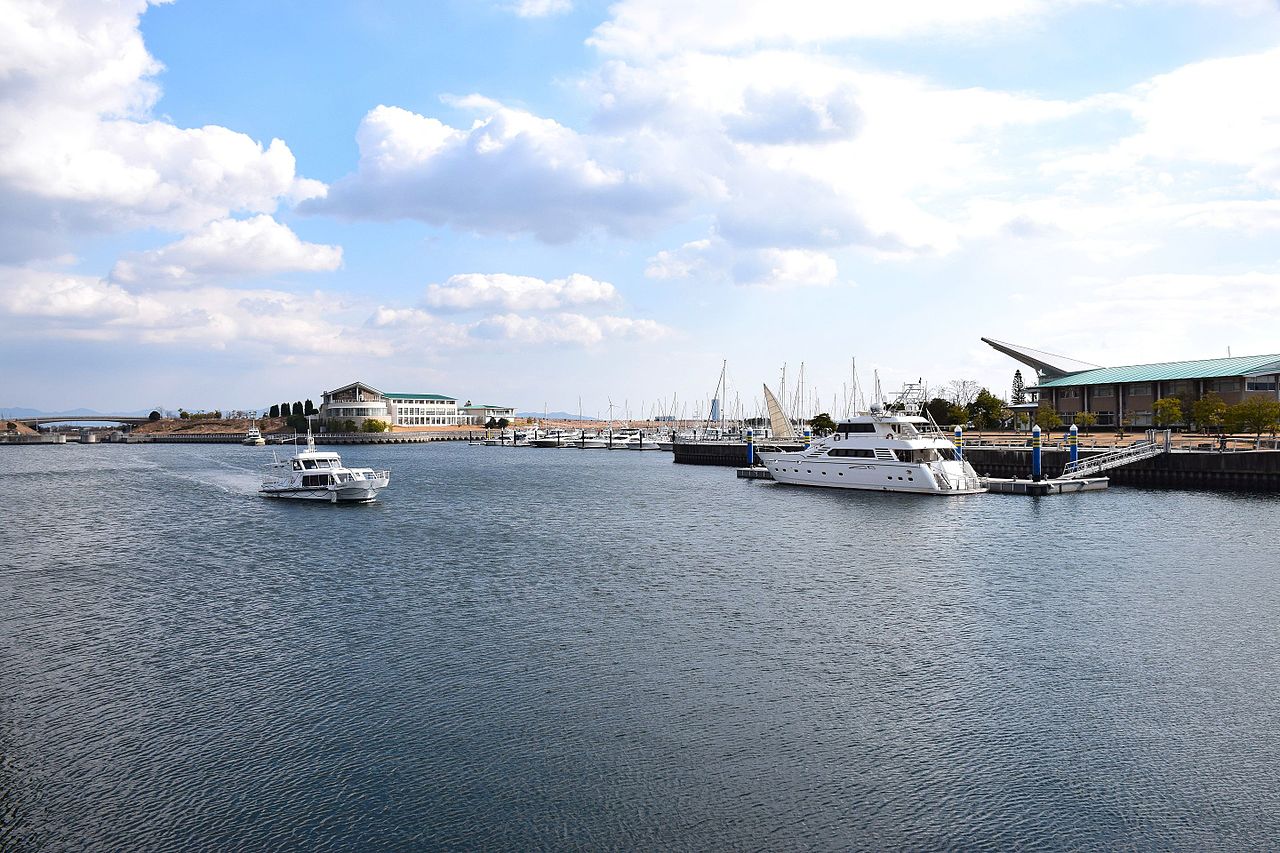
- Access to Laguna Beach — a short stretch of swimmable Mikawa Bay coast within the resort grounds.
Summer water-park pricing runs ¥3,000 adult, ¥2,000 elementary separate from the Lagunasia theme park ticket. A combined Passport including both ¥4,990 — the right move if you’re going in July or August.
Festival Market: shops, food, fish
The Festival Market (フェスティバルマーケット) is the shopping-and-dining complex attached to the theme park, open to the public free of charge (no theme-park ticket required). It has three main sections:
Shopping area — about 40 shops, mostly mid-range Japanese brands (Uniqlo, Mujirushi, a few outdoor-goods specialists), plus a handful of souvenir stores with Aichi prefectural specialities. Not a destination shopping trip but adequate for a rainy-afternoon browse.
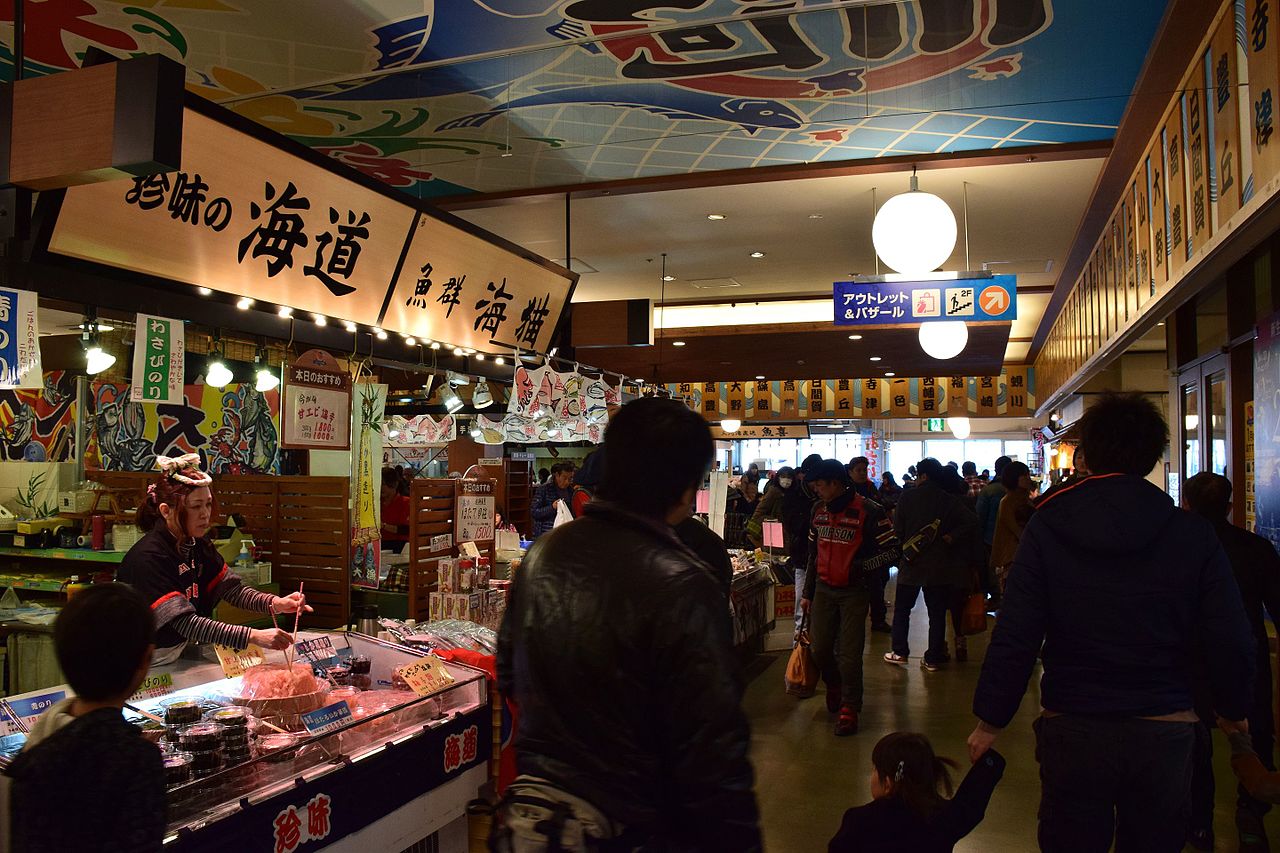
Seaside Market — a fresh-fish market where the Gamagori fishing fleet lands some of its day’s catch. Buy sashimi-grade fish directly at the counter (¥1,000-3,000 per portion for a small family-sized serve) or eat at one of the adjacent restaurants that cook the fish for you on the spot. Standout local catches: Mikawa Bay sea bream, hamaguri (large clam), anchovy, and the specific local delicacy shako (mantis shrimp) in late spring.
Restaurants — about 20 establishments, ranging from standard theme-park fare (ramen, curry, ice cream) to sit-down seafood restaurants using Festival Market-sourced fish. The best sit-down option is the Seaside Grill, which does a reasonable Mikawa Bay bouillabaisse for about ¥2,800.
Hotels and the Thalassa spa
The resort has one on-site hotel, the Laguna Resort Spa Thalassa, with about 180 rooms. Rates run ¥18,000-32,000 for a family four-person room, often including theme-park Passports. The “Thalassa” branding refers to the hotel’s seawater-based spa programme — a Mediterranean-influenced balneotherapy offering with heated seawater pools, seaweed wraps, and saltwater inhalation therapy. ¥3,500 day-use access separate from hotel rates.
For cheaper options, central Gamagori City (15 minutes by shuttle back to the station) has business hotels at ¥7,000-10,000 per night. For a proper mid-range stay, Toyohashi (20 minutes east by train) has broader hotel inventory including the Comfort Hotel and Toyoko Inn options. Booking.com’s Gamagori-area listings cover the full spread.
Getting there and combining with other Aichi sights
From Nagoya: JR Tokaido Line limited express to Gamagori Station, 50 minutes, ¥990. Free shuttle bus from Gamagori Station to Laguna Ten Bosch, 15 minutes, runs roughly every 20 minutes during park hours.
From Tokyo: Tokaido Shinkansen Hikari to Toyohashi Station (90 min, ¥9,380), then JR local train west to Gamagori (15 min, ¥330). About 2 hours total — day trip from Tokyo is physically possible but tight.
From Osaka: Tokaido Shinkansen to Toyohashi (75 min Hikari, ¥8,740), same transfer to Gamagori. 90 minutes total each way.
By car: Toukai-Kanjo Expressway / Higashi-Meihan Expressway routes from Nagoya or Toyohashi, exit at Gamagori IC, 15 minutes to the resort. Free parking for 5,000 cars.
Combining with other Nagoya-area destinations
For a two-day Aichi itinerary, Laguna Gamagori fits cleanly as one half-day:
- Morning: Nagoya Castle + Atsuta Shrine.
- Lunch: Osu Kannon and the flea markets, miso-katsu in the Osu district.
- Afternoon: Train to Gamagori, Laguna theme park for 4 hours.
- Evening: Dinner at the Festival Market, return to Nagoya.
Or pair with the bigger regional day-trip attractions:
- Nagashima Spa Land (40 min west) — the bigger coaster park. Do Nagashima for serious coaster enthusiasts; Laguna for families with younger kids.
- Toba Pearl Island (90 min south-west into Mie) — pearl-diving ama demonstrations, Mikimoto Pearl Museum.
- Atsumi Peninsula (90 min east) — small fishing villages, beaches, sand dunes at Irago.
- Shima National Park / Ago Bay (2 hours south-west) — the broader Mie coast.
Where to stay if you’re not using the on-site hotel
Nagoya is the logical broad base — commutable to Laguna in under an hour. Central Nagoya hotels ¥8,000-18,000 per night with the full range of dining and cultural options.
For a more local overnight, Gamagori City itself has a handful of small business hotels plus the Gamagori Onsen cluster (a small hot-spring area on the hills above the town) with 5-6 traditional ryokan at ¥15,000-25,000 half-board. Good if you want the full “day at Laguna + traditional onsen evening” combination.
Is Laguna Gamagori worth the trip?
For families with kids aged 4-10 — yes, unambiguously. The ride mix, the water park in summer, and the relatively short queues make it one of the better regional theme parks in central Japan. ¥3,990 Passport pricing is meaningfully cheaper than Nagashima or Universal Studios Osaka.
For serious coaster enthusiasts — skip. Go to Nagashima Spa Land instead — 40 minutes away, incomparably better coaster lineup.
For couples / young adults — depends on your appetite for mid-scale theme parks. The Ferris wheel at sunset and the seafood at Festival Market make a reasonable light evening; the theme park itself is geared more toward families than date-night crowds.
For first-time Japan visitors — skip unless you’re specifically based in Nagoya and want an easy half-day. Most travellers with limited time get more value from Kyoto temples or Osaka street food.
For travellers specifically interested in Japanese domestic-tourism theme-park design — yes, as a comparative case study. Laguna is one of the better mid-sized Japanese resort parks, and comparing it with Huis Ten Bosch (the sister site) and with Nagashima is a genuinely interesting day for theme-park enthusiasts.
FAQ
Is the water park open year-round?
No. The water park operates only from early July to early September each year. The theme park (Lagunasia) and Festival Market are year-round. Off-season visitors miss the pool but get substantially smaller crowds.
Is there English support at the park?
Basic English signage and a printed English park map (free at the entrance). Ride safety instructions are bilingual, menus at the main restaurants have English, and a small number of staff speak functional English. Compare Disneyland-level: Laguna is much lighter on English but adequate for a visit.
How long do I need?
Minimum 4 hours for a theme-park-only visit (enough to ride the headliners, eat lunch, and do the Ferris wheel). Full day (6-8 hours) if you’re doing the water park in summer or want to fit in the Festival Market. Two days only if you’re also staying at the on-site hotel for the spa experience.
Can I bring food and drink?
Officially no; in practice bag checks are minimal. In-park restaurants and food stalls are reasonable (¥600-1,200 per meal) so not worth the hassle of packing food.
Is there a fast-pass system?
No. Queues are managed first-come-first-served. The park’s capacity generally handles weekday crowds without long waits; Saturdays and school holidays can see 45-60 minute queues for the Aqua Wind coaster.
What’s the sunset light like for photography?
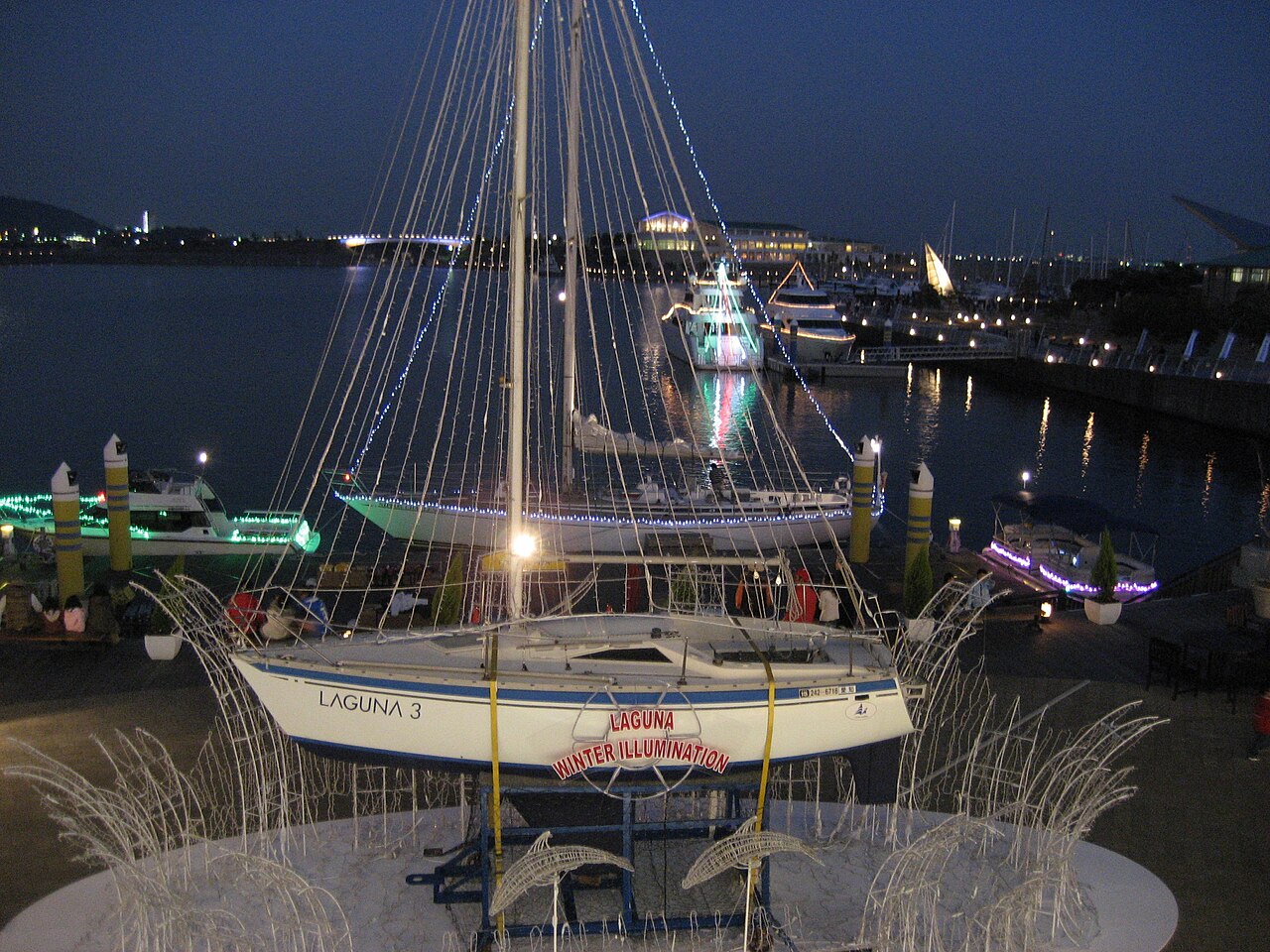
Good. The complex faces west into Mikawa Bay, so sunset sea-views from the Ferris wheel and the resort promenade are clean — typically 17:30-18:00 in winter, 19:00-19:30 in summer. Bring a camera with a decent low-light sensor if you want the Ferris-wheel-over-sunset frame that most visitors photograph.
Is the fish market genuinely good?
Yes, surprisingly. The Seaside Market fish counter operates on a working-market basis — fish landed by the Gamagori fleet that morning, sold at wholesale-adjacent prices. For a lunchtime sashimi plate at ¥1,500-2,500, it’s the best-value meal in the complex and in most of the Nagoya suburban area.
What about Viator or Klook tours?
Occasional Nagoya-region tours on Klook and Viator include Laguna as a day-trip option, usually bundled with Toyokawa Inari Shrine and local lunch. Pricing around ¥8,000-12,000 per person with bus transfer. Reasonable if you don’t want the train-and-shuttle logistics; otherwise the DIY approach is cheaper and more flexible.