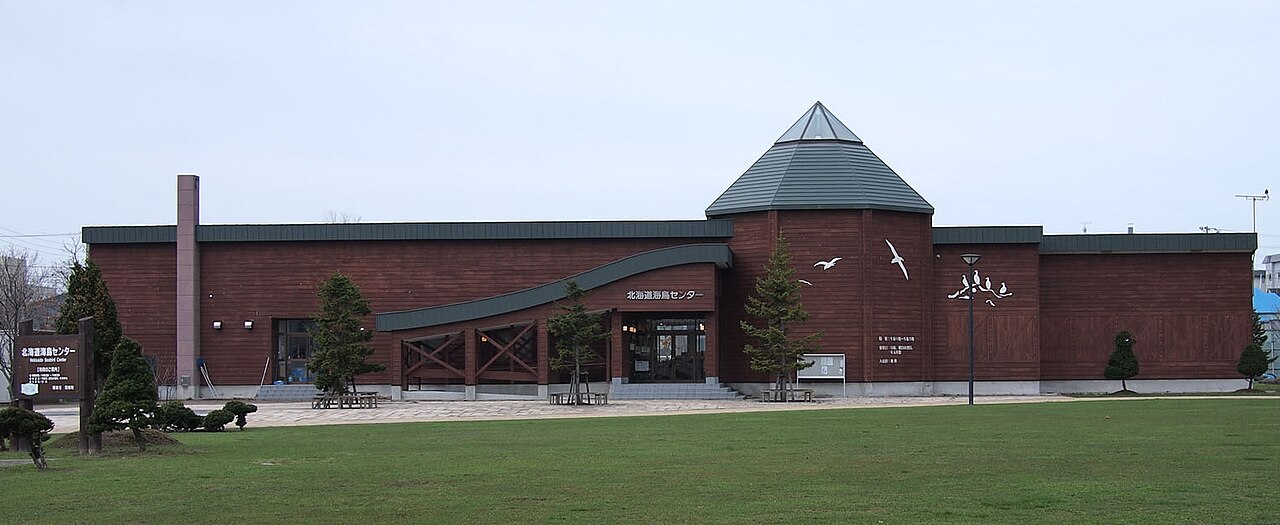
Halfway up the Japan Sea coast of Hokkaido, 200 kilometres north of Sapporo, sits a small fishing town called Haboro (羽幌) with an outsized ornithological footprint. Twenty kilometres offshore, in a cold-water patch where the Tsushima Current hits the continental shelf, two islands — Teuri (天売島) and Yagishiri (焼尻島) — host the largest concentrated seabird breeding colony in Japan. Roughly 800,000 rhinoceros auklets nest on Teuri’s basalt cliffs every spring, along with eight other seabird species including common murres, pelagic cormorants, spectacled guillemots, and black-tailed gulls. Haboro itself is home to the Hokkaido Seabird Center (北海道海鳥センター, Hokkaidō Kaichō Sentā), a Ministry of the Environment research-and-education facility that opened in 1997 as both a visitor centre and the administrative base for the protected-colony monitoring programme on the two offshore islands.
In This Article
- Quick facts
- What the Seabird Center actually is
- Teuri Island: where 800,000 birds live
- Yagishiri Island: the quieter cousin
- Getting there and the ferry schedule
- Getting to Haboro from mainland Japan
- Where to stay
- Is a Teuri / Yagishiri trip worth it?
- FAQ
- Is there English support on the islands?
- When exactly do the birds arrive?
- Are the islands accessible year-round?
- Can I see puffins?
- What’s the fishing industry angle?
- How do I book the guided tours?
- Is the trip suitable for families with kids?
This is deep-travel territory — the kind of place where foreign visitors are measured in the hundreds per year rather than the hundreds of thousands. But for serious birders, nature photographers, and anyone who’s worked through the standard Hokkaido itinerary and wants something few other people will ever see, Teuri and Yagishiri are the kind of destination that rewards the logistical commitment. The two-hour ferry from Haboro is one of the quieter journeys in the Japanese domestic tourism grid.
Quick facts
- Where: Hokkaido Seabird Center, Kita-7-jo, Haboro-cho, Tomamae-gun, Hokkaido 078-4135. Haboro Port is the ferry terminal for Teuri and Yagishiri islands.
- Getting there: By car: 3 hours north from Sapporo via the Do-ou Expressway. By bus: Chuo Bus from Sapporo Station to Haboro, 4 hours, ¥3,500. No rail access.
- Hours: Seabird Center 9:00-17:00 (March-October), 9:00-16:00 (November-February), closed Mondays. Ferry Haboro→Teuri/Yagishiri: 2-3 sailings per day in summer, 1-2 per day in winter.
- Cost: Seabird Center free. Ferry ¥3,040 return to Yagishiri, ¥4,420 return to Teuri. Island accommodation ¥7,000-12,000 per night at minshuku.
- When to go: May-July for peak breeding season. Rhinoceros auklet return to nest at dusk (the headline sighting); breeding activity at the cliffs is all-day April to August. Winter trips are possible but dramatic weather and limited services.
- Official: Hokkaido Seabird Center (Japanese), Haboro town tourism.
What the Seabird Center actually is
The Center is Haboro’s land-based anchor for the seabird tourism. The exhibition hall is compact but genuinely well-designed — the centrepiece is a life-size reconstruction of a Teuri cliff-face breeding environment, with hollow plaster cliffs containing real-scale replica nests, a sound-and-light loop that simulates the dawn-and-dusk colony activity, and bird carvings by Sapporo artist Kumiko Kitao that serve as the display’s principal models. You can learn about the eight species present on Teuri and understand the specific breeding-ecology details that would otherwise require a specialist book.
Secondary exhibits cover:
- The cold-current ecosystem — why this specific patch of Japan Sea coast supports such a large seabird population (answer: the cold Tsushima Branch and the nutrient-rich shelf break combine to produce anomalously productive fisheries).
- Seabird-fisheries conflict — the longline-fishery bycatch problem and how the Ministry of the Environment is working with the Haboro fleet on mitigation techniques.
- Species monitoring — the ongoing population counts, banding data, and climate-change tracking that the Center has accumulated since 1997.
- Bird carvings and wildlife art gallery — Kitao’s wooden bird sculptures, plus rotating exhibits from regional Hokkaido wildlife artists.
Allow 45-60 minutes. English signage is thin but adequate for the main exhibits. The Center’s gift shop has unusually good bird-themed items — field guides, photography books, and Teuri-embroidered T-shirts.
Teuri Island: where 800,000 birds live
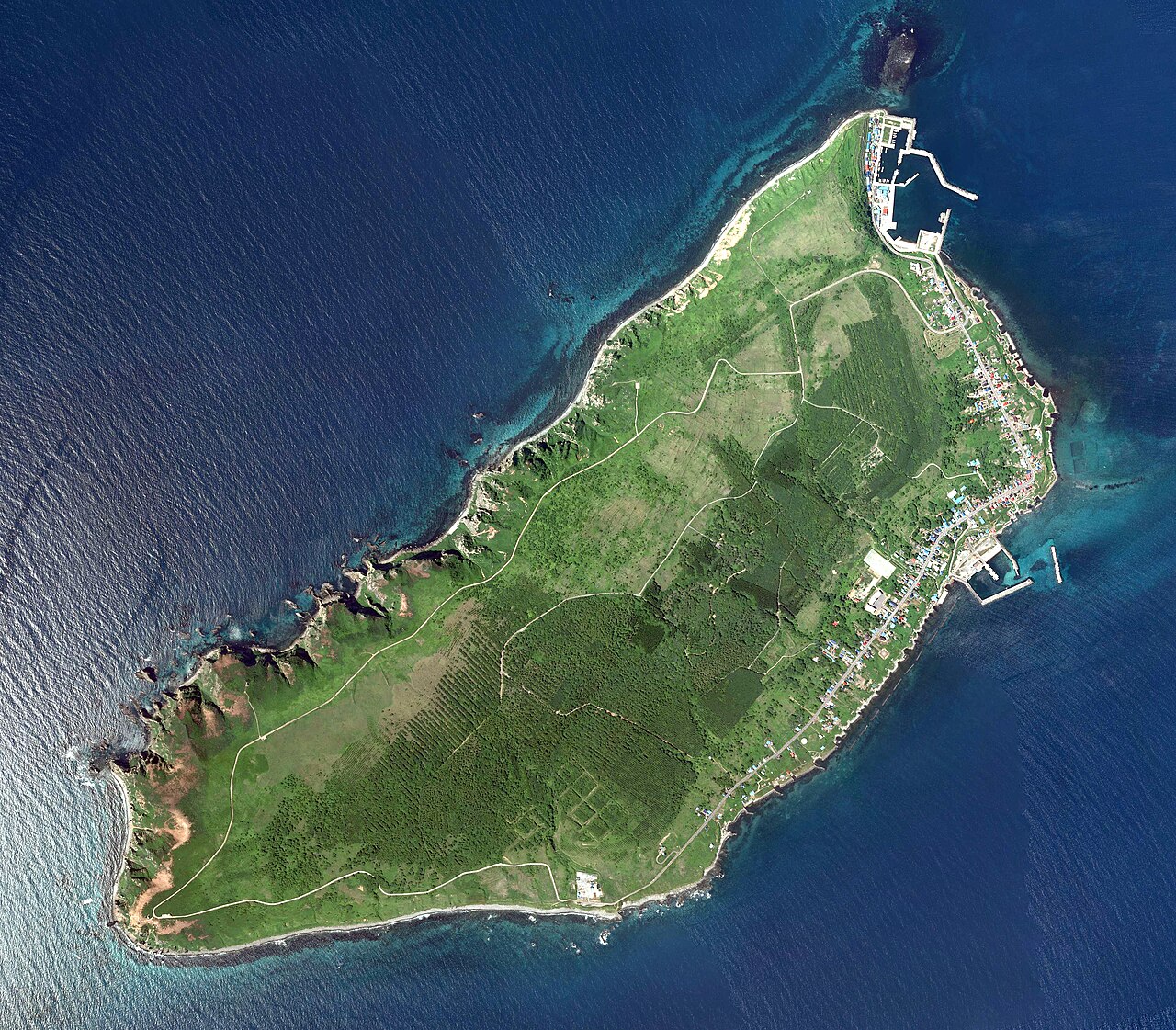
Teuri Island (天売島) is the smaller and more birdwatching-oriented of the two offshore islands. Population around 300, circumference 12km, the northwestern coast a continuous 2km wall of seabird cliffs. The island is accessible by a 90-minute direct ferry from Haboro (3 sailings per day in peak summer, 1 daily in winter) or a shorter ferry via Yagishiri.
The island’s main attractions:
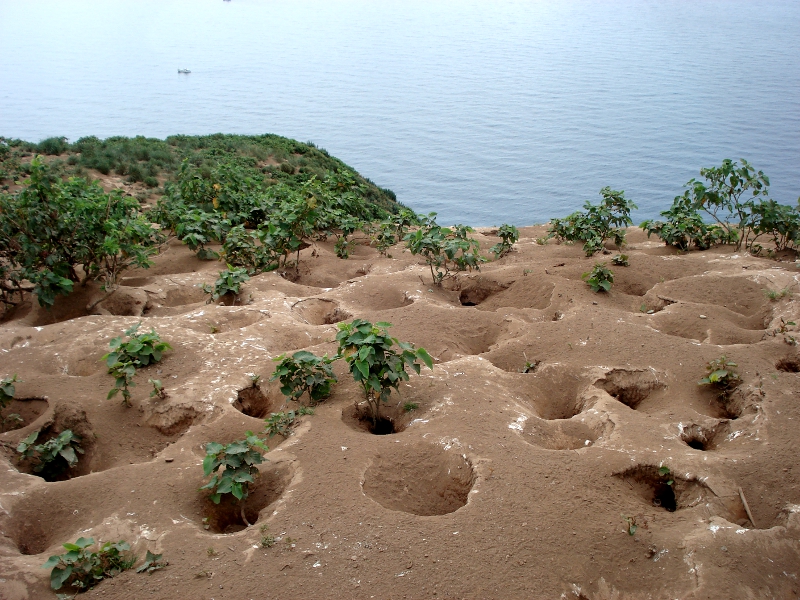
Rhinoceros Auklet breeding cliffs — the main event. About 800,000 utou (Cerorhinca monocerata) nest in burrows dug into the soft cliff-top turf; they spend their days fishing offshore and return at dusk in dense synchronized flocks. The dusk return is one of the more dramatic seabird sights anywhere — a 30-45 minute window where the birds come swarming back in bands of hundreds, navigating to their specific burrow entrances at high speed.
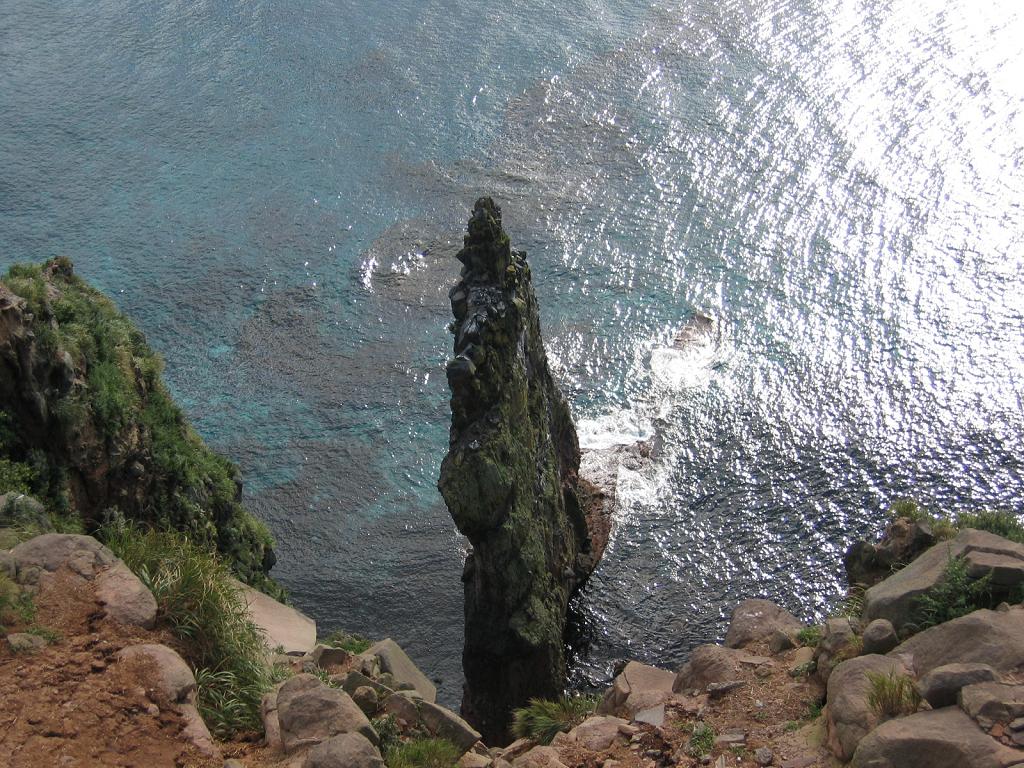
Akaiwa Observatory (赤岩展望台) — the main cliff-top viewpoint for watching the evening auklet return. 15-minute walk from the ferry terminal. The observation platform is unlit intentionally, to avoid disturbing the birds; bring a headlamp with a red filter if you want to navigate after sunset.
Seabird Breeding Ground Guided Tour — the Seabird Center runs this as a bookable programme. 90 minutes, ¥2,000 per person, led by a research-centre volunteer or staff member. Covers the Akaiwa cliff, the common murre colony at the island’s north point, and the spectacled guillemot sea-cave area. Bookable through the Center’s website.
Rhinoceros Auklet Night Guide — the dusk-return experience specifically. 60 minutes, ¥1,500 per person. You’d do this tour rather than go alone — the guide knows where the densest arrival points are and how to avoid disturbing the birds.
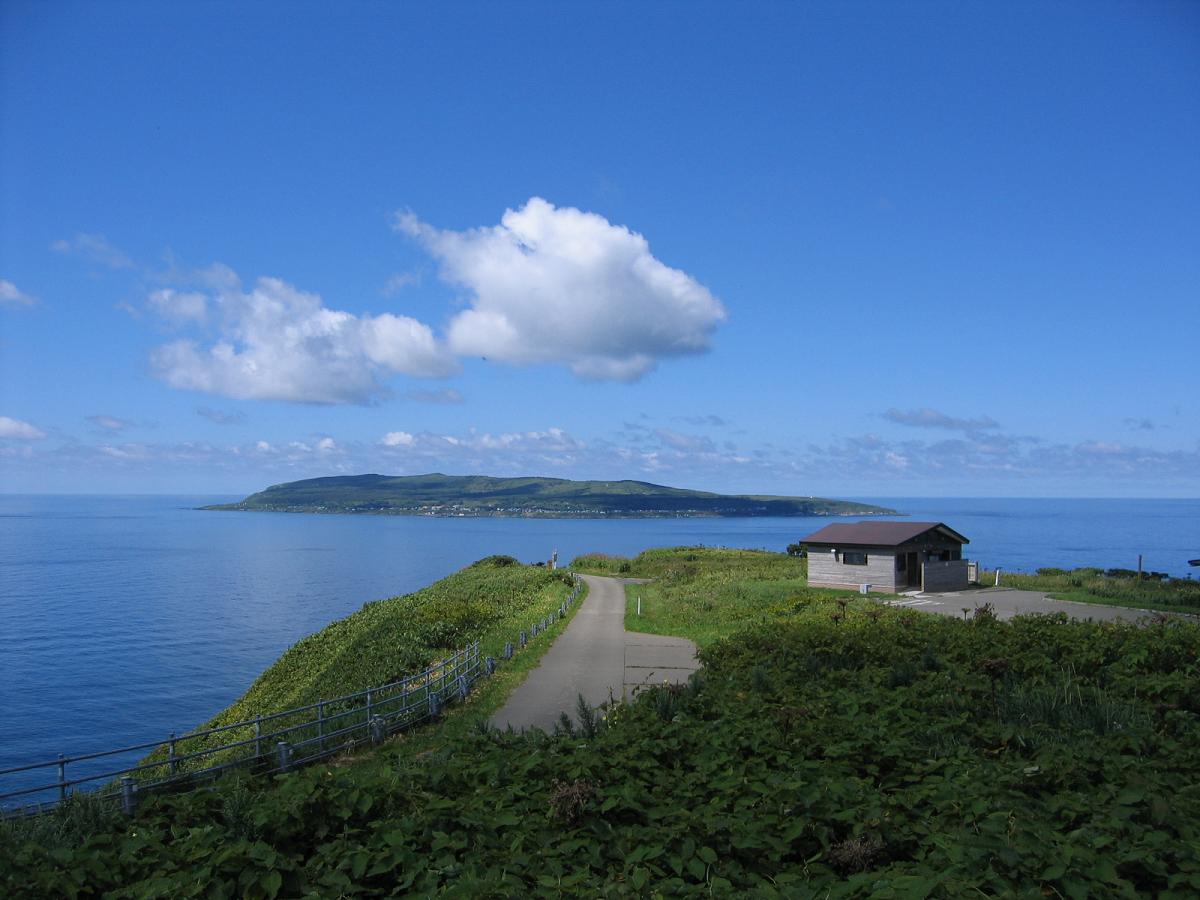
Beyond seabirds, Teuri has good uni (sea urchin) and hokke (atka mackerel) fishing, a small cycling loop around the island perimeter (the main non-bird tourism activity), and a handful of quiet fishing-village restaurants that serve the day’s catch straight off the boats.
Yagishiri Island: the quieter cousin
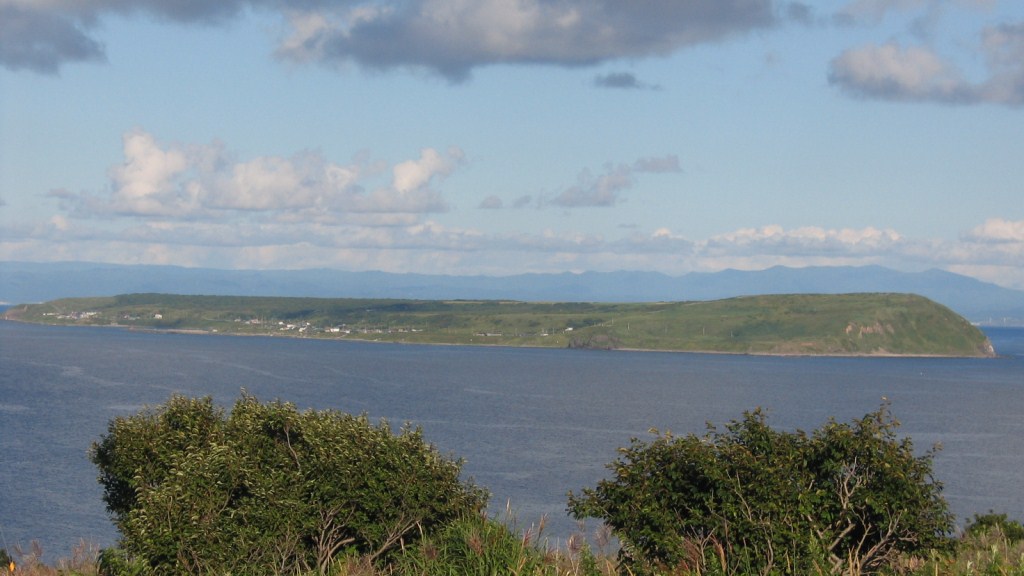
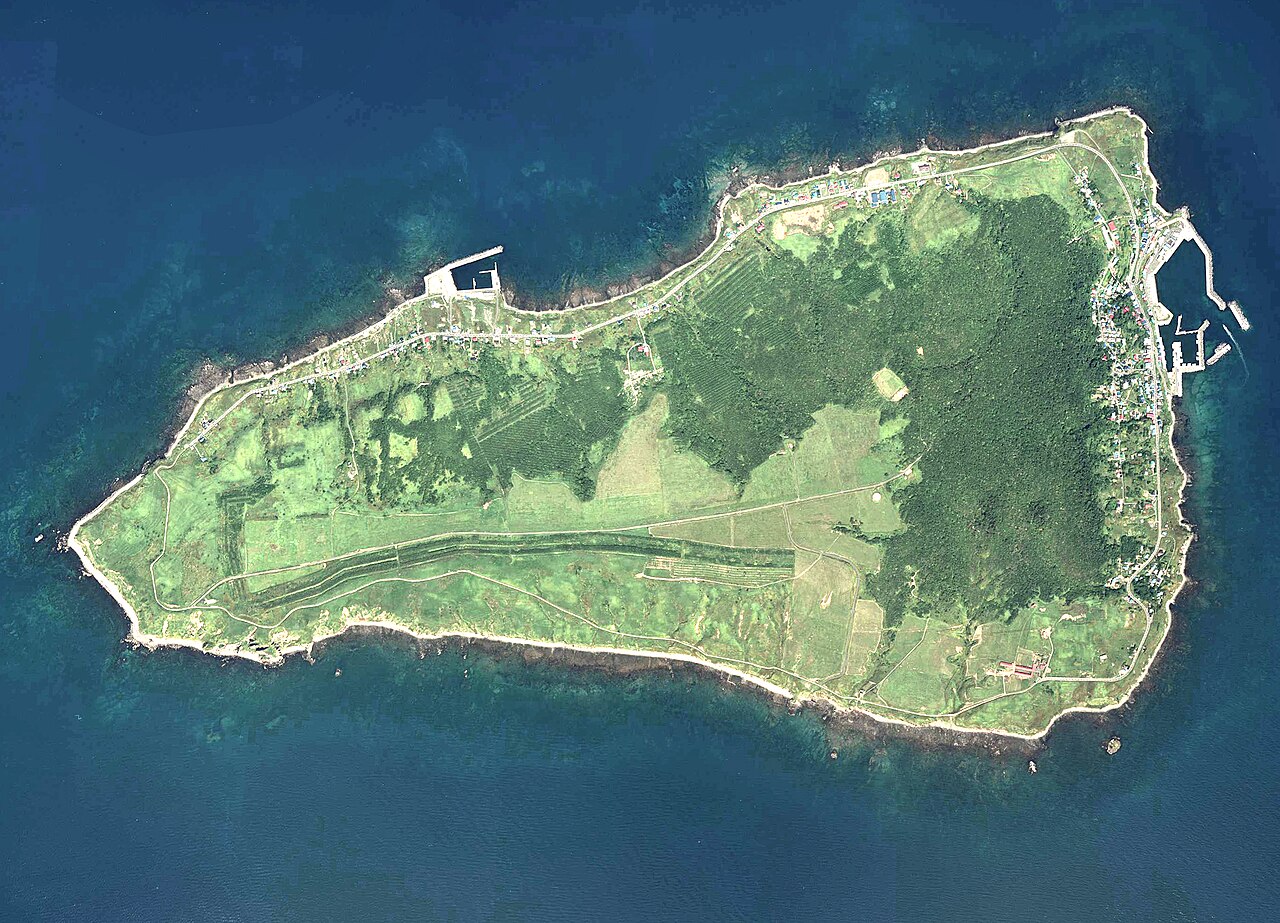
Yagishiri Island (焼尻島) is Teuri’s smaller and even-quieter neighbour. Population around 230, circumference 7km, the island’s character is dominated by a central primeval-forest reserve — Japan’s only northern-latitude primeval broadleaf deciduous woodland — surrounded by sheep-grazing meadows that give the island a deeply Hebridean feel.
The island’s specific attractions:
Yagishiri Sheep Farm (焼尻めん羊牧場) — Hokkaido’s only commercial sheep farm, visible from the island’s main road. The lamb produced here is a Hokkaido-prefecture premium export; the farm itself runs a small shop selling cheese, wool, and packaged meat. Visit during ferry lunch stops; the shop runs 9:00-16:00.
Primeval Forest Trail — a 4km hiking loop through the central broadleaf forest. The trail is well-marked, easy-to-moderate grade, takes about 90 minutes. The forest has a high density of 200-400 year old beech and oak trees; the understory has a specific north-latitude flora including twinflower (Linnaea borealis) and dwarf dogwood.
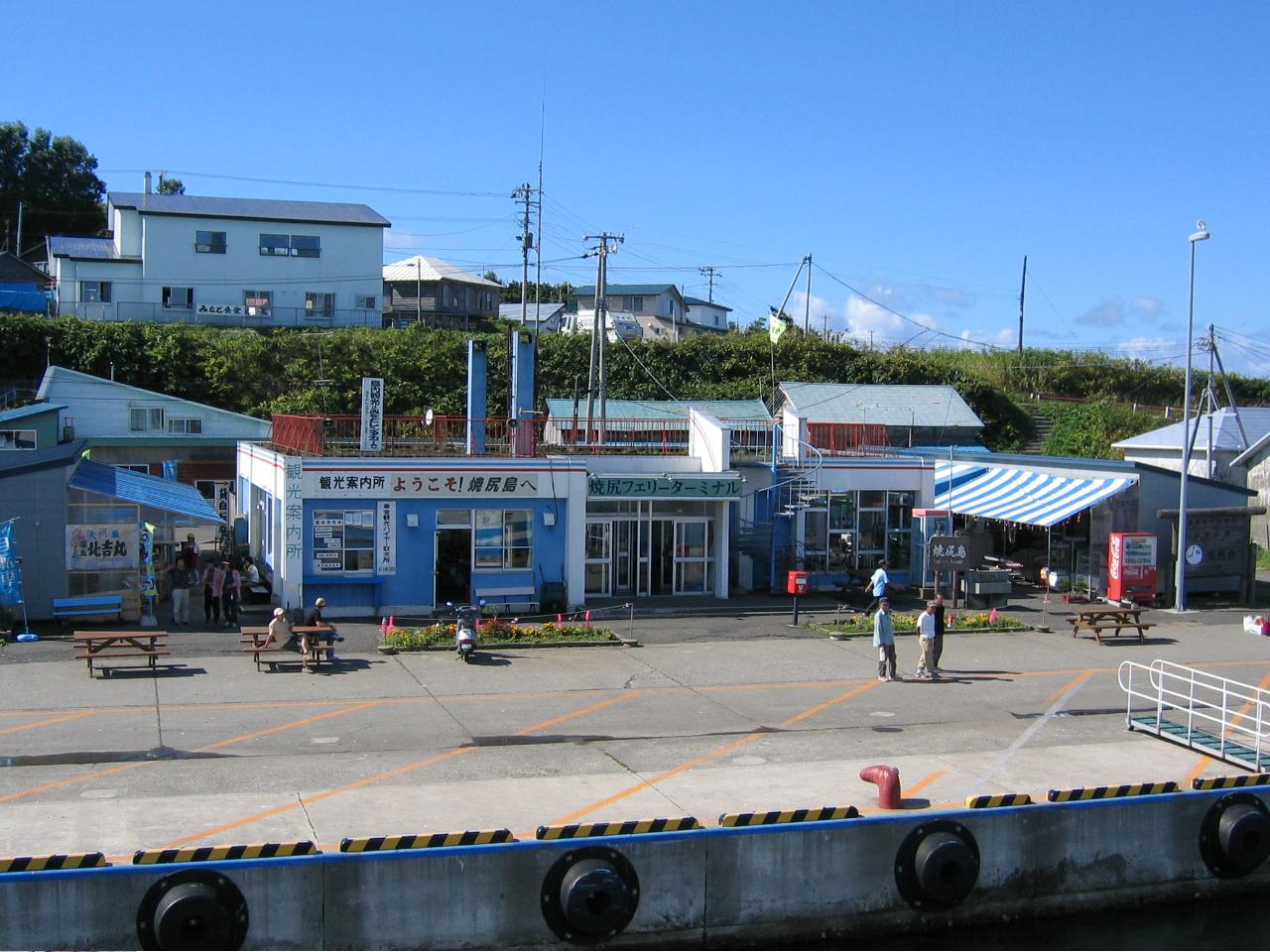
Cycling circuit — 7km around the island perimeter, mostly flat, about 45 minutes at a relaxed pace. Bike rental ¥500 per hour at the ferry terminal.

Getting there and the ferry schedule
The key logistics piece is the ferry. Haboro Enkai Ferry (羽幌沿海フェリー) runs daily service from Haboro to both Yagishiri and Teuri. Specifically:
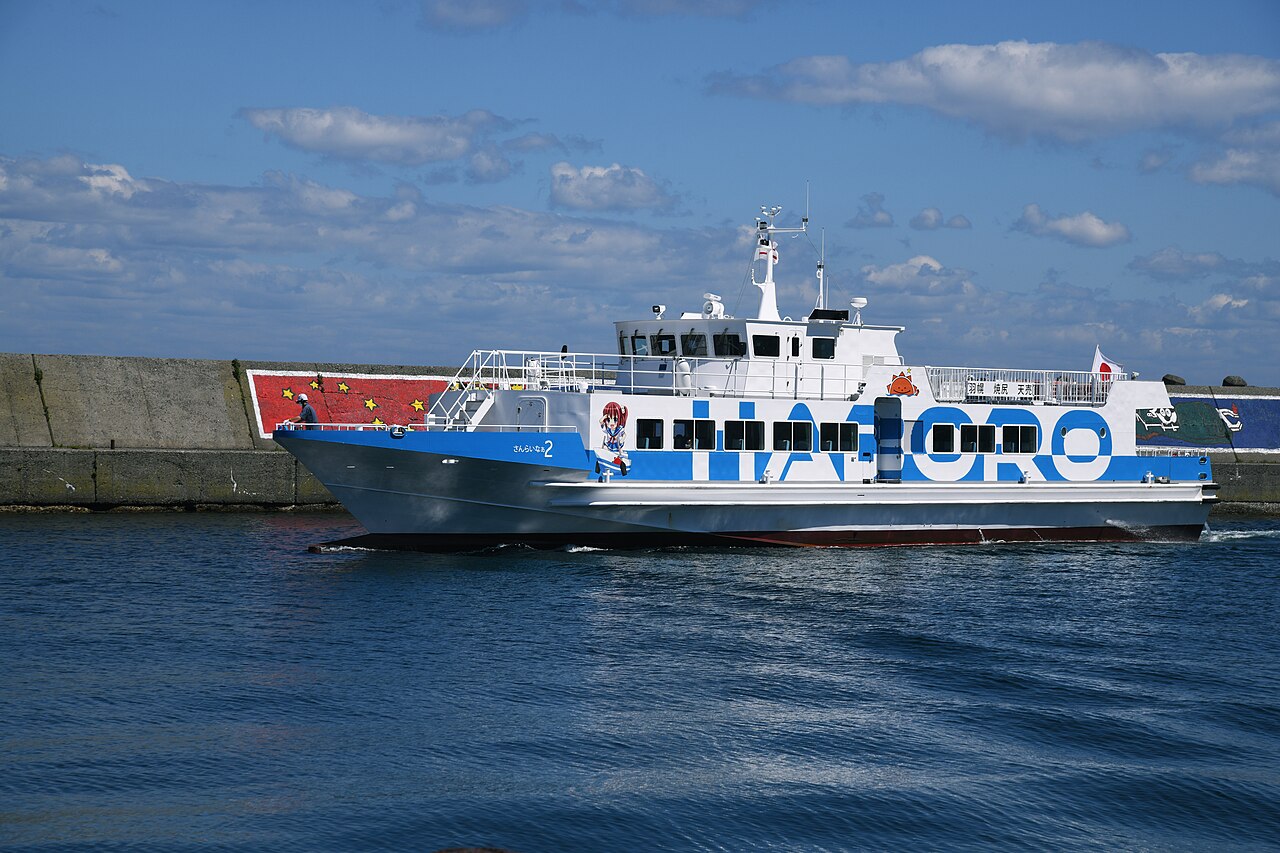
Summer schedule (April-October): 3 daily round-trips, most stopping at both islands. Morning departure typically 08:30 from Haboro, early afternoon 13:30, late afternoon 16:30. Crossing time: 55 min to Yagishiri, 90 min to Teuri.
Winter schedule (November-March): 1-2 daily round-trips, frequent weather cancellations. Plan for buffer days if you’re visiting off-season.
Fares (return): Yagishiri ¥3,040 adult / ¥1,520 child. Teuri ¥4,420 / ¥2,210. Fast jet-foil service (summer only): ¥6,440 to Teuri, 60 minutes each way.
Tickets are available at the Haboro ferry terminal. Advance booking not necessary except for peak summer weekends (mid-July to mid-August) when the boats can fill.
Getting to Haboro from mainland Japan
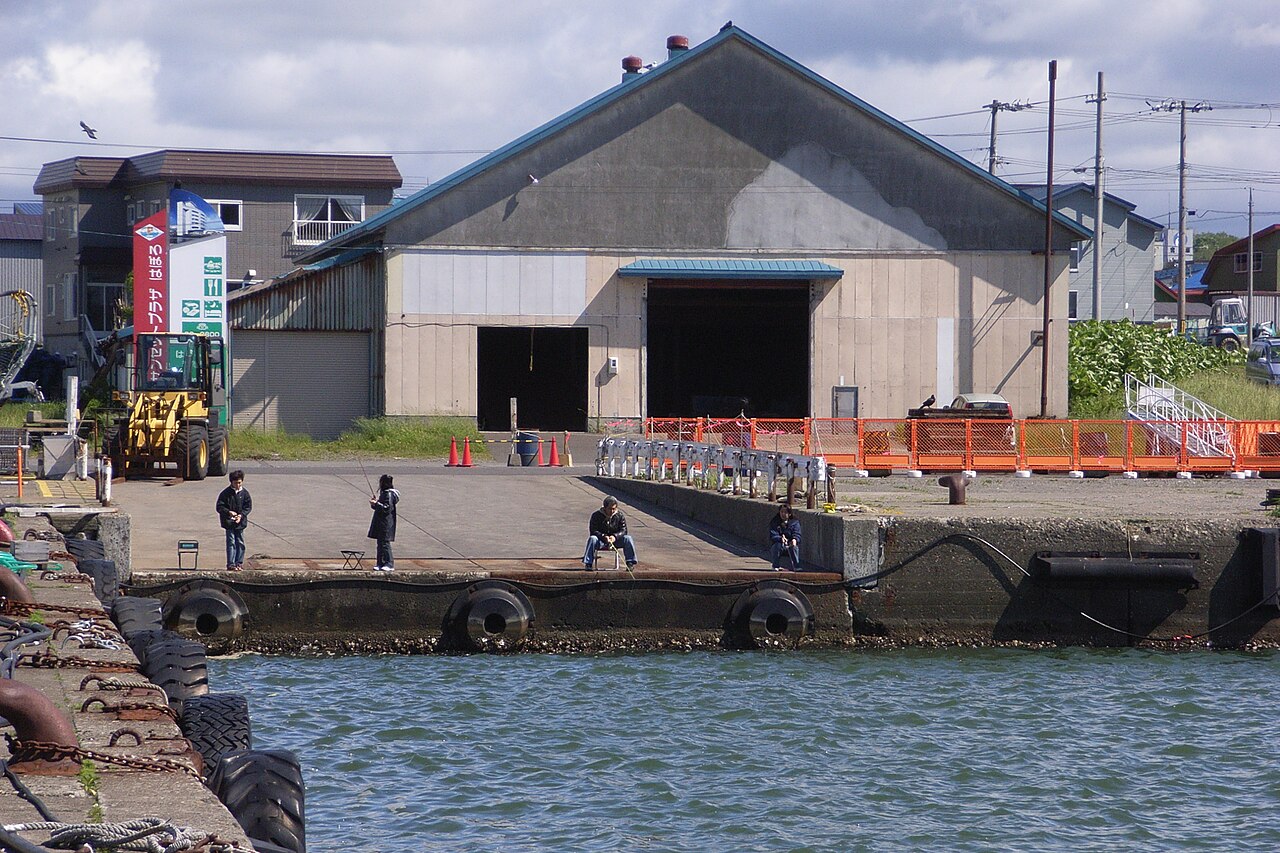
From Sapporo: 3 hours north on the Do-ou Expressway by car. By bus: Chuo Bus direct from Sapporo Station, 4 hours, ¥3,500 each way. No rail to Haboro (the branch line closed in 1980s).
From Tokyo: Flight Haneda → Sapporo-Chitose (1h40min), transfer to bus/car up the Japan Sea coast. Total time 6-7 hours door-to-door.
From Asahikawa: 2h30min drive west on Route 275 then north on Route 232. This is the standard route if you’re combining Haboro with Asahikawa-based Hokkaido itineraries.
Where to stay
Haboro (mainland base) — business hotels in the ¥7,000-12,000 range. Haboro Sun Set Hotel is the in-town standard, and the Haboro Onsen Sunset Plaza has the onsen-plus-view combination.
Teuri Island — 5-6 minshuku in the ¥8,000-11,000 range half-board. Book 2-3 weeks ahead for summer peak. The higher-end option is Minshuku Hayashi, with sea-view rooms facing the seabird cliffs.
Yagishiri Island — 3-4 minshuku in the same ¥8,000-11,000 range. The island is quieter; book directly by phone (reservations are still often phone-only in Japanese).
Booking.com’s Hokkaido listings cover the mainland Haboro options; the island minshuku are phone-booked only, through the Haboro tourism office.
Is a Teuri / Yagishiri trip worth it?
For serious birders and nature photographers — unambiguously yes. Teuri’s colony is the biggest continuous seabird breeding site in Japan and one of the top ten in the North Pacific. The rhinoceros auklet dusk return is a dramatic wildlife spectacle in the genre of African migrations or Scottish gannet cliffs, and it’s almost entirely un-touristed.
For general Hokkaido travellers with 10+ days — worth a 3-day detour if you want to see working remote-island Japan and don’t mind the travel time. Combine with the Rishiri-Rebun trip further north for a maximum-northern-Hokkaido itinerary, or pair with Takinoue and Kamiyubetsu trip further north for a maximum-northern-Hokkaido itinerary.
For first-time Japan visitors — skip unless you have a specific bird or nature interest. The Haboro/Teuri/Yagishiri combination is specifically for travellers who want Japan’s most peripheral landscapes and don’t mind the logistical commitment.
For anyone already heading to Haboro for other reasons (Japan Sea coast road trip, nearby Rumoi) — the Seabird Center at least is a genuinely good free visit. If you have time, the Teuri day trip is the bigger commitment but proportionally larger reward.
FAQ
Is there English support on the islands?
Limited. The Seabird Center in Haboro has basic English signage and printed materials. On Teuri and Yagishiri, the minshuku hosts and local restaurants operate mostly in Japanese; the guided tours have English-speaking volunteers about 30% of the time but this is not reliable. Come prepared with Google Translate and tolerance for language barrier.
When exactly do the birds arrive?
The rhinoceros auklet breeding window is roughly April 15 to August 20. Peak activity (most dramatic dusk returns) is late May through mid-July. The birds leave the colony during the day to fish offshore and return at sunset in flocks. Dusk return time varies by date — plan to be at Akaiwa Observatory one hour before sunset.
Are the islands accessible year-round?
Technically yes, but the ferry cancellation rate in winter (December-March) is 25-40% of days. If you’re committed to winter travel, budget buffer days and be prepared for multiple failed attempts. Summer is much more reliable.
Can I see puffins?
Historically yes (tufted puffins bred on Teuri); now essentially no. The Teuri puffin colony collapsed in the 1970s-80s from longline-fishery bycatch; the last confirmed breeding pair was recorded in 2010. Occasional vagrant individuals still turn up. The Seabird Center has a specific exhibit about the loss.
What’s the fishing industry angle?
Haboro fishes primarily for hokke (atka mackerel), ikura (salmon roe), and uni (sea urchin). The Seabird Center works specifically with the local fleet on bycatch mitigation; the conflict between traditional Japanese fishery practices and seabird conservation is an ongoing story the Center documents openly.
How do I book the guided tours?
Through the Seabird Center’s website in advance (recommended) or on arrival at Teuri (usually possible but less reliable). The Center also coordinates multi-day combined packages (ferry + minshuku + multiple tours) at ¥18,000-25,000 per person.
Is the trip suitable for families with kids?
Mixed. The Seabird Center is excellent for kids age 5+ — the immersive cliff display and the interactive displays work well. The island trips are better for kids 8+ who can handle ferry crossings, cycling, and the late-evening dusk returns (which can run until 20:30 in summer). Very young children will find the travel time a lot.