
Mie Prefecture’s agricultural calendar runs three-season fruit picking that few foreign travellers ever find on the Tokyo-Kyoto-Osaka tourist circuit: strawberries from January through May, peaches and plums in June-July, grapes from August through October. Unlike the big nationally-famous fruit regions — Yamanashi for grapes, Fukushima for peaches — Mie’s orchard belt sits on the Kii Peninsula’s inland hills and on the Ise-Shima coastal plain, producing a specifically local range of cultivars for Kansai and Chubu markets and running fruit-picking tourism (kajitsu-gari, 果実狩り) as a casual weekend activity rather than a major branded experience.
In This Article
- Quick facts
- How Japanese fruit picking works (if you’ve never done it)
- Strawberry picking (January-May)
- Grape picking (August-October)
- Peach, pear, and citrus
- Getting there and logistics
- What to combine with a fruit-picking trip
- Where to stay
- Is fruit picking worth a trip from Tokyo?
- FAQ
- Do I need reservations?
- Can I take fruit home?
- Is there a time limit?
- What should I wear?
- Are there English-speaking staff?
- How does Mie compare to Tochigi for strawberry picking?
- Can I combine fruit picking with wine tasting?
- Is fruit picking family-friendly?
For travellers already visiting Mie for the Ise Grand Shrine, Nagashima Spa Land, or the Kumano pilgrimage routes, adding a morning of fruit picking is one of the more satisfying small-scale day-trip additions you can do. The specific Mie-prefecture appeal: family-sized working farms rather than industrial tourism operations, orchard-direct prices that undercut anything in Tokyo by 40-50%, and the specifically Japanese “all-you-can-eat within the allotted time” format that turns fruit picking into a low-key eating contest.
Quick facts
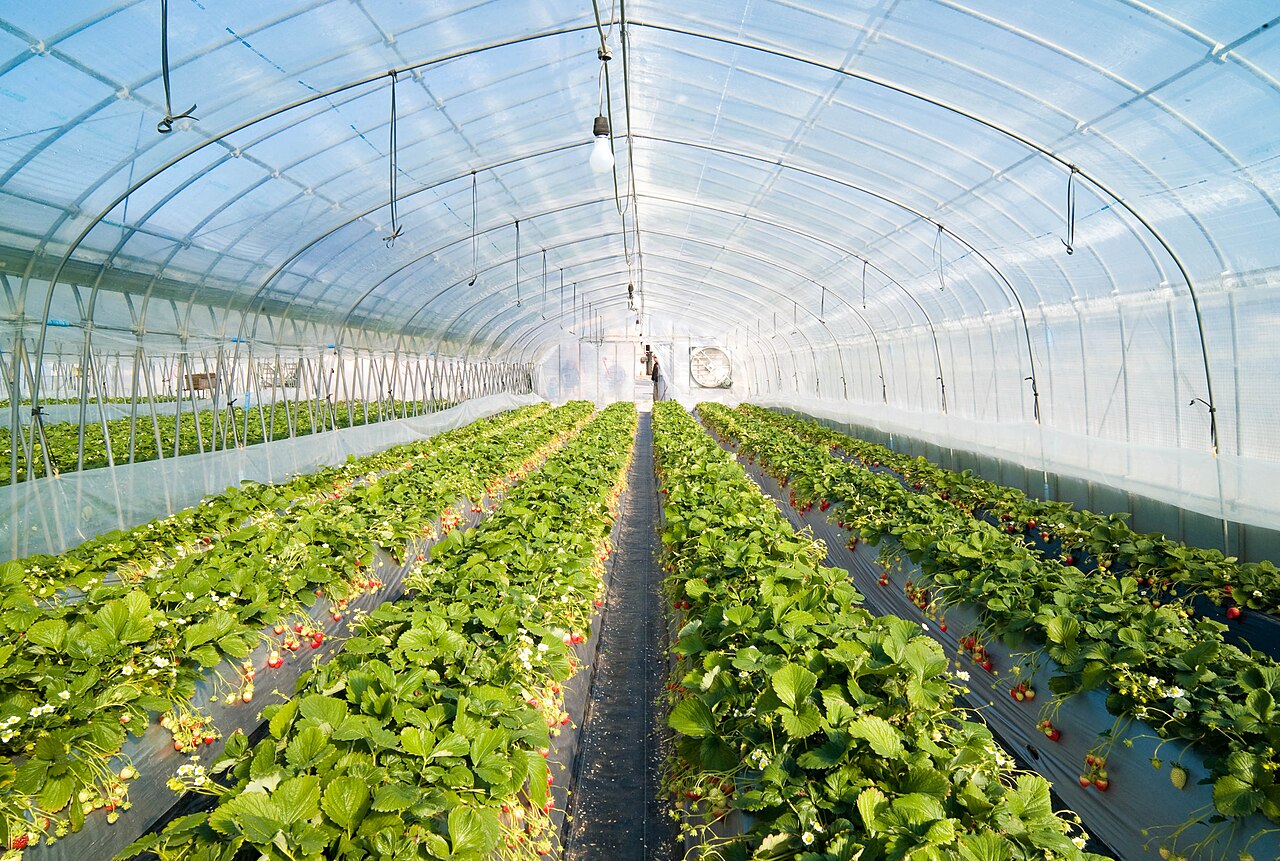
- Where: Multiple Mie prefecture locations — primary clusters at Nabari (inland southeast), Kuwana (north), Tsu (central), and Matsusaka (central-west).
- Getting there: Most farms are 30-60 minutes by car from the nearest train station. Rental car strongly recommended; farm shuttles are rare.
- Hours: Typically 10:00-16:00, reservation-based. Farms close when day’s allocation is picked out — arrive early.
- Cost: ¥1,500-3,000 per person for 30-40 minutes of all-you-can-eat picking, depending on fruit and season. Grapes and plums at the cheaper end; premium strawberries and cherries at the higher end.
- When to go: Strawberries January-May (peak March-April), cherries May-June, peaches July-August, grapes September-October, pears September-November, citrus December-February. Plan the trip around the fruit you want.
- Official: Mie Tourism Association, Japan Fruits Mie regional guide.
How Japanese fruit picking works (if you’ve never done it)
Japanese kajitsu-gari is a specific cultural activity — it’s not the American pick-your-own model where you pay by weight. The Japanese version is:
- Book ahead (or arrive early) at a participating farm.
- Pay a flat entry fee (usually ¥1,500-3,000 per person).
- Get a time slot (usually 30-40 minutes, sometimes extended to 60).
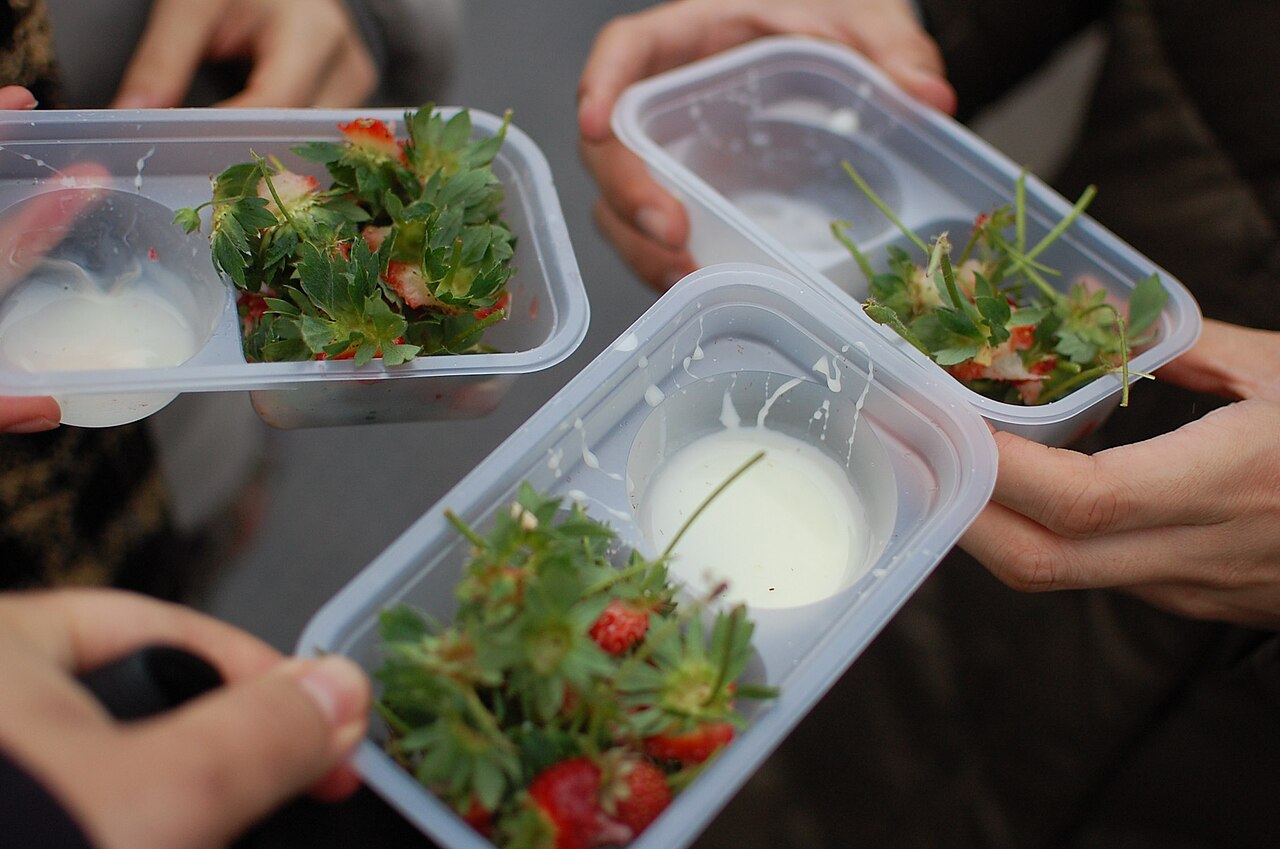
- Enter the greenhouse or orchard with a provided plastic container, a pair of scissors, and a small amount of condensed milk (for strawberry dipping).
- Eat as many of the fruit as you can fit in your stomach inside the time window.
- Leave with any remaining fruit you paid per-gram extra for (optional).
The key point: it’s all-you-can-eat inside the greenhouse, not pick-and-take-home. Taking fruit out of the picking area without weighing is not allowed. Most travellers can comfortably eat 30-50 strawberries in a 30-minute slot, or 1-2 bunches of grapes.
Strawberry picking (January-May)
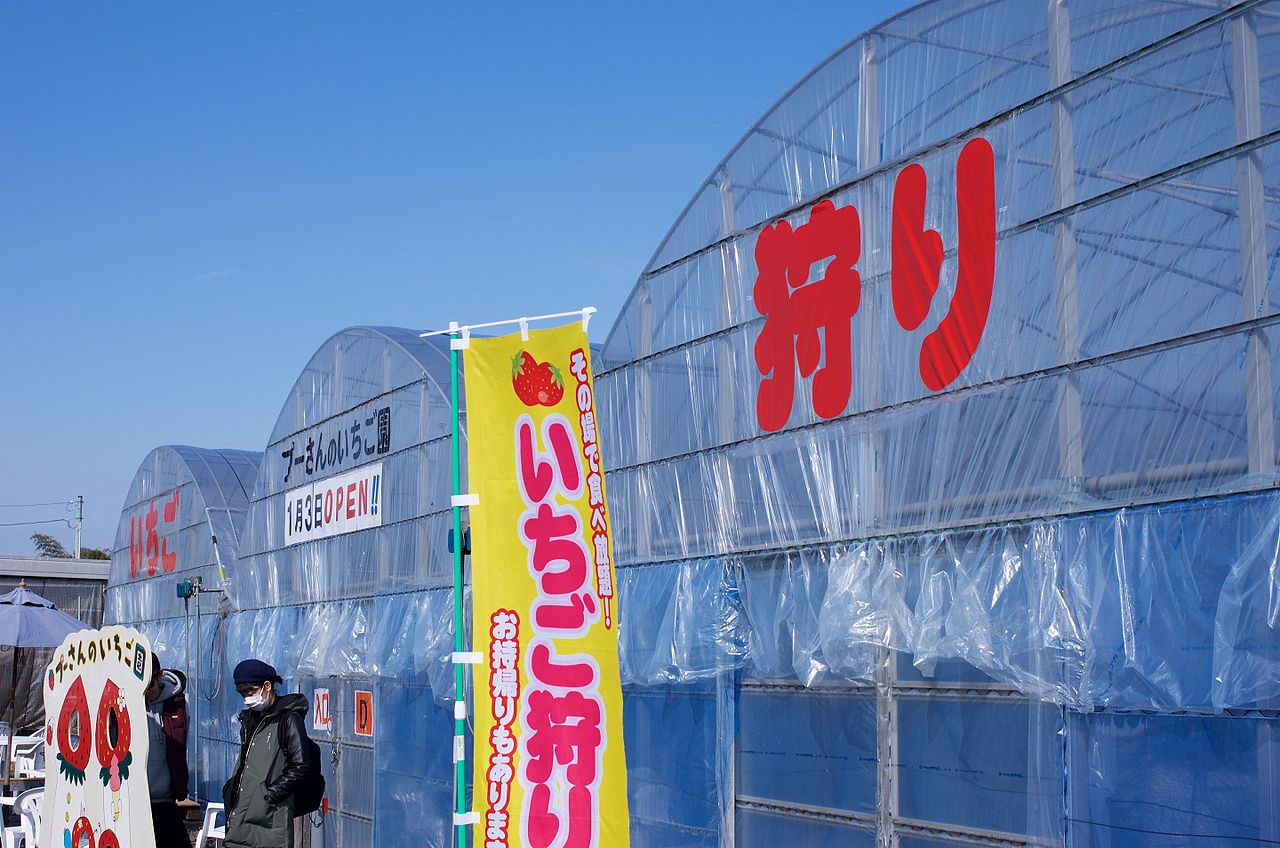
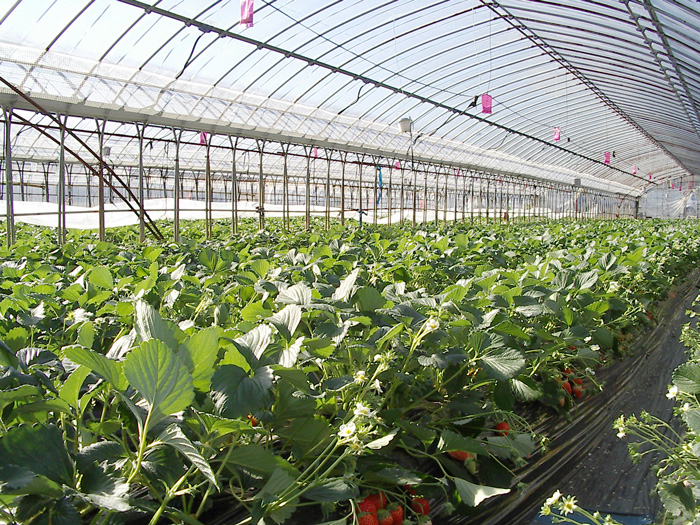
Ichigo-gari (いちご狩り, “strawberry picking”) is the most accessible of Mie’s fruit-picking seasons. The crop runs from the first early plants in mid-January through the last May harvest before the summer heat kills off production.
The varieties you’ll commonly see at Mie strawberry farms:
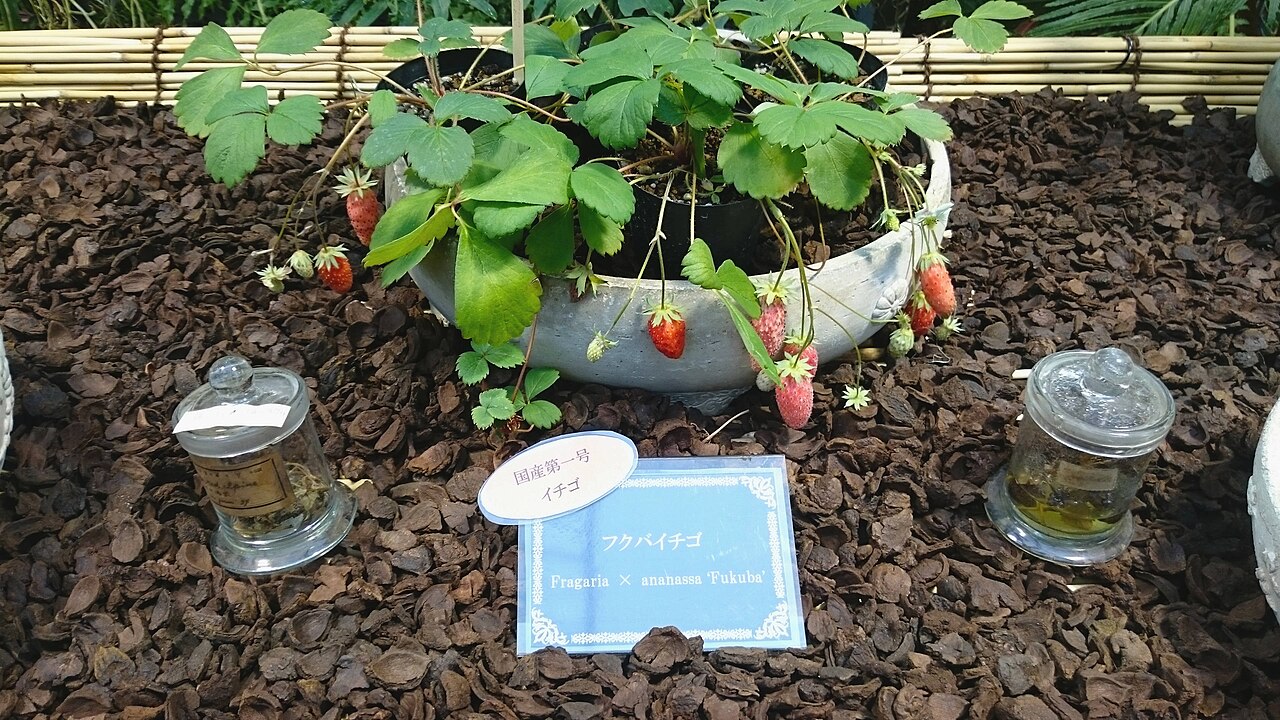
- Tochiotome (とちおとめ) — the standard mid-sized early-season red variety. Bright, standard-sweet, available from January.
- Benihoppe (紅ほっぺ) — a larger, darker-red variety with more complex flavour. February-April peak. Mie’s most-grown commercial strawberry.
- Amaou (あまおう) — the premium Kyushu-developed variety; rare at Mie farms but occasionally available. Very large, sweet-tart, slightly higher entry fee.
- Hakuou / Pearl White (白王 / パールホワイト) — white-fleshed strawberries, specific rare varieties available at 1-2 Mie farms at higher entry prices (¥3,500+). Pineapple-like flavour; unusual.
Standout Mie strawberry farms:
- Yamayuri Strawberry Park (Nabari City) — the best-known, 10-min drive from Nabari Station. No-reservation access, ¥1,800-2,200 per adult for a 40-minute slot. Benihoppe and Tochiotome varieties.
- Ichigo-no-Sato (Ise City area) — reservation-based, smaller-scale family farm with a rotating mix of 4-5 varieties. ¥2,200 adults.
- Matsusaka Strawberry Farm — larger commercial operation with several greenhouse blocks, reliably open all season. ¥1,800.
Grape picking (August-October)
Budo-gari (ぶどう狩り, “grape picking”) is Mie’s second-biggest fruit-picking category. Grape season runs late August through late October, with specific variety windows:
- Delaware (small purple) — early August.
- Kyoho (巨峰) — large purple-black, main commercial variety. Late August – early October.
- Shine Muscat (シャインマスカット) — the premium green seedless variety. Mid-September – early November. This is the variety most foreign visitors specifically chase; Mie grows some of the best outside Yamanashi.
- Pione (ピオーネ) — a Kyoho-Muscat cross, late September – October.
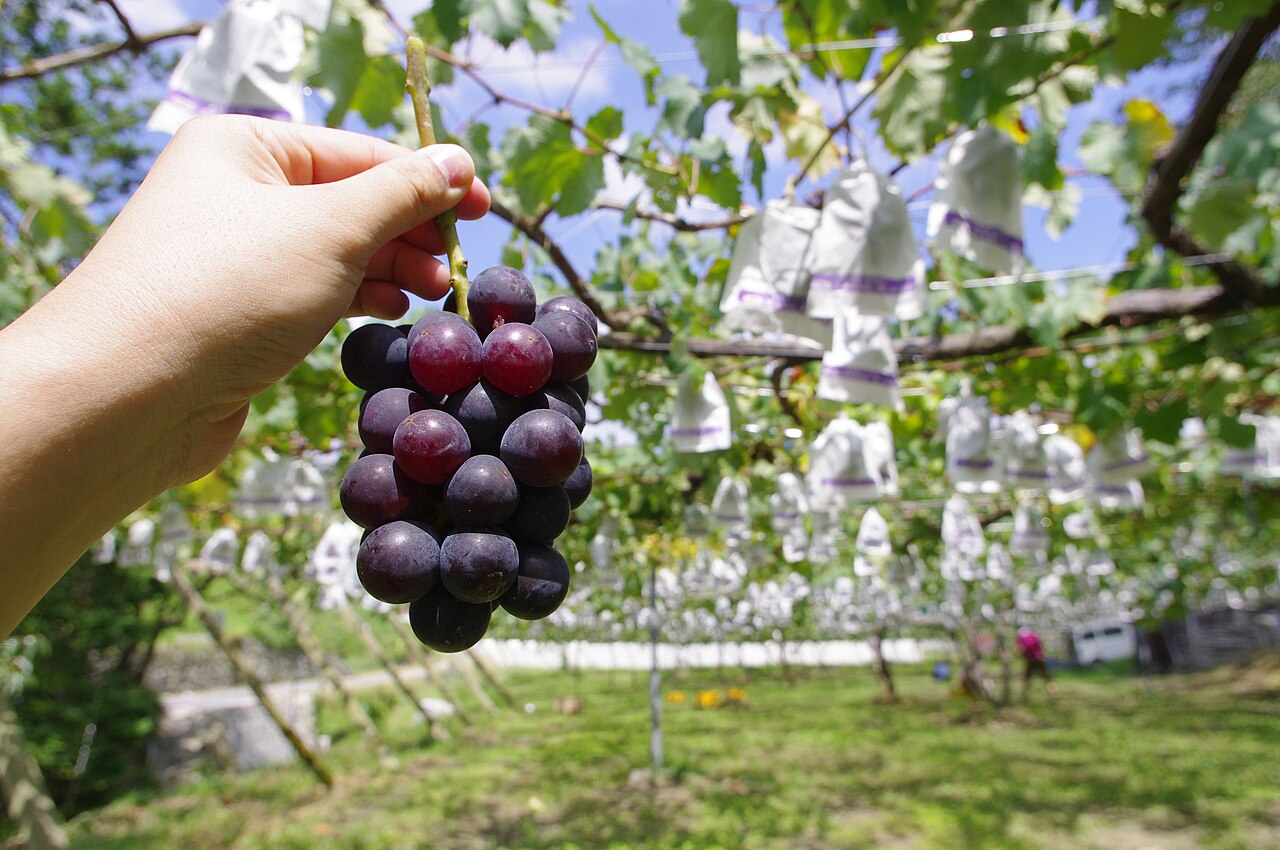
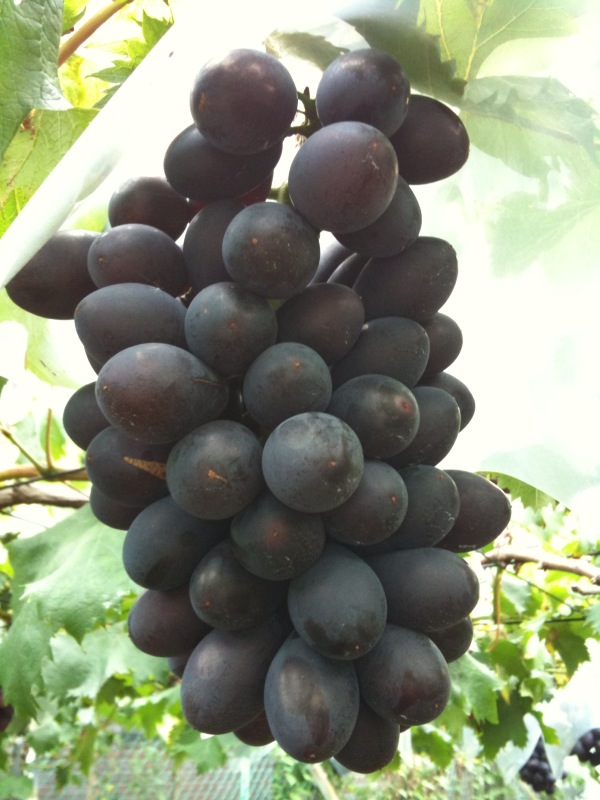
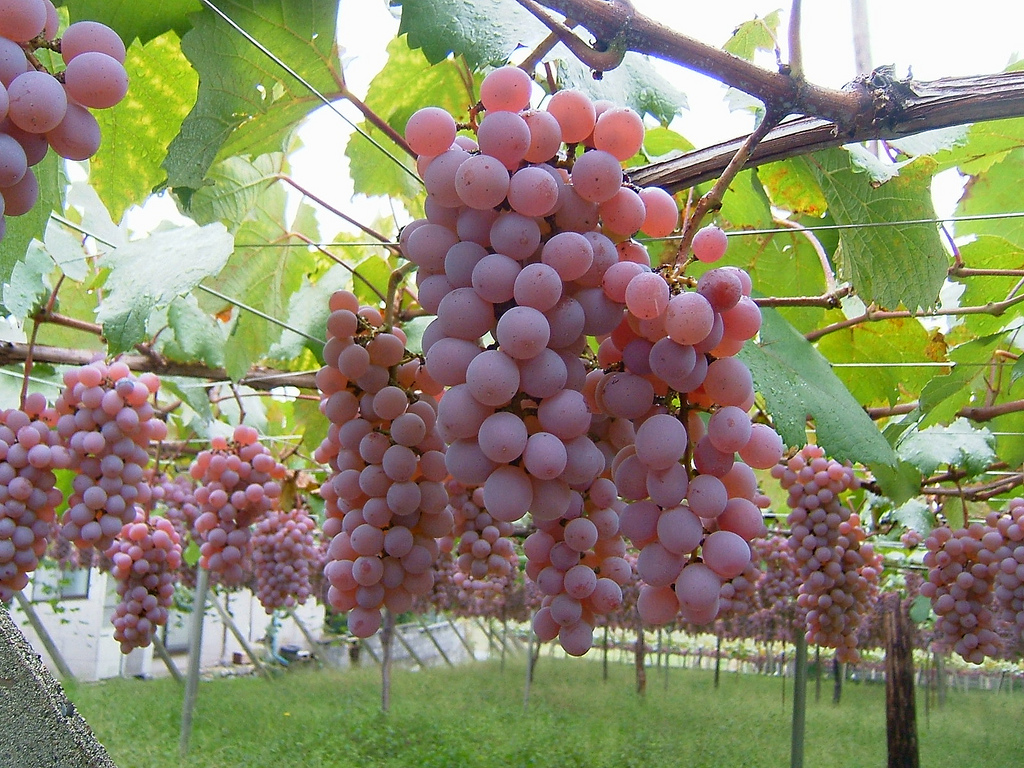
Typical grape-picking entry is ¥1,500-2,500 per person for a 30-minute all-you-can-eat slot, plus ¥1,000-3,000 for any bunches you want to take home. The Nabari Shorenji area is the Mie grape heartland — 4-5 small farms, open August to October, mostly walk-in without reservations.
Peach, pear, and citrus
Beyond strawberries and grapes, Mie has smaller operations in:
Peaches (momo-gari, 桃狩り) — July peak. Smaller-scale operation than Fukushima or Yamanashi; a handful of farms in the central prefecture hills. ¥2,500-3,500 per person for 30 min slots.
Pears (nashi-gari, 梨狩り) — September-November, mostly kosui and hosui varieties. The Mie pear-picking is specifically family-friendly because the trees are trained low (overhead trellis like grapes, same reach-up picking style).
Plums (ume-gari, 梅狩り) — June, short season. Mostly for home-pickling; tourists rare.
Citrus (mikan-gari, みかん狩り) — December-February, concentrated on the coastal Kii Peninsula side of Mie. The southern Owase and Kumano regions produce the premium unshu mandarins that go to high-end Tokyo markets; some smaller farms open for picking.
Blueberries (buruberii-gari, ブルーベリー狩り) — July-August, a handful of specialty farms, typically 1-hour slots at ¥1,500-2,000.
Getting there and logistics
Mie fruit-picking assumes car access. Public transport to most farms is essentially nonexistent; the few larger operations have station shuttles but run them only on a pre-booking basis.
Rental-car approach: Pick up a rental at Nagoya, Nabari, or Tsu station (Mie’s three main hubs). A half-day with the car costs ¥4,000-6,000; most farms are 20-40 minutes’ drive from the pickup point.
Pre-booked tour approach: Several day-tour operators in Osaka and Nagoya run seasonal fruit-picking day trips to Mie — especially during strawberry peak (February-April) and Shine Muscat season (September-October). ¥8,000-12,000 per person including coach, entry, and usually a side visit to a shrine or outlet mall. Convenient if you don’t want the logistics.
Which base city: Nagoya is the default (broad hotel inventory, direct access to the Mie coast via the Kintetsu Line). Tsu is better if you’re specifically doing central-Mie picks. Nabari is a good budget base for the inland Shorenji grape-and-strawberry cluster.
What to combine with a fruit-picking trip
Fruit picking is usually a 60-90 minute activity including travel to/from the farm — not enough for a full day. Natural combines:
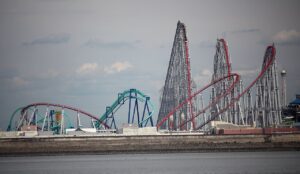
Morning fruit picking + afternoon Nagashima Spa Land — for families travelling with kids. The Nabari strawberry farms are 45 minutes from Nagashima; pick in the morning, theme park in the afternoon.
Morning strawberry picking + afternoon Ise Grand Shrine — for culture-focused travellers. Farms around Ise City are 15-20 minutes from Naiku; combine in a single day.
Grape picking + Iga ninja tour — the Iga-Nabari area has both grape farms and the Iga ninja museum. Autumn specific (September-October).
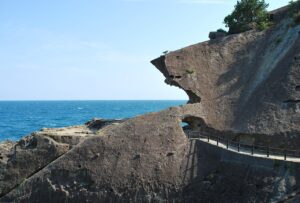
Citrus picking + Kumano coast — winter option. Combine a December mikan-gari with Onigajo cliff walk on the southern Kumano coast.
Fruit picking + Matsusaka beef — Matsusaka is Mie’s famous wagyu town. Combine a morning pick with a lunchtime Matsusaka beef session; the combined food-focused day is one of the better Mie experiences available.
Where to stay
For fruit-picking focused trips, the practical bases are:
Nagoya — the default with broadest hotel inventory (¥8,000-18,000 range). 60-90 minutes to most Mie farms.
Ise-Shima — premium ryokan and resort hotels on the coast, ¥20,000-50,000 per night. Fits with a fruit-picking + Ise Shrine itinerary.
Tsu — central Mie city, broader mid-range inventory ¥7,500-14,000. Closest city to several central farms.
Nabari — smallest-town option, ¥6,000-10,000 business hotels. Closest to the Shorenji cluster and Iga ninja area. Booking.com’s Mie listings cover all clusters.
Is fruit picking worth a trip from Tokyo?
As a standalone activity — probably not. Mie fruit picking is good, but the travel time from Tokyo (3-4 hours by Shinkansen + transfers + car) is disproportionate for a 60-minute picking session. The equivalent Yamanashi grape and Tochigi strawberry experiences are easier to reach from Tokyo.
As an add-on to a broader Mie or Aichi trip — yes, excellent. A half-day stop at a working Mie farm between Ise Shrine and Nagashima Spa Land is a genuinely local experience that most foreign visitors miss. Pricing is better than anywhere around the main tourism circuit.
For families with kids — specifically good. Fruit picking is a universally-appealing activity that works in any age group, and the combined food-plus-outdoor aspect is a useful break from temple-heavy itineraries.
For travellers specifically interested in Japanese agriculture — Mie has a distinctive regional-cultivar ecosystem (the Mie-developed strawberry and pear varieties) and is one of the better prefectures for a serious agricultural-tourism focus.
FAQ
Do I need reservations?
For the bigger farms (Yamayuri, Matsusaka), walk-in is usually fine on weekdays. For specialty farms (rare varieties, smaller operations), reservations 2-3 days ahead are strongly recommended. For any farm on a weekend or in peak school-holiday season, book ahead.
Can I take fruit home?
Not from the all-you-can-eat portion. Most farms have a separate “additional bunch” or “take-home” option at ¥1,000-3,000 per piece — you pay extra for fruit you want to leave with.
Is there a time limit?
Yes, standardized. 30 minutes is typical for strawberries; 40 minutes for grapes; 60 minutes for some premium farms. The staff are strict about the time — you stop when the clock does.
What should I wear?
Casual outdoor clothing. Greenhouses can be warm (25°C+ year-round) so wear layers you can shed. Closed shoes — the ground is muddy in some farms. Bring sunglasses if you’re picking outdoors in summer.
Are there English-speaking staff?
Limited. The bigger farms typically have one English-capable staff member on weekends; smaller operations run in Japanese only. Google Translate’s camera function handles the signage and price sheets fine.
How does Mie compare to Tochigi for strawberry picking?
Tochigi is Japan’s biggest strawberry-producing prefecture and has the largest variety of tourist-oriented farms. Mie’s strawberry industry is smaller but the farms are less crowded and the pricing is 10-20% cheaper. For a first-time Japanese strawberry-picking experience, Tochigi is more established; for a quieter local-scale trip, Mie is the better pick.
Can I combine fruit picking with wine tasting?
Not directly in Mie — the grape industry here is table-grape focused rather than wine-focused, and there’s no significant wine-tourism cluster. For wine tasting, go to Yamanashi’s Katsunuma region. Mie’s ume (plum) industry does do some umeshu (plum wine) production, occasionally with farm-direct tastings in June plum season.
Is fruit picking family-friendly?
Extremely. It’s one of the better Japanese activities for kids aged 5+: easy to understand, clear time structure, immediate food reward. Most farms have children’s pricing at 50% of adult rates. Very young children (under 3) should avoid the greenhouses in peak summer heat.


.jpg)
.jpg)

