
Shizuoka Prefecture’s summer festival calendar is the noisy counterpart to its spring season. Where spring is cherry blossoms, Tokugawa parades, and polite shrine ceremonies, summer is a coastal prefecture turning itself inside out — 10,000-firework displays over Suruga Bay, 20,000-person street dances in Shimizu, Mount Fuji officially opening as a climb on July 10, and every fishing port from Numazu to Shimoda running its own obon matsuri at some point between late July and the middle of August. It’s genuinely a lot, and for most of it you don’t need tickets — you just need to be in the right town on the right night.
In This Article
- Quick facts
- Mount Fuji opens (July 10 / September 10)
- Atami Kaijo Hanabi (July-August, rolling)
- Shimizu Minato Matsuri (first weekend of August): the set-piece
- Fukuroi Enshu Hanabi (mid-August): the biggest display
- Anjin Matsuri (August 9-10): the William Adams festival
- Obon week (August 13-16): fire, water, dead ancestors
- Mishima Summer Festival (August 15-17)
- What to see and do at a Shizuoka summer festival (the beginner’s guide)
- Combining the summer festivals into one trip
- Where to stay for the main summer events
- Is the Shizuoka summer festival circuit worth timing a trip around?
- FAQ
- When is the Shimizu Minato Festival exactly?
- Do I need to book tickets for any of the main summer events?
- Can I climb Mt Fuji during the festival season without a booking?
- Is it safe for kids at the festivals?
- What’s the food situation during a Shizuoka summer festival?
- Is it too crowded to enjoy if I’m travelling solo?
- Are the festivals tattoo-friendly?
This guide walks the Shizuoka summer festival calendar in rough chronological order, from the July Fuji-climbing season openers through the early-August Shimizu Minato Festival and the Fukuroi fireworks, into the mid-August obon week when every coastal town runs some version of a fire-and-water festival. The set-piece is the Shimizu Minato Festival — the three-day celebration with the 20,000-person Kappore dance parade and the 10,000-shell fireworks finale — but what actually makes a Shizuoka summer memorable is the density of the calendar rather than any single event.
Quick facts
- Season: Mid-July to mid-September. Peak density late July to second week of August.
- Main festivals covered: Mt Fuji opening ceremony (July 10), Atami Kaijo Hanabi (July-August series), Shimizu Minato Festival (first weekend of August), Fukuroi Enshu Hanabi (August 10), Anjin Festival Ito (August 9-10), Shimoda Obon firework display (August 13-15), Mishima Summer Festival (August 15-17), various obon beach festivals across Izu.
- Getting there: Most events accessible from Tokyo in 1-3 hours via Shinkansen (Shizuoka, Shimizu, Hamamatsu stations) or limited express (Izu Peninsula). Shimizu specifically is 70 minutes from Tokyo on Hikari + local.
- Cost: Almost every festival is free. Paid extras: reserved seating at the fireworks (typically ¥2,000-5,000 per person for premium viewing), parking, accommodation surcharges.
- When to go: If one trip, plan around the first weekend of August (Shimizu Minato). If you’re flexible, mid-August obon week has the deepest programming.
- Heat warning: Shizuoka summers are genuinely hot — 32-35°C daytime highs with Pacific-coast humidity. Carry water; buy a uchiwa (paper fan) from any festival stall; expect to sweat through a shirt by early afternoon.
- Official sites: Hello Shizuoka, Visit Shimizu, Izu Tourism.
Mount Fuji opens (July 10 / September 10)
The summer calendar’s ceremonial opener is the Yamabiraki (山開き, “mountain opening”) of Mt Fuji. The Yoshida Trail on the Yamanashi side opens July 1; the three Shizuoka-side trails (Fujinomiya, Subashiri, Gotemba) open July 10. Until these dates each year, the trails are officially closed and the mountain huts are shuttered for the winter; from the opening, climbers can make the overnight ascent to see the goraiko (the sunrise from the summit). The season runs about two months and the summit closes on September 10.
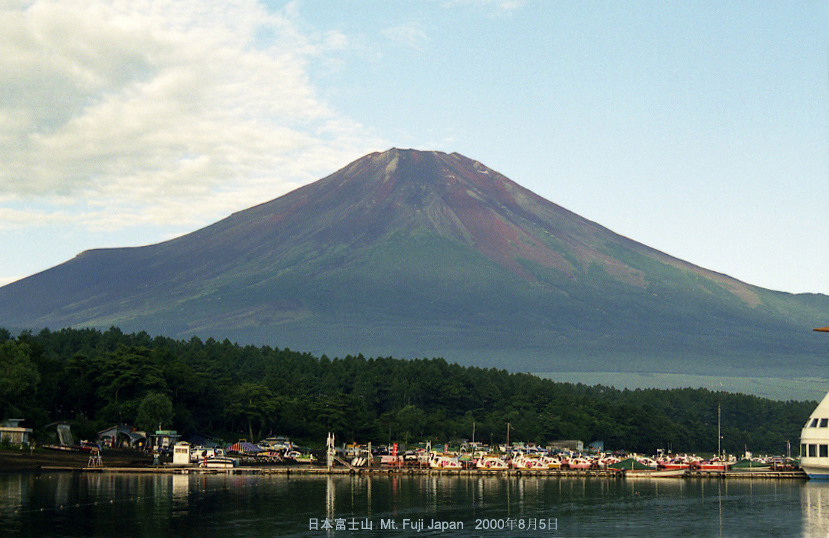
The opening-day ceremonies at the Fujinomiya Trailhead (Shizuoka side) and at Fujisan Hongu Sengen Taisha (富士山本宮浅間大社) shrine in Fujinomiya are brief — a Shinto prayer, a ceremonial first hiker sent up the trail, usually a regional news crew. Worth attending only if you’re already planning to climb. Most climbers skip the ceremony and just head for the trailhead buses.
The climb itself is not really a festival experience but deserves a mention because it’s the Shizuoka summer activity. Roughly 300,000 people climb Fuji each season; roughly a third come up the Fujinomiya trail from the Shizuoka side (shorter and steeper than Yoshida but less crowded). Tickets for huts require 2-3 month advance booking; the official system is at fujisan-climb.jp. First-time climbers should read the official weather and equipment advice — Fuji kills two or three people a year and altitude sickness at the summit is real.
Atami Kaijo Hanabi (July-August, rolling)
Atami is the resort town at the Izu Peninsula’s northeast corner — the one most Tokyoites know as a weekend onsen hop. Its Atami Kaijo Hanabi Taikai (熱海海上花火大会, “Atami Sea Fireworks Competition”) runs not once per summer but roughly ten times — rolling fireworks nights spaced across the entire summer, with additional displays in April, October, and December for the off-peak calendar.
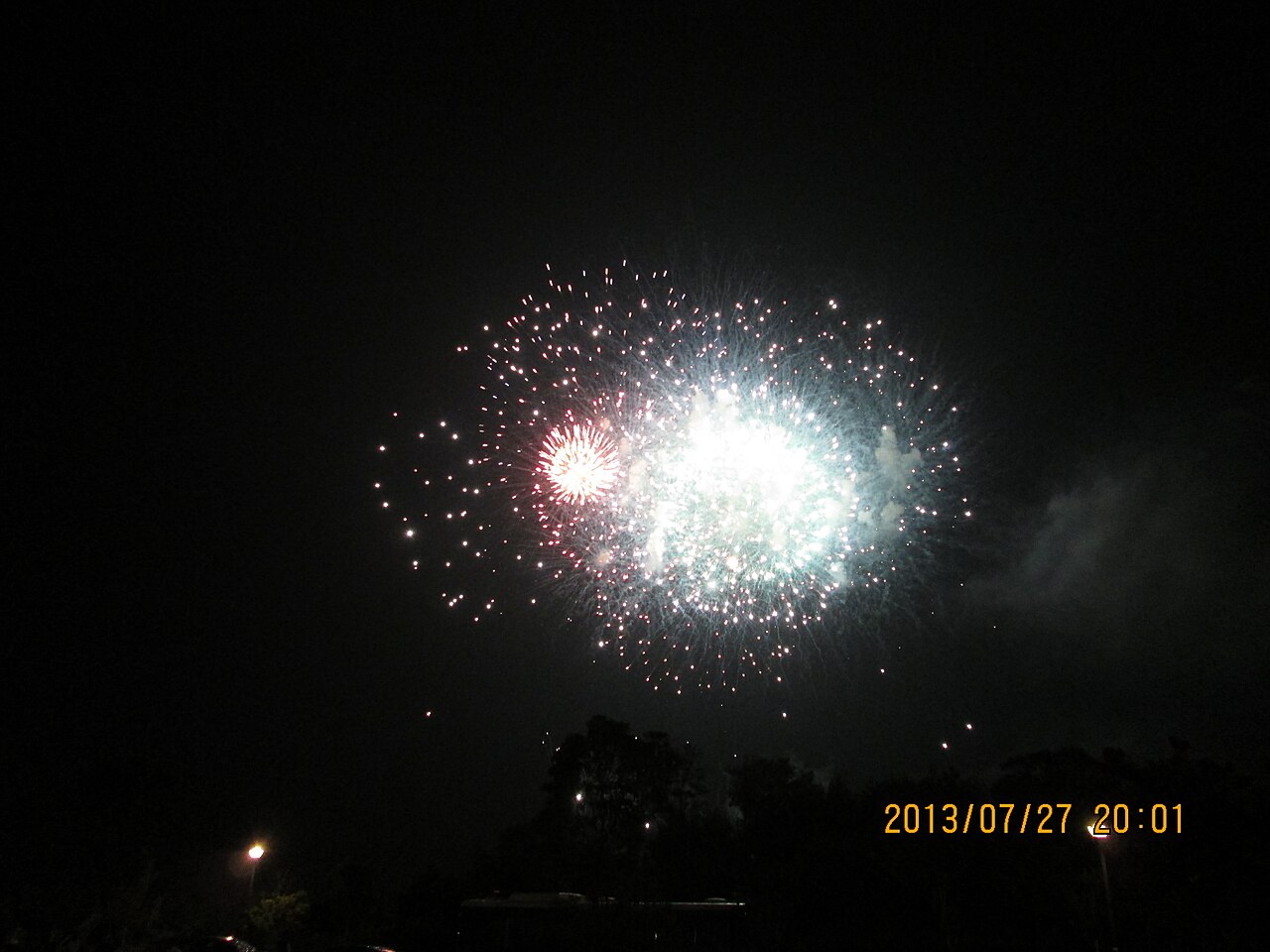
The specific summer nights in 2026 are typically: the first weekend of July, the first and third weekends of August, and one mid-August date overlapping with obon. Each display runs 20 minutes and fires about 5,000 shells from barges in Atami’s half-bowl harbour, which makes the whole town into a 180-degree amphitheatre for the spectacle. The sea-level barge position and the wrap-around hill geography combine to produce what’s widely considered the best Japanese coastal fireworks viewing.
Access: Atami Station is on the Tokaido Shinkansen (Kodama or Hikari), 45 minutes from Tokyo (¥4,290 reserved). Viewing spots are everywhere along the harbourfront — the free public beach benches on Sunbeach work fine. Paid reserved seating at the Marine Spa Atami terrace is ¥3,000 per person and includes an eye-level view of the barges. Hotels book out 6 weeks ahead for Saturday fireworks nights; midweek nights have plenty of walk-up capacity.
Shimizu Minato Matsuri (first weekend of August): the set-piece
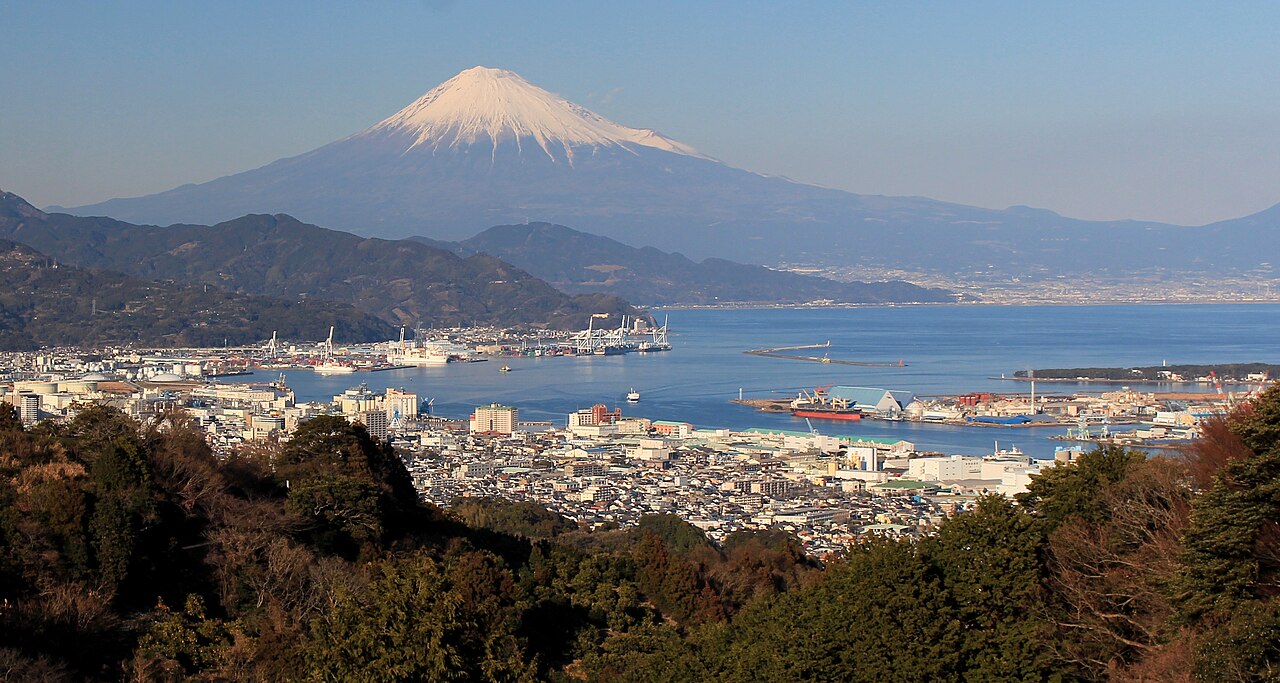
If you can plan your Shizuoka summer trip around one festival, make it this one. The Shimizu Minato Matsuri (清水みなと祭り, “Shimizu Port Festival”) runs over three days from the first Friday to Sunday in August in the Shimizu district of Shizuoka City. In scale and density, it’s the biggest summer festival in the prefecture and one of the top ten in central Honshu.
The festival has three headline events:
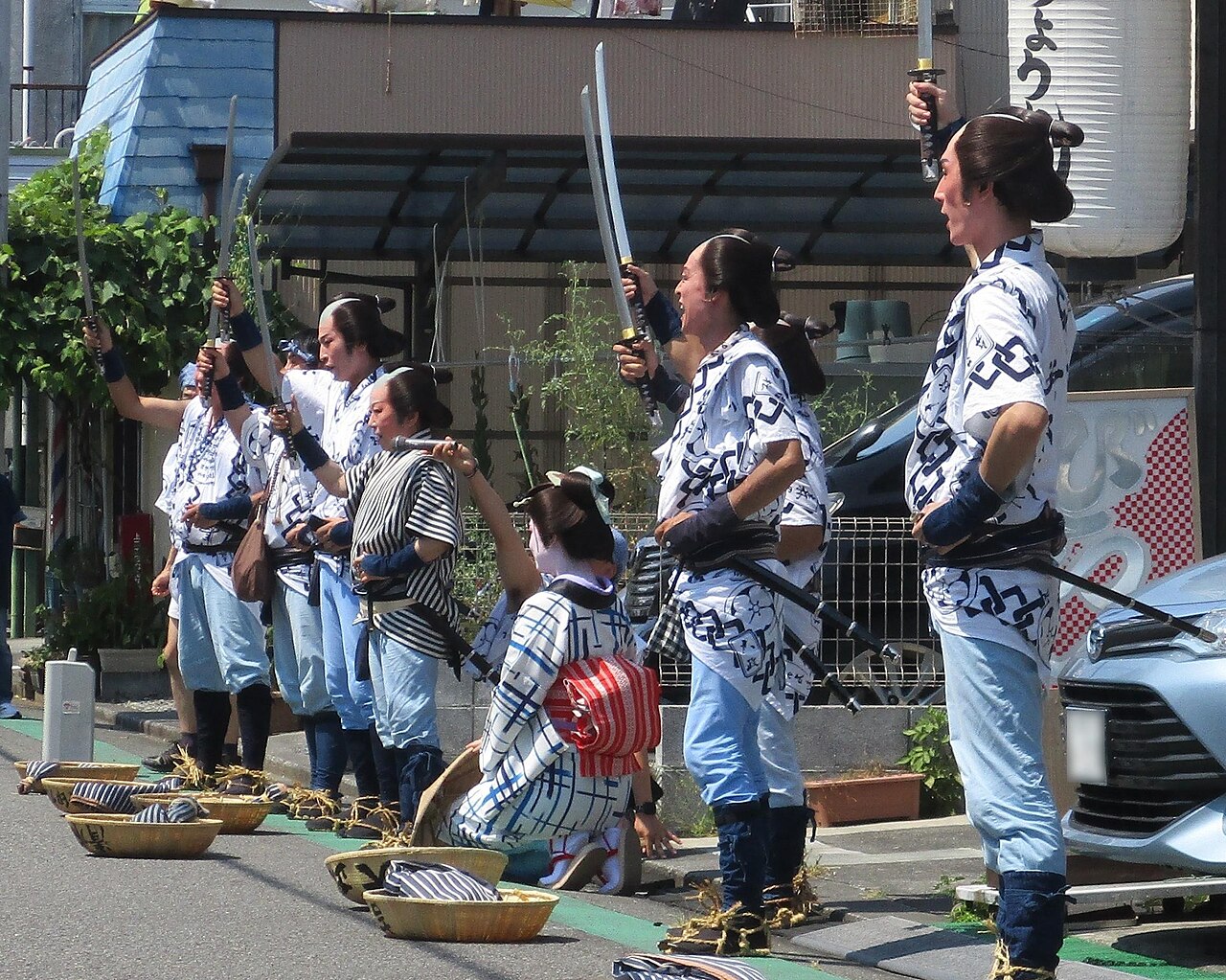
Friday: Jirocho Dochu — a costume procession commemorating Shimizu no Jirocho (清水次郎長, 1820-1893), a folk-hero gambler, fixer, and legendary Edo-period boss of the Shimizu port. Jirocho is a minor national figure and a major local one; the procession includes reenactment of his 28-man gang in period costume, portable shrines, and a stage-fight recreation of the 1868 Oro no Matsuri brawl he was known for. Around 1,000 costumed participants. 4pm-9pm across downtown Shimizu.
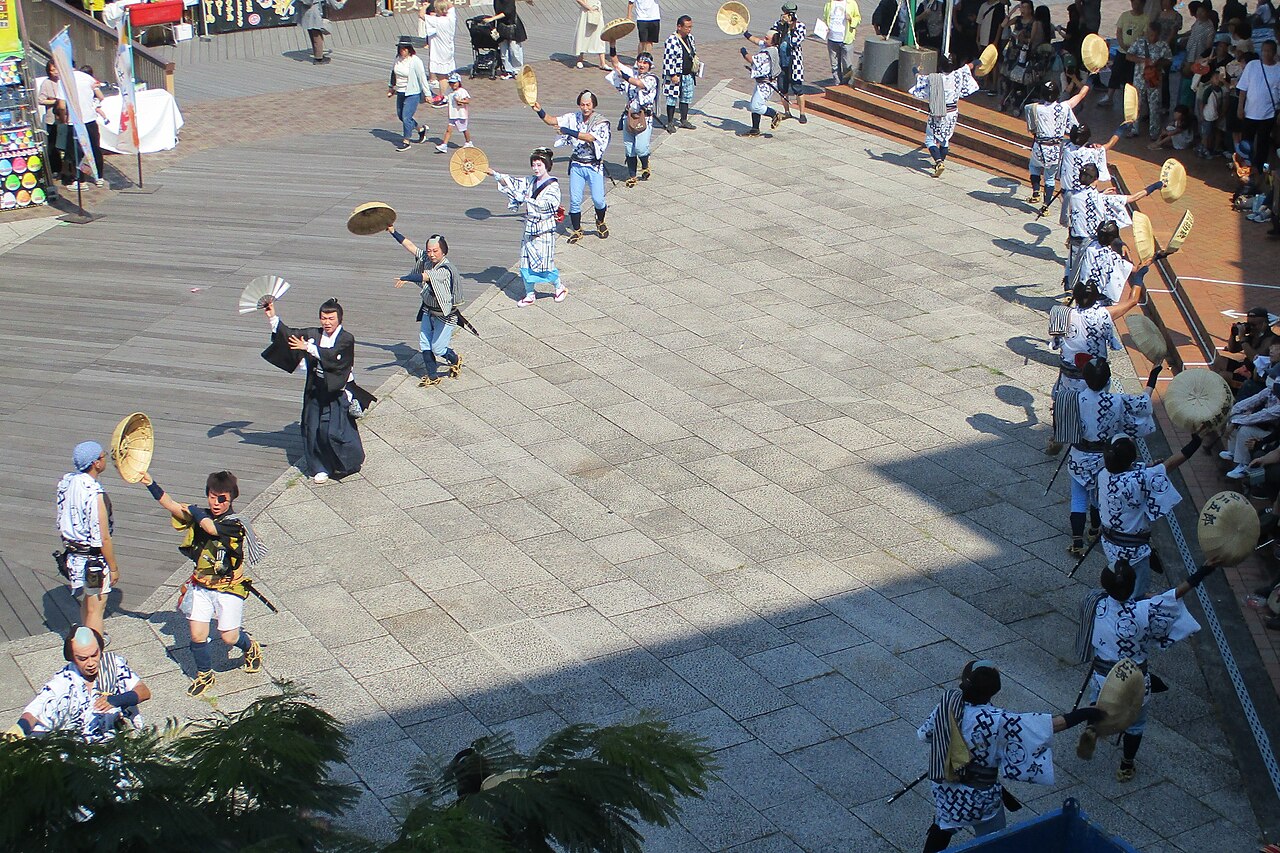
Saturday: Kappore So-Odori — the set-piece. Twenty thousand dancers in matching yukata and happi jackets parade down Satsuki Street, the 4.2km shopping boulevard connecting JR Shimizu Station to Minato Bridge, performing the Minato Kappore (港かっぽれ, “port kappore”), a specifically Shimizu-invented festival dance with a distinctive arm-swing and slide-step. The parade takes about four hours to pass a given point; the best viewing is on the east side of Satsuki Street near the Shin-Shimizu intersection, where the dancers clump into a dense mass. Free, no tickets, just show up.
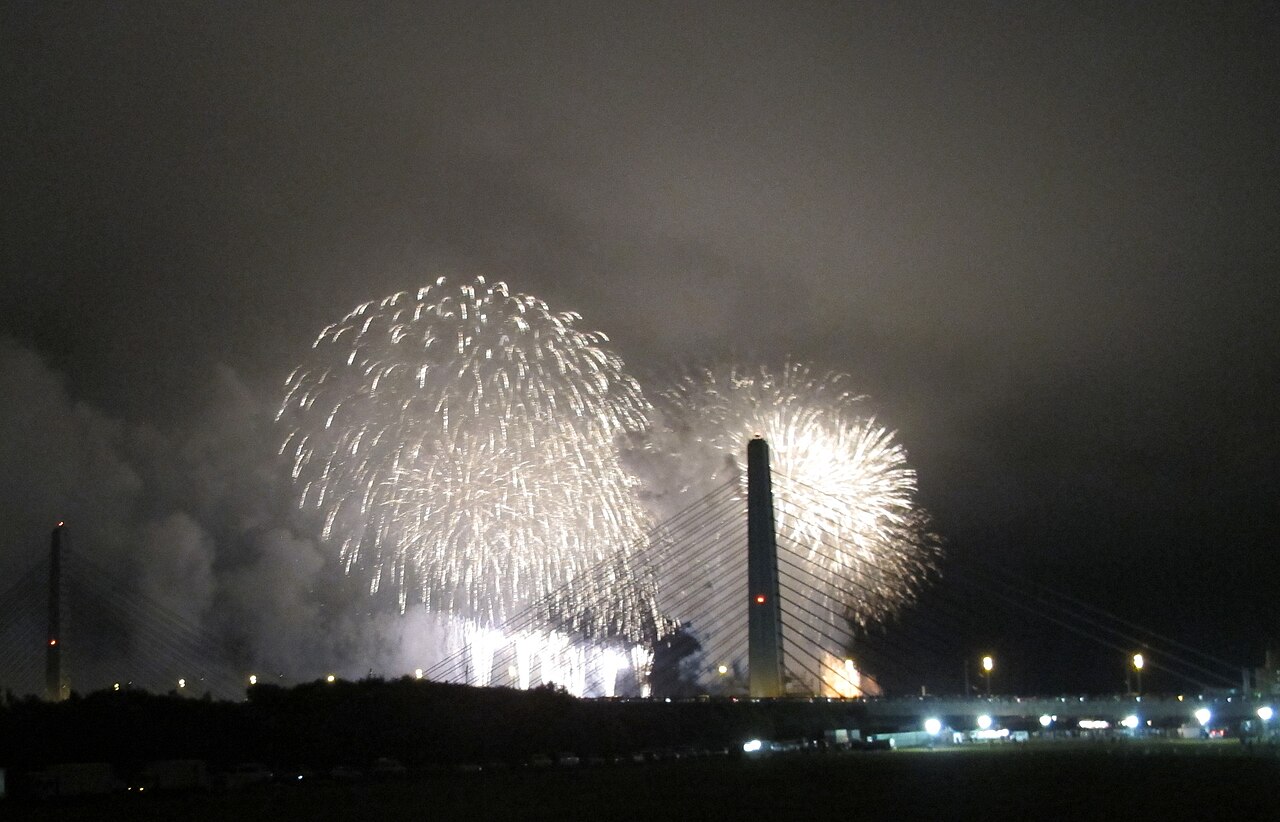
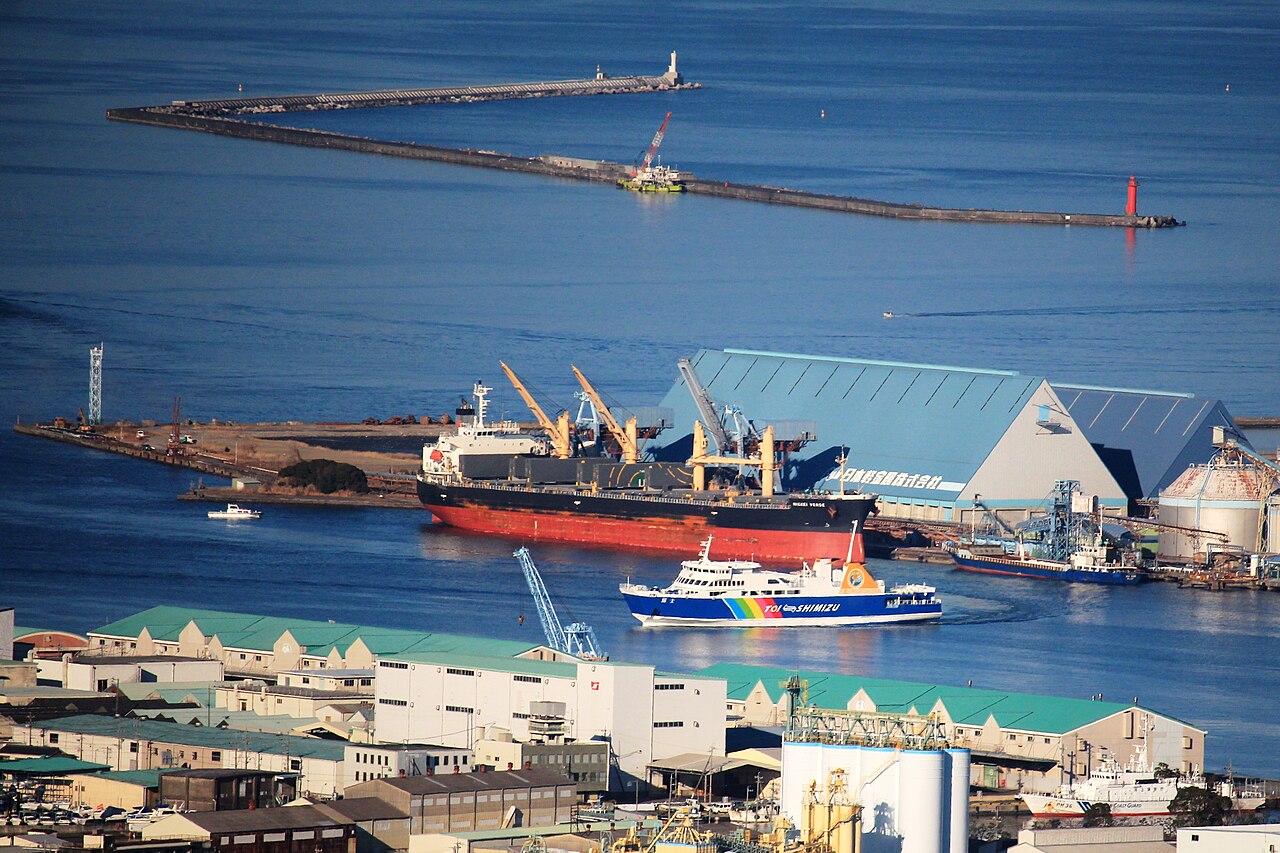
Sunday: the Hanabi Taikai — Shimizu Port Fireworks. 10,000 shells, 60 minutes, fired from barges moored off Hinode Pier. This is the largest shell count of any Shizuoka-prefecture fireworks display, and the harbour geometry (you’re standing on reclaimed land looking east across open water) gives clean, unobstructed viewing for about a kilometre of waterfront. Starts at 19:30, finishes at 20:30. The finale is a carpet of 500 shells in 60 seconds — genuinely deafening and one of the loudest sustained moments of any festival anywhere in Japan.
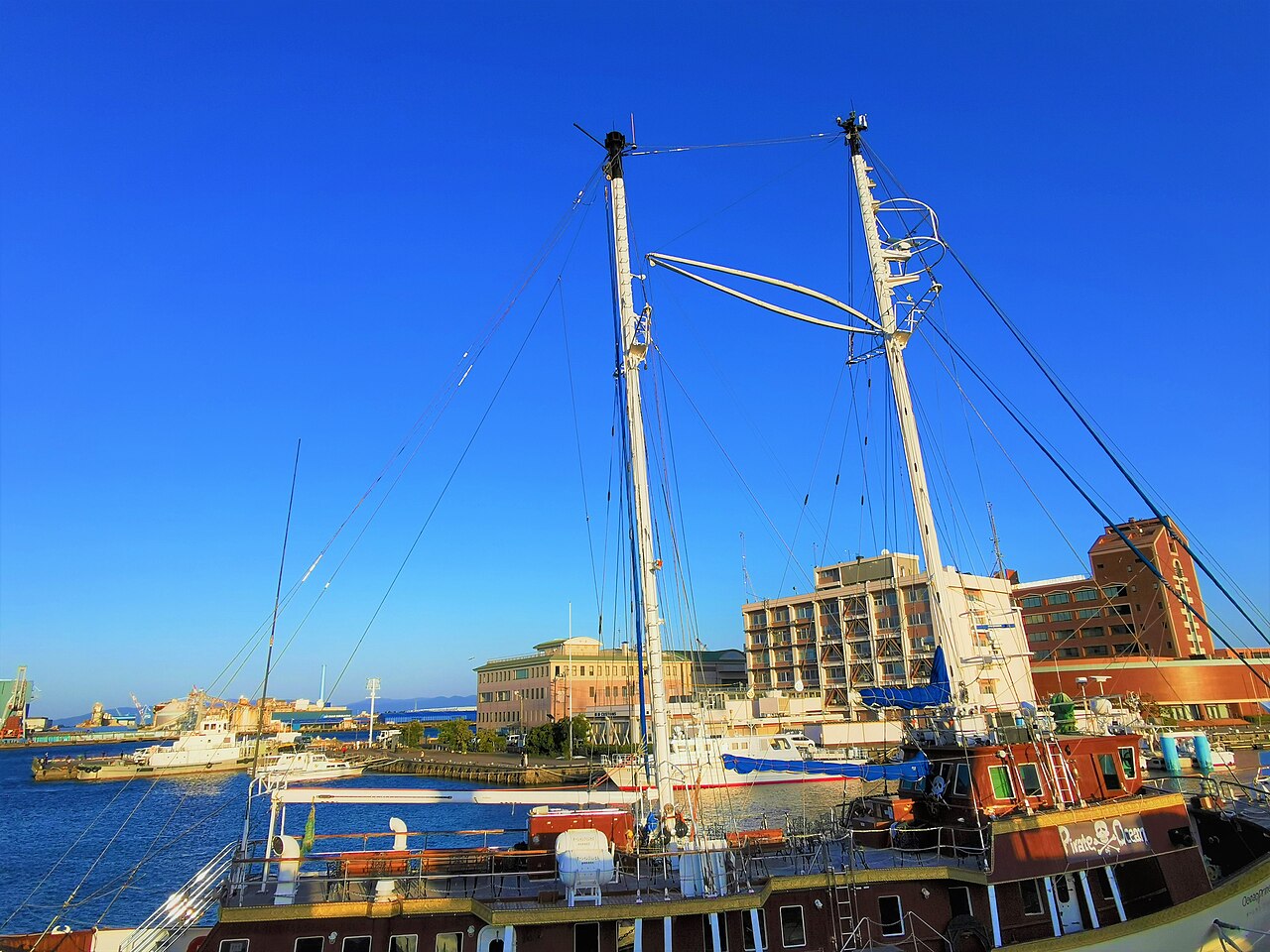
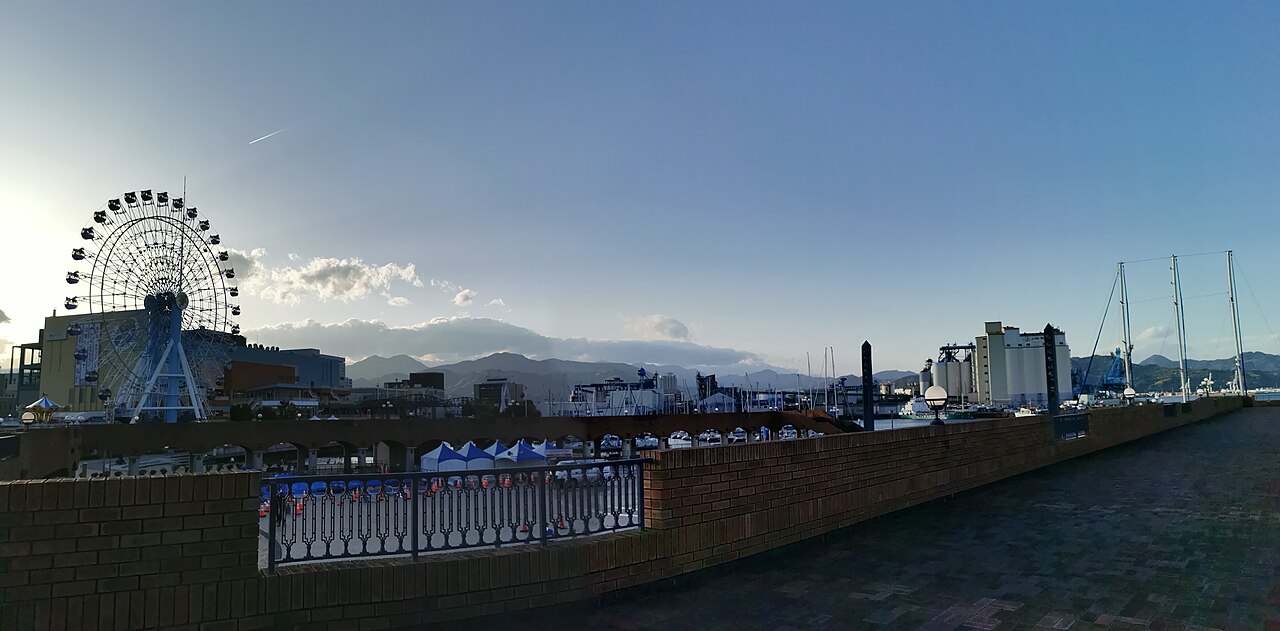
Access: JR Shimizu Station on the Tokaido Line, 10 minutes by local train from Shizuoka Station (which is the Tokaido Shinkansen stop). Total Tokyo → Shimizu about 70 minutes. The station is the procession start and the festival grounds are a 5-minute walk east.
Practical tip: the fireworks crowd hits the station in concentrated waves after the show ends. The 21:00-21:45 trains back to Shizuoka Station are standing-room-only. If you can tolerate a longer walk, exit south toward the Miho side of the harbour and catch a taxi — much faster and the drivers know the festival routine.
Fukuroi Enshu Hanabi (mid-August): the biggest display
The other Shizuoka fireworks event worth specifically timing around is the Enshu no Hanabi (遠州の花火, “Enshu Fireworks”), held at the Fukuroi sports complex on the second Saturday of August. This is a 25,000-shell display — more than double Shimizu’s — spread across 2 hours rather than the usual 60 minutes. Fukuroi is in western Shizuoka, closer to Hamamatsu than to Shizuoka city.
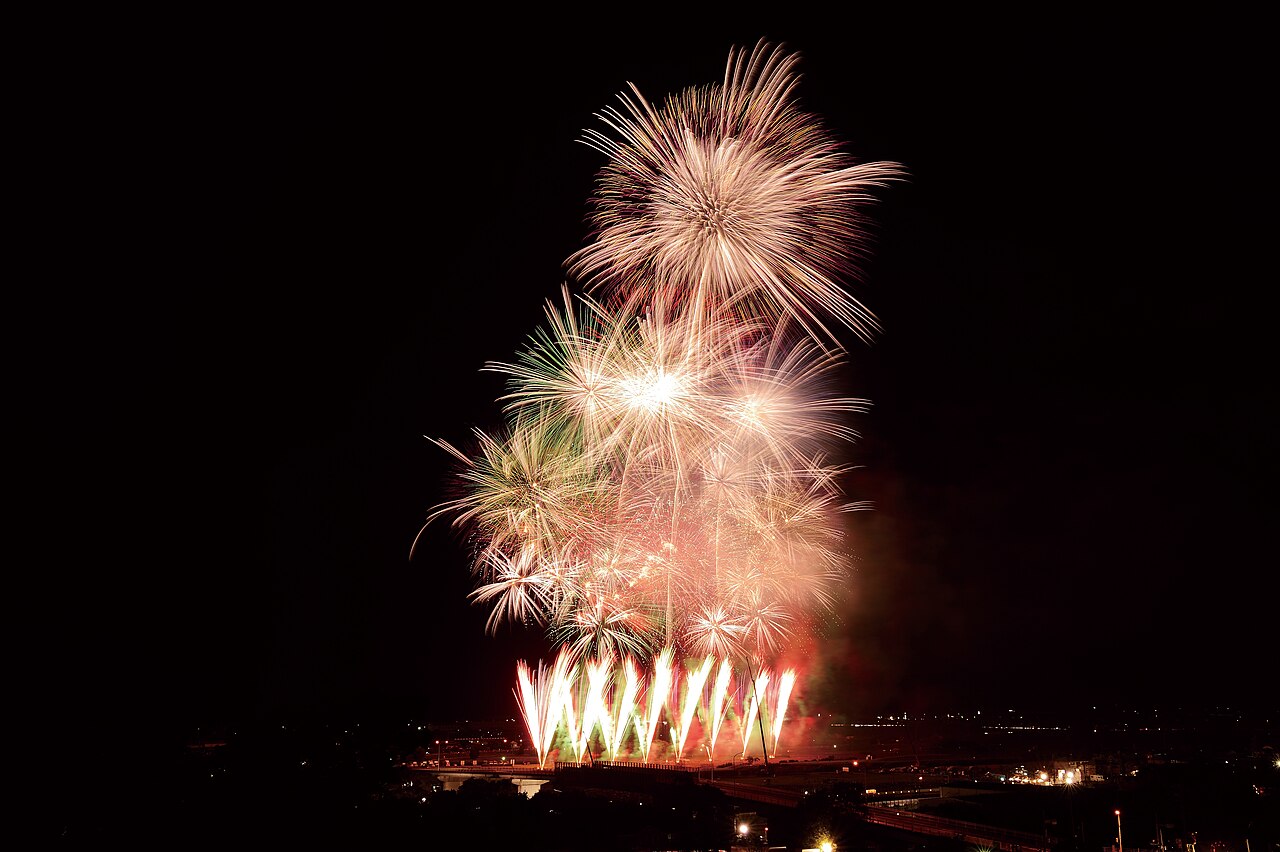
What makes Enshu different from Shimizu is that it’s an inland river-bank display rather than a harbour display — the shells are fired from platforms along the Ota River, and the finale includes a 10,000-shell “Niagara Falls” sequence where horizontally-spaced fixed platforms ignite in a cascade from upriver to downriver. Different visual style from the sky-burst-heavy Shimizu programme, and specifically popular with Japanese festival photographers because the river reflection doubles every shell.
Access: JR Fukuroi Station on the Tokaido Line, 20 minutes from Hamamatsu, 45 minutes from Shizuoka. Free entry; ¥2,000-6,000 reserved seats sold through the Fukuroi tourism office from June 1 each year. Huge car park at the sports complex but it jams from 5pm — aim to arrive by 16:30 or take the train.
Anjin Matsuri (August 9-10): the William Adams festival
Only in Japan: a mid-August festival commemorating a 17th-century English navigator. Will Adams (anglicised name Anjin, アンジン) was the English ship’s pilot who landed in Japan in 1600 with the Dutch merchant fleet, became the first Western samurai under Tokugawa Ieyasu, and settled in Ito on the Izu Peninsula where he was granted a fief. He’s also the Richard Chamberlain character in James Clavell’s Shōgun. Ito has been running an annual Anjin-themed festival since 1947 to commemorate his local legacy.
The festival runs August 9-10 each year with two main events. August 9 is the Tairyobata Parade — a marine procession of decorated fishing boats flying the traditional “big catch” fishing flags, starting at Ito harbour at sunset. August 10 is the Anjin Memorial Service at the Anjinzuka monument (a tumulus memorial inland from Ito port) followed by evening fireworks over Ito harbour — smaller than Shimizu (3,000 shells) but in a tight horseshoe bay that amplifies the sound.
Access: Ito Station on the Izukyu Line, 90 minutes from Tokyo via Atami or direct on the Odoriko. Free. A good stop if you’re Izu-peninsula-routing already; not a destination festival by itself.
Obon week (August 13-16): fire, water, dead ancestors
Japan’s Obon (お盆) festival is the mid-August Buddhist festival for the dead, and it drives much of the coastal Shizuoka summer programming. Across the prefecture’s fishing towns, obon produces three specific types of event that worth looking for:
Shoro nagashi (精霊流し, “ancestor flow”) — in Shimoda, Numazu, and several smaller Izu ports, candle-lit paper boats are floated out to sea on the evening of August 16 to carry ancestral spirits back to the afterlife. Hundreds of lanterns, silent crowds along the waterfronts, a very specific atmosphere. Not a party festival; worth seeing once.
Obon bon-odori — every neighbourhood in Japan runs some version of the obon summer dance, but the coastal Shizuoka versions often set up on temporary stages on the beach or in the harbour park. Shimoda‘s Perry Road obon is one of the more scenic; Mishima‘s city-central version is larger.
Toro nagashi fireworks — Shimoda runs a concluding fireworks display on August 15 (about 3,000 shells over the harbour), often combined with the lantern-floating — a very photogenic combination.
If you can only be in Shizuoka for one night during obon, Shimoda is the best single base — small enough to see most of the events on foot, dramatic enough setting (south-facing harbour with Perry Road and the Black Ship Memorial in view) to make the photos work.
Mishima Summer Festival (August 15-17)
Back inland, the Mishima Summer Festival (三島夏まつり) overlaps with obon and commemorates a specifically local victory: the 1180 Mishima Ketsuge, when the young Minamoto no Yoritomo (who later founded the Kamakura shogunate) defeated the Taira forces at a local garrison just before launching his successful conquest of eastern Japan. The festival blends the military-victory theme with standard obon programming.
The main procession on August 16 features about 500 costumed participants in reconstructed Heian-period military dress — different armour from the later Edo-period you see at the Shizuoka Matsuri, which makes it a worthwhile side trip for anyone interested in period costume. Also: yabusame (horseback archery) demonstrations at Mishima Taisha shrine on the Sunday morning, a proper folk-dance parade down the central Mishima-jinja approach on Saturday evening, and fireworks over the Ose-kawa river on Sunday night (about 4,000 shells).
Access: Mishima Station on the Tokaido Shinkansen (Kodama or Hikari), 45 minutes from Tokyo (¥4,290 reserved). The festival runs a 15-minute walk south of the station at Mishima Taisha.
What to see and do at a Shizuoka summer festival (the beginner’s guide)
If you’ve never been to a Japanese summer matsuri, here’s roughly what to expect and what to do:
Wear a yukata if you can. The summer cotton kimono, typically ¥5,000-8,000 to rent for a day from rental shops at major stations (Kanamachi Rental, Azuma, or Yukata House are the larger chains). It’s not a costume — actual Japanese people wear yukata to summer festivals, and you’ll feel both more comfortable and less touristy in one. Rental shops typically include the obi (sash), geta (wooden sandals), and a light bag.
Eat festival food. Shizuoka specialities to specifically look for: yakisoba (fried noodles), takoyaki (octopus balls — Kansai style but everywhere), ikayaki (whole grilled squid on a skewer), kakigori (shaved ice — the Shizuoka version uses local green tea syrup), and — specifically at Shimizu’s festival — grilled sakura-ebi (the tiny Shizuoka-specific pink shrimp). Prices typically ¥400-800 per item.
Bring a portable fan and water. Japanese summer is hot and humid. Any conbini sells small hand fans from ¥300 and cold drinks from ¥130.
Check the last train before you settle in for fireworks. Most coastal Shizuoka stations have last trains around 22:30-23:00, and the post-fireworks crowd can mean you miss the train if you don’t plan the walk. If in doubt, book local accommodation.
Combining the summer festivals into one trip
If you want to hit multiple summer events, the natural itineraries are:
- The 4-day Shimizu weekend (first weekend of August): Friday Jirocho → Saturday Kappore dance → Sunday fireworks → Monday day-trip to Nihondaira or Mount Fuji base. Base in Shizuoka city or Shimizu itself.
- The Izu Peninsula obon loop (August 13-17): Atami fireworks → Ito Anjin memorial → Shimoda obon + lantern floating → Mishima Summer Festival. 4-5 days with a rental car.
- The western Shizuoka heavy-shell weekend (mid-August): Fukuroi Enshu Hanabi Saturday + Hamamatsu / Act City Sunday. 2 days.
For the combined spring-and-summer trip (which a lot of repeat Japan visitors do), mixing the Shizuoka spring festival circuit and the summer circuit gives you a full year’s worth of Shizuoka’s event calendar in two trips.
For the broader region, Shizuoka’s summer festivals pair cleanly with a Kanagawa coast run (Hakone via Atami) or a Nagano alps escape for the cooler inland air between festival nights.
Where to stay for the main summer events
For the Shimizu Minato Festival: central Shizuoka city has the broadest hotel inventory — business hotels around Shizuoka Station start ¥9,000 for a twin during festival week, ¥6,500 on regular weekends. Shimizu itself has fewer rooms but getting them means a 5-minute walk to the parade vs a 15-minute train. Book at least 6 weeks out for Saturday of festival weekend.
For the Fukuroi fireworks: Hamamatsu is the better base (20 min away by train, broad inventory) than Fukuroi itself (limited rooms). Business hotels around Hamamatsu Station ¥8,000-14,000.
For the Izu obon circuit: base in Atami for the north-Izu programme (Atami Hanabi, Ito Anjin Festival) — huge onsen-resort inventory, ¥15,000-40,000 range mostly. For Shimoda obon, stay in Shimoda itself (small inventory, book 6-8 weeks ahead) or in nearby Shirahama at the beach hotels.
Booking.com’s Shizuoka listings cover all three clusters with festival-week pricing visible when you filter by dates.
Is the Shizuoka summer festival circuit worth timing a trip around?
For the Shimizu Minato Festival specifically — yes, unambiguously. This is one of Japan’s better coastal summer matsuri, free, accessible from Tokyo in under 90 minutes, and with all three headline events (procession, dance, fireworks) in a neat three-day window. It’s an event Tokyo locals plan annual trips for, which is a reasonable quality signal.
For the Mt Fuji climb — yes, if you specifically want to climb Fuji. The July-September window is the only time the trails are safe and the huts are open. But the climb itself is an outdoor experience, not a festival experience, and shouldn’t be conflated with the Yamabiraki ceremony.
For the Izu obon circuit — yes, if you’re comfortable with the humidity and if you want to see Japanese coastal obon done at small scale. The lantern-floating and shoro nagashi events are genuinely moving and not really reproduced at the bigger tourist festivals.
For a first-time Japan traveller on a fixed Tokyo-Kyoto itinerary — maybe not. Shizuoka’s summer festivals reward being in the prefecture already or having the flexibility to pivot. Plan a second trip for them.
FAQ
When is the Shimizu Minato Festival exactly?
First Friday to Sunday in August every year. In 2026: August 7-9. In 2027: August 6-8. Fireworks are always Sunday evening, usually 19:30-20:30.
Do I need to book tickets for any of the main summer events?
Not for general admission — all the main parades and fireworks are free. Reserved seating (usually ¥2,000-5,000) is available for the big fireworks events but is a nice-to-have rather than essential. General viewing spots for Shimizu’s fireworks open along about 1km of waterfront; even at peak crowd, everyone can see the shells.
Can I climb Mt Fuji during the festival season without a booking?
You can climb without a hut booking — many people do the overnight ascent without sleeping. But you should register at the trailhead with the climbing ID system (implemented 2024) and pay the ¥2,000 climbing fee. Trying to summit without any rest at altitude is genuinely risky; budget for at least a few hours in a hut if you can.
Is it safe for kids at the festivals?
Yes. Japanese summer festivals are family events. The Shimizu Minato Kappore dance in particular is designed as a multigenerational parade — you’ll see kids and grandmothers in the same yukata rows. Fireworks nights can get crowded and sticky-hot; bring water and consider reserved seating if you’re with young children who can’t handle the standing crowds.
What’s the food situation during a Shizuoka summer festival?
Festival-stall food is plentiful, usually ¥300-800 per item, and mostly exactly what you’d expect (yakisoba, takoyaki, shaved ice). For a proper sit-down meal during festival week, book ahead — the good restaurants in Shimizu and Shimoda fill to capacity by 18:00 on festival nights. Conbini around the stations are the low-risk backup.
Is it too crowded to enjoy if I’m travelling solo?
No. Japanese festival crowds are dense but orderly — you won’t feel unsafe and you won’t feel invisible. The festivals are specifically designed to be enjoyable for solo attendees (every corner has food stalls, there’s no seating that requires a group, and the dance parades are participatory for anyone who wants to join the outer rows).
Are the festivals tattoo-friendly?
Outdoor festival venues are generally tattoo-accepting — you’ll see a mix of attendees with visible ink and the festivals don’t enforce a dress code. Issues arise only if you’re going to an associated onsen or bathhouse afterwards, where tattoo policies still apply. The rental yukata covers most tattoos by default.


_in_Port_of_Shimizu.JPG)