
Northern Tochigi has a highland plateau that the Japanese imperial family has been spending summers on since 1926, and that almost no foreigners ever see. Nasu (那須, Nasu) is the resort half of it — onsen, ryokan, dairy farms, a still-smoking volcano, a safari park where they put you on a bus shaped like a lion. Nakagawa (那珂川, Nakagawa, “middle river”) is the quiet half, a river valley dropping east off the plateau into the Kanto plain with shrines older than most English towns. They sit either side of a thin ridge, they share the same water system, and they sell themselves as a single package under the Nasu Kogen brand.
In This Article
- Quick facts
- What Nasu actually is (and why the imperial family goes there)
- Nasu Yumoto Onsen: the 8th-century bath
- The ropeway and Mt Chausu
- The plateau: dairy farms, safari, outlet
- Nasu Kogen’s ryokan scene
- Nakagawa: the quiet river valley
- Getting around (and why you probably want a car)
- Nasu dairy (and why it’s a real thing)
- Is Nasu worth a two-day stop?
- FAQ
- How much time do I need?
- Can I visit the Nasu Imperial Villa?
- Is there English signage?
- Is Shika no Yu OK for beginners?
- Can I combine Nasu with Nikko on the same trip?
- What’s the story with Sessho-seki (the killing stone)?
- Is there decent food in the area?
If you’re looking at Tokyo on a map and wondering what the closest piece of genuine countryside is — not theme-park countryside, not Hakone’s resort theatre — this is it. 80 minutes on the Tohoku Shinkansen, 30 minutes in a local bus or rental car, and you’re standing in a hot-spring bath that’s been running since the 8th century.
Quick facts
- Where: Nasu District, northern Tochigi Prefecture. Covers Nasu town, Nasu-Shiobara city, and Nakagawa town. 150km north of Tokyo.
- Getting there: Tohoku Shinkansen from Tokyo to Nasu-Shiobara Station (75-80 min, ¥5,700 unreserved). Local bus from station to Nasu Yumoto Onsen terminus: 60 min, ¥900. By car: Tohoku Expressway, Nasu IC exit, 20 min to Yumoto.
- Hours: Varies — most sights are open 9:00-17:00. The Nasu Ropeway runs 8:30-16:30 March-November (closed December-February).
- Cost: Nasu Ropeway ¥2,000 round trip. Shika no Yu public bath ¥500. Nasu Safari Park ¥2,800 adult / ¥1,900 child. Heisei-no-Mori Forest free.
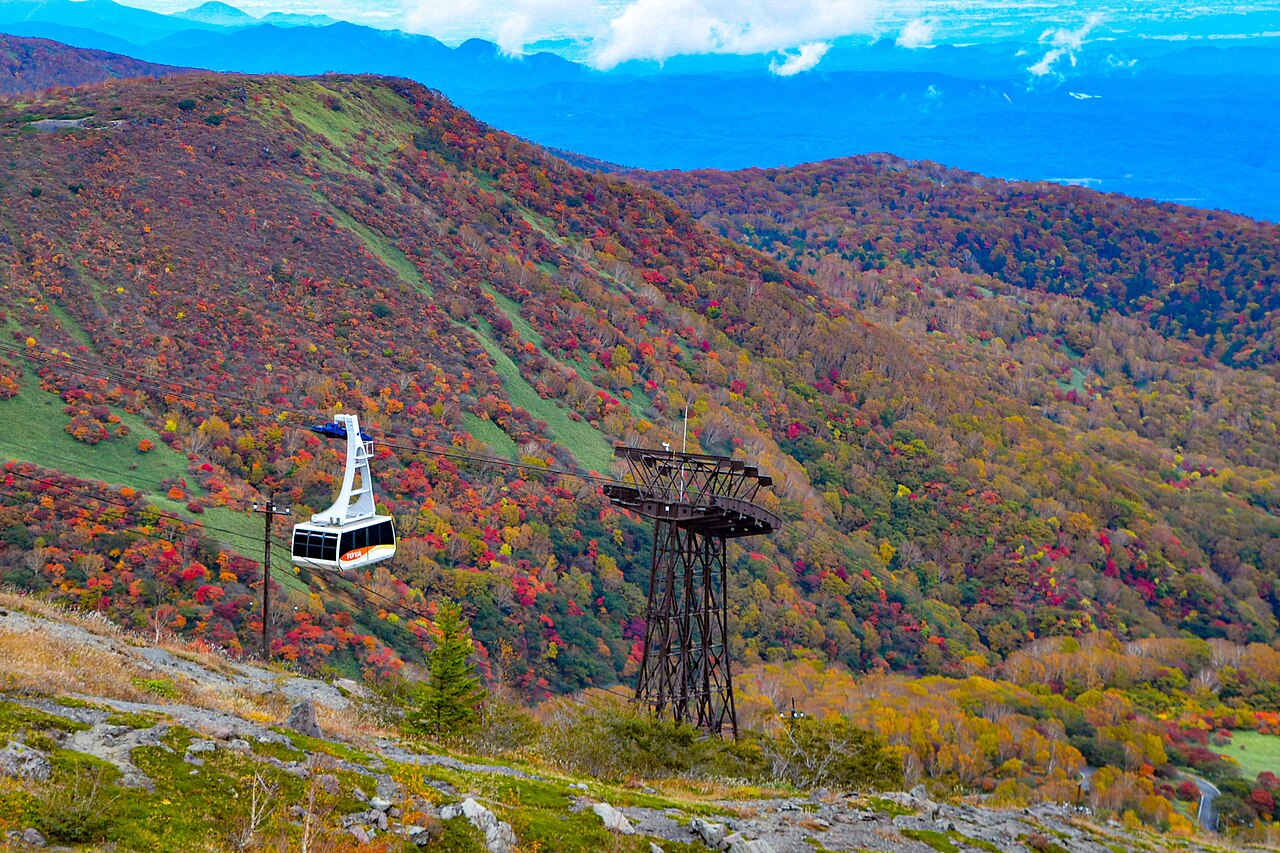
- When to go: October for the koyo (autumn colour) fire on Mt Nasu — the most photographed thing in the prefecture. May-June for rhododendrons. Avoid February (ropeway closed, roads sometimes cut) and Obon week in August (Japanese domestic tourism peak).
- Official sites: Visit Tochigi — Nasu Area, Nasu Kogen Tourism Association.
What Nasu actually is (and why the imperial family goes there)
Nasu’s emperor story is not decorative — it’s the reason the area developed the way it did. The Nasu Imperial Villa (那須御用邸, Nasu Goyōtei) was completed in 1926 under the Taishō Emperor and has been used continuously as a summer residence ever since. The current Emperor and Empress spend two weeks there most Augusts. What follows from that is the entire local infrastructure: the roads are over-specified, the utilities are buried where elsewhere in rural Tochigi they’re on poles, and a generation of premium ryokan operators set up in the region between 1930 and 1960 because imperial patronage made the area prestigious to visit.
The villa itself is not open to the public — security fencing, forest, forget about seeing anything. But the Nasu Heisei-no-Mori Forest (那須平成の森), which was part of the villa grounds until 2011 when it was transferred to the public, is a 560-hectare old-growth mixed woodland that the imperial household maintained for nearly a century. Trails run for 3-8 km; entry is free; the longest route ends at Komadome Falls, a narrow plunge pool with water the specific cold blue you get from deep forest snowmelt. Worth the walk even if you’re not into hiking.
Nasu Yumoto Onsen: the 8th-century bath
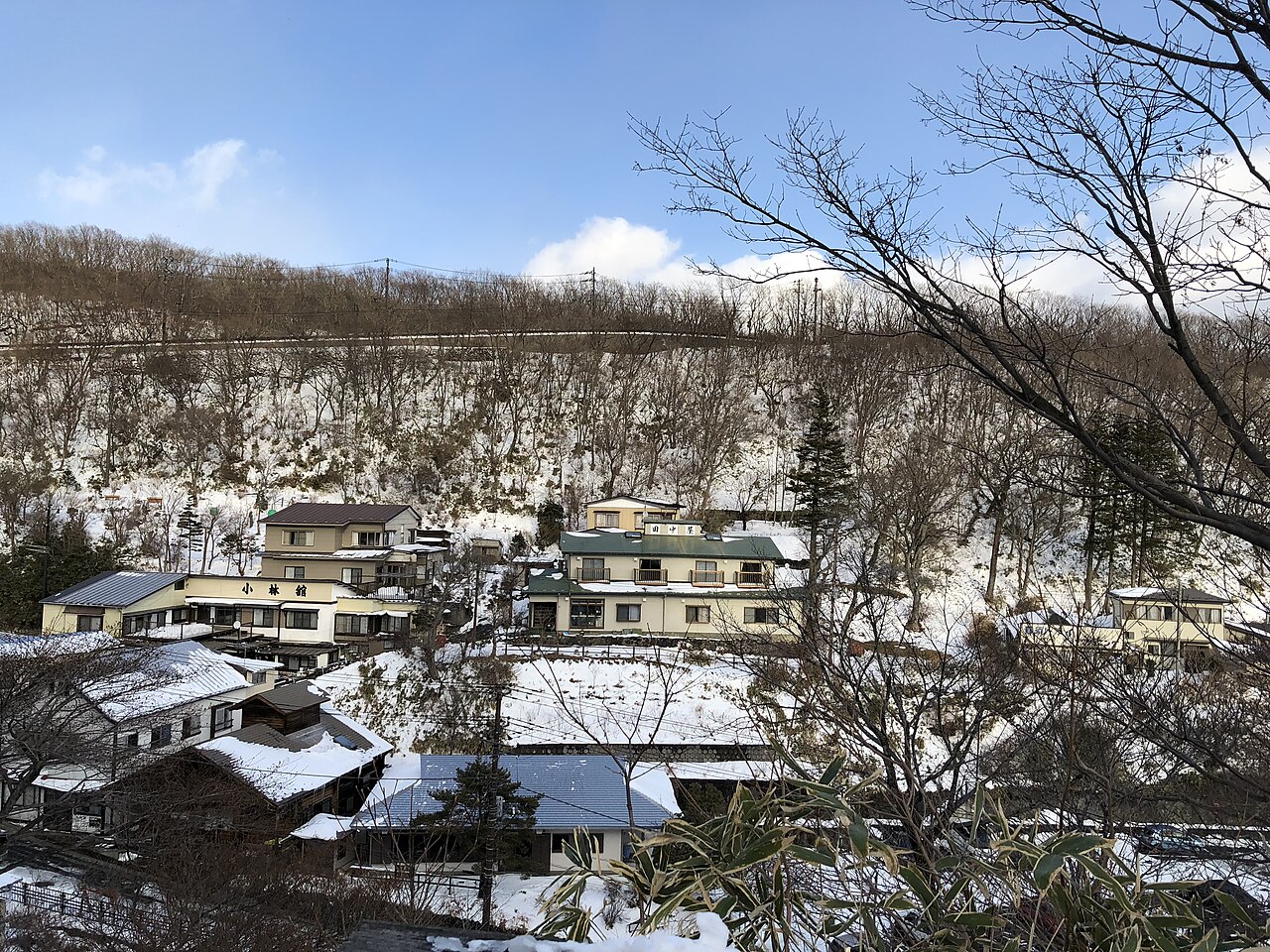
The original settlement on the Nasu plateau is Nasu Yumoto Onsen (那須湯本温泉), a hot-spring village at 600m altitude on the southeast flank of Mt Chausu. The hot water comes from a fumarole field behind the village called Sessho-seki (殺生石, “killing stone”) — an acidic volcanic vent that’s been venting hydrogen sulfide gas for at least 1,300 years, sometimes fatally to passing animals. The famous rock at its centre cracked in half in March 2022 (you may have seen the Twitter moment); the rope still hangs from it and the tourist board has leaned into the folklore.
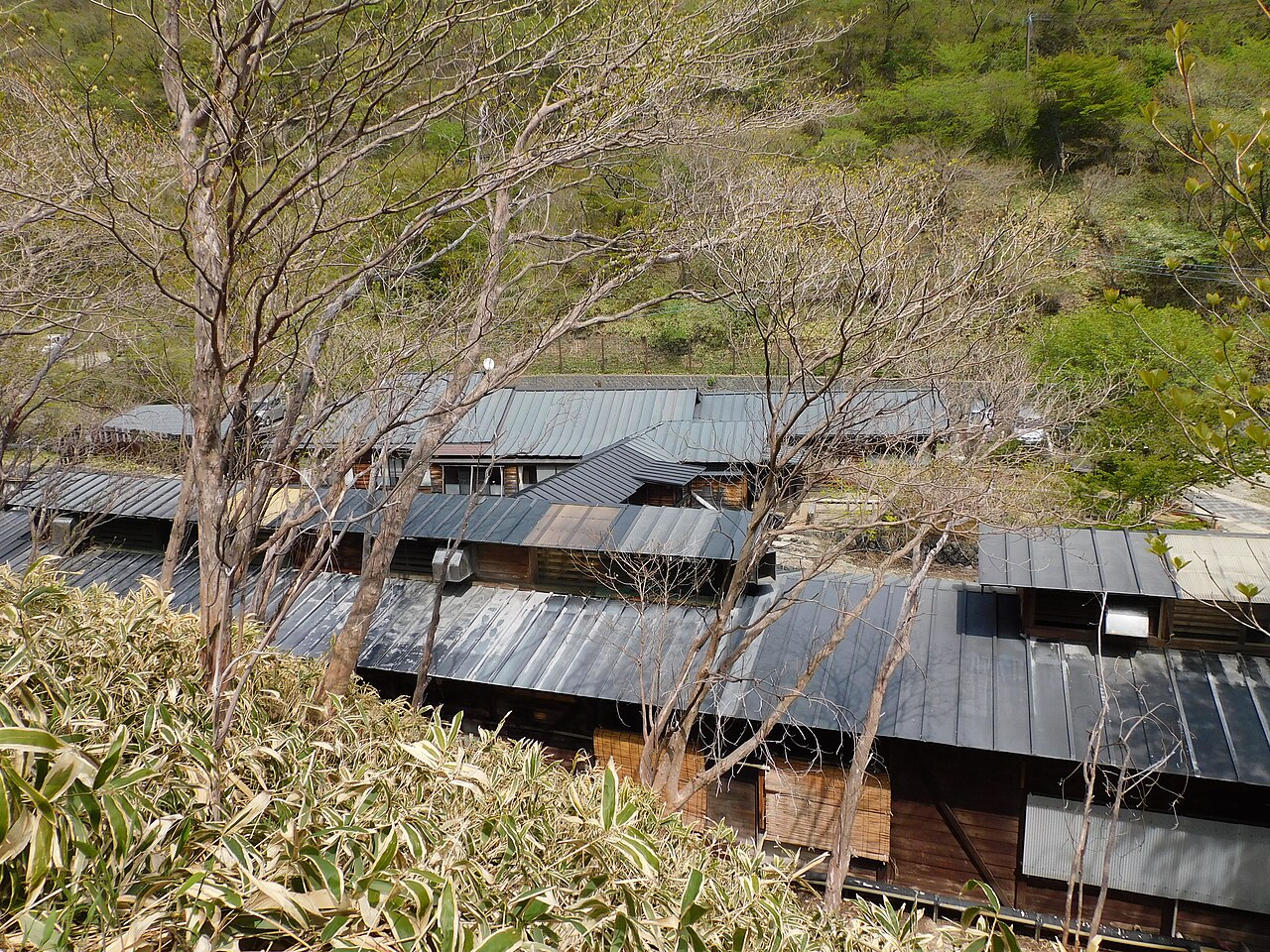
The bath you should aim for is Shika no Yu (鹿の湯, “deer’s spa”), a public bathhouse that traces its founding to 738 CE. The legend says a hunter following a wounded deer found the animal bathing in the hot spring and healing itself — the pattern of a thousand founder-myths for Japanese onsen. What’s exceptional about Shika no Yu is that the building and the practice have changed very little. There are six pools in the main bath hall, graduated from 41°C to 48°C, and the proper sequence is to rinse, hammer the hot water over your shoulders 200 times in short bucketfuls (the kaburi-yu ritual), and work up through the pools. 48°C is genuinely hot — you’ll last about ninety seconds — and afterwards you’ll feel like your skin is a different texture. ¥500 entry, open 08:00-18:00, no tattoos tolerated.
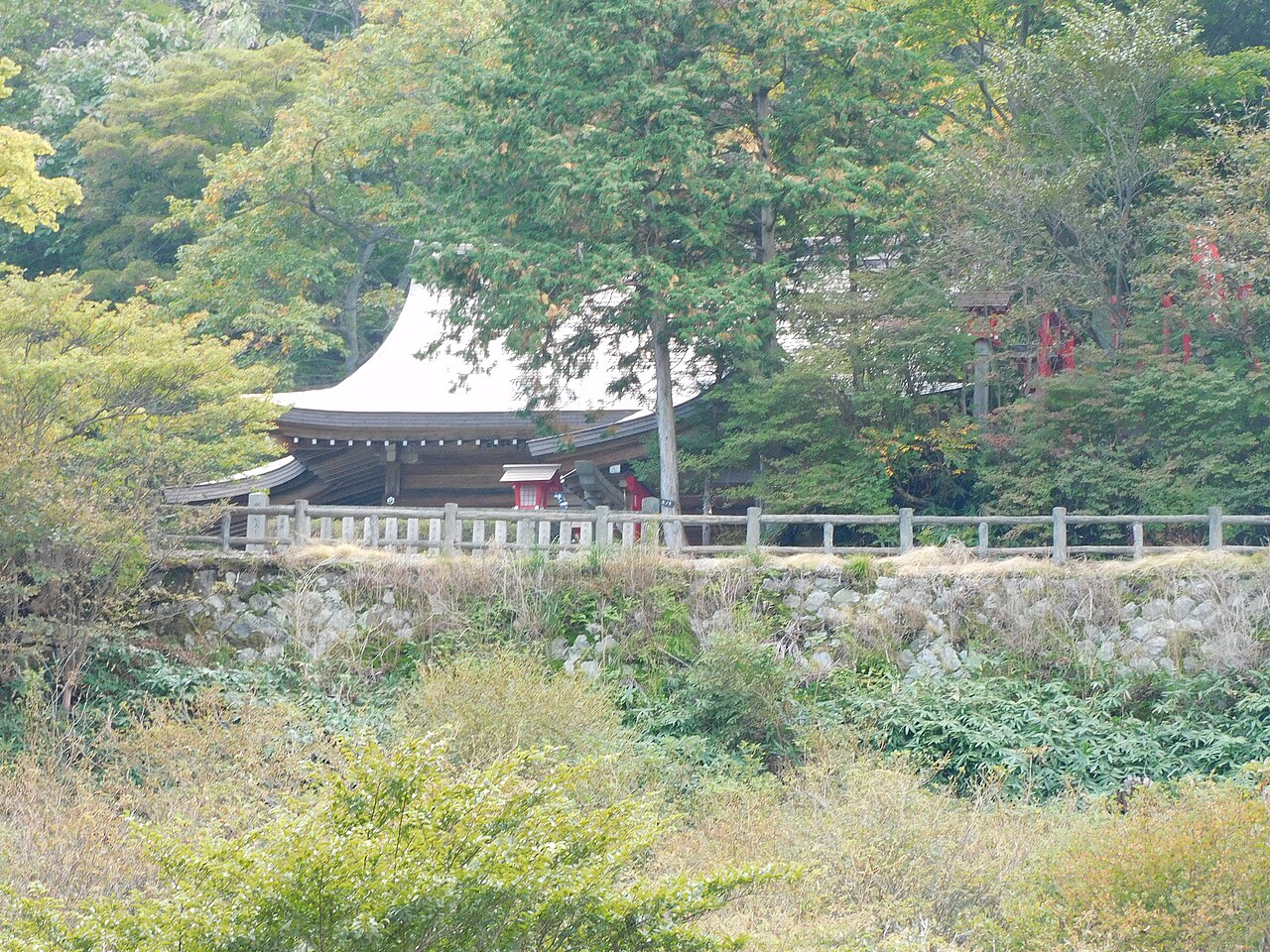
Across the road from Shika no Yu is Nasu Onsen Shrine (那須温泉神社, Nasu Onsen Jinja, also read Yuzen Jinja), a 9th-century Shinto shrine dedicated to the god of the hot springs. Small, quiet, rarely has more than ten people in it. Stop in, wash your hands at the temizuya, and note the stone-fox pairs — foxes are sacred at Nasu because of the Sessho-seki nine-tailed-fox myth (the killing stone is supposed to be the transformed corpse of a nine-tailed fox from Chinese legend; it’s the kind of story you’d dismiss as embroidery until the rock actually did split dramatically in 2022).
The ropeway and Mt Chausu
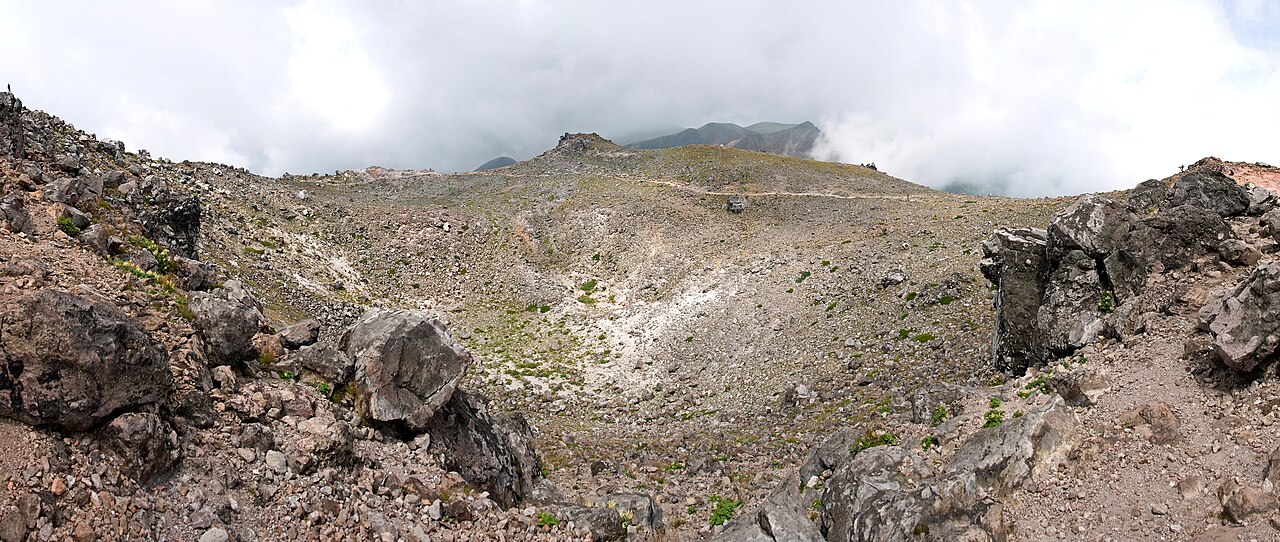
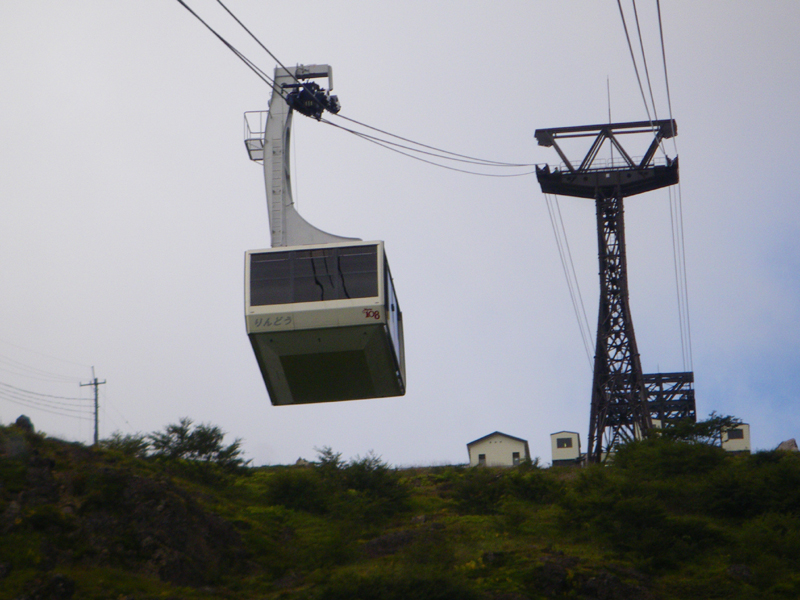
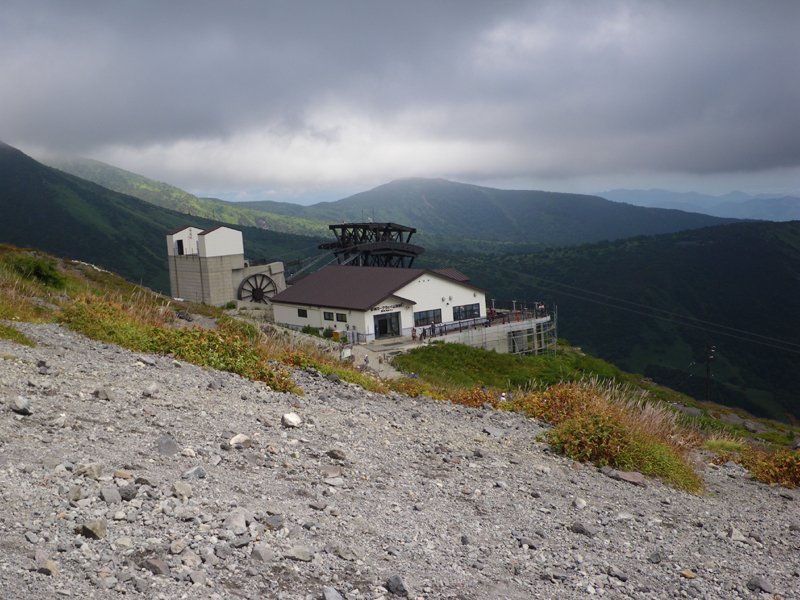
The Nasu Ropeway (那須ロープウェイ, Nasu Rōpuwei) runs from a base station at 1,390m up to a summit station at 1,684m on Mt Chausu’s shoulder. The gondolas hold 111 people and depart every 20 minutes; the ride itself takes four minutes and the view on a clear day covers the whole northern Tochigi plateau. ¥2,000 round trip, ¥1,200 one way if you plan to hike down.
From the summit station you have three options. Option A: walk ten minutes to the Chausu crater rim viewpoint, take your photos, ride the ropeway down. That’s what 80% of visitors do. Option B: do the full 40-minute scramble to the 1,915m summit over the scree field — steep, loose rock, proper shoes mandatory, the view at the top covers most of the Tohoku volcanic arc on a good day. Option C: traverse east along the ridge to Mt Asahi (1,896m) and down to Sandogoya Mountain Hut, 2.5 hours of walking total, then the descent trail back to Yumoto. This is serious hiking and you want a map.
The plateau: dairy farms, safari, outlet
Between Yumoto and the Nasu-Shiobara train station, spread across the mid-altitude plateau (400-800m), sits the resort half of Nasu. This is where the day-tripper attractions live — the ones Japanese families with small children come for. You can genuinely skip most of them as an adult traveller; the onsen and the mountain are what’s special. But two are worth mentioning.
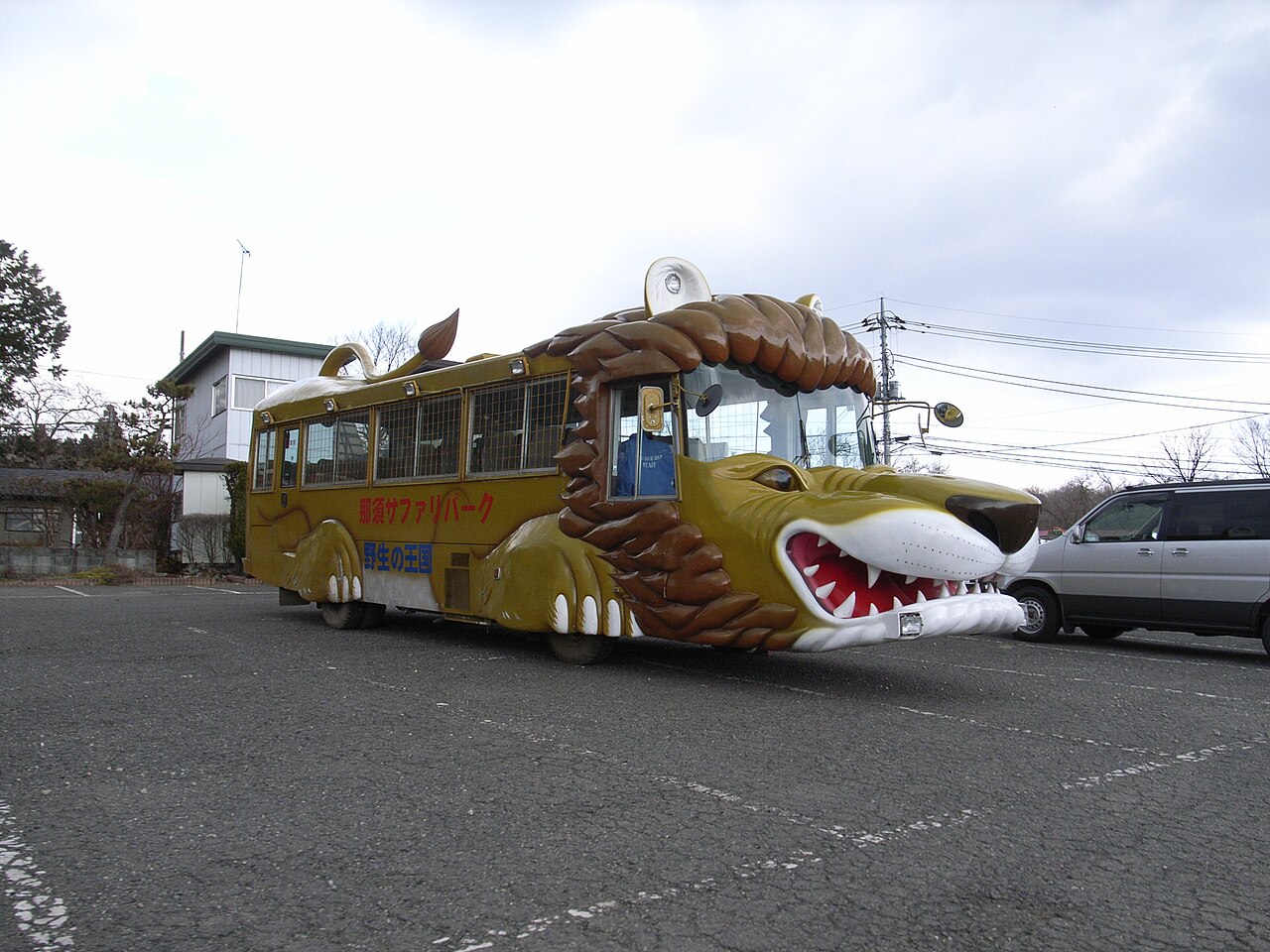
Nasu Safari Park is a drive-through zoo. You either take your own car around the circuit (¥800 per person on top of a ¥2,800 entry, feeding feasible from the vehicle) or you ride one of the animal-shaped feeding buses — the lion bus, the tiger bus, the rhino bus. The lion bus is the one that goes viral every time a foreign tourist films it, because at the lion pen, the staff pass chunks of raw meat through the bus’s side hatches and lions climb onto the bus’s outside to take them. It’s as close to a big cat as most people get outside their nightmares. ¥4,000 combined bus + entry. Closes 16:30.
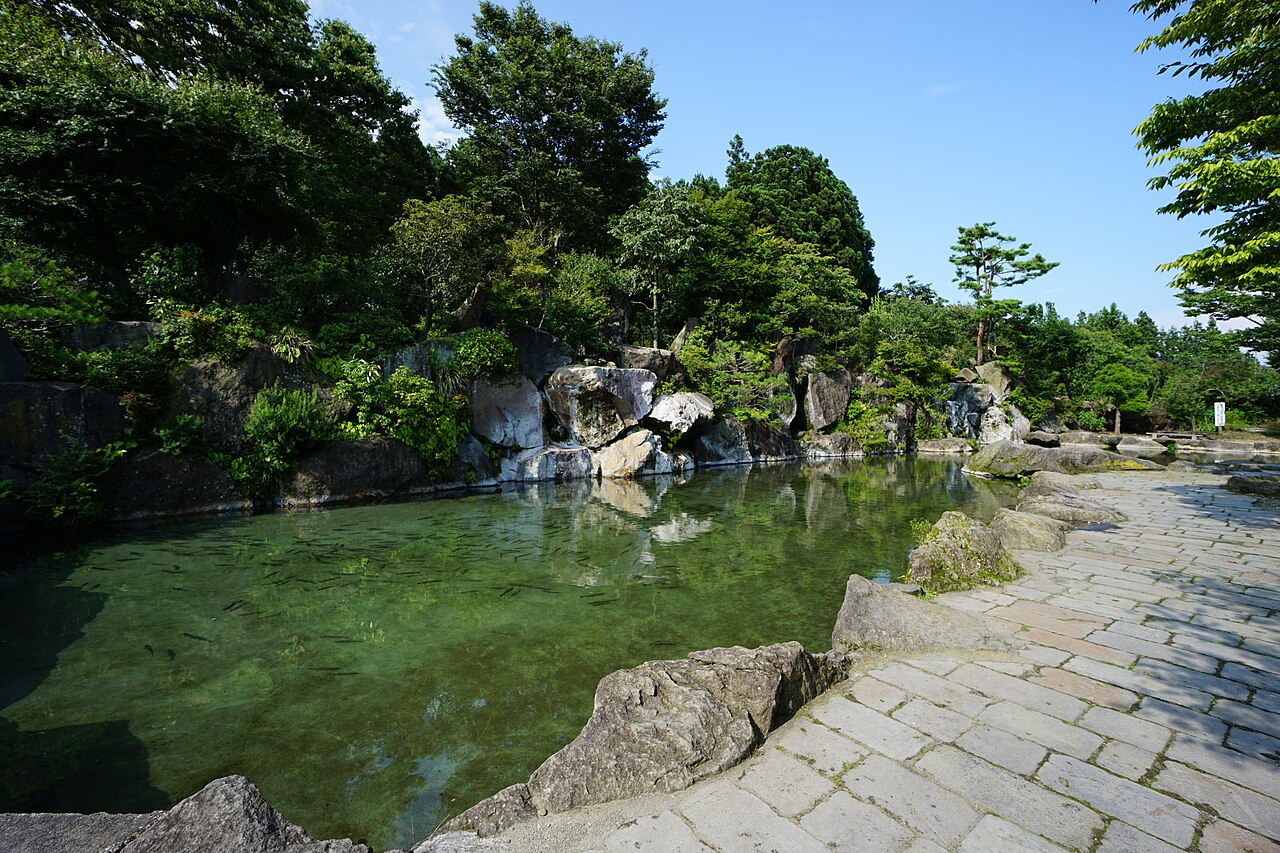
Nasu Kogen Seiryu no Sato is a mountain-spring park — a clear-stream fishing pond, a trout farm, a restaurant that grills your catch, a small rhododendron garden. It’s low-key in a good way. If you have an afternoon and you’ve done the mountain, coming here for a two-hour stretch of walking, fishing, and grilled fish is a reasonable way to spend it. ¥500 park entry, ¥2,000-3,000 per person for a fishing-and-grill session.
The other big-ticket day-trip attraction is Nasu Garden Outlet, a Mitsui-operated 150-shop outlet mall near the Kinugawa River. Unless you came specifically for Japanese-market brand bargains, skip it — it’s the same chain layout as Jazz Dream in Mie and you can do the same shopping at an outlet closer to wherever else you’re going.
Nasu Kogen’s ryokan scene
Nasu’s position as an imperial resort town means its traditional ryokan are a different tier from what you find in most Tochigi onsen villages. The flagship properties sit on the south slope of the plateau at around 600-900m altitude and stretch to serious five-star pricing — ¥40,000-80,000 per night for a room with kaiseki dinner, private onsen, mountain view. You’re paying for Meiji-era architecture, a property that might be 80 years in the same family, and a service culture that is genuinely different from city hotels.
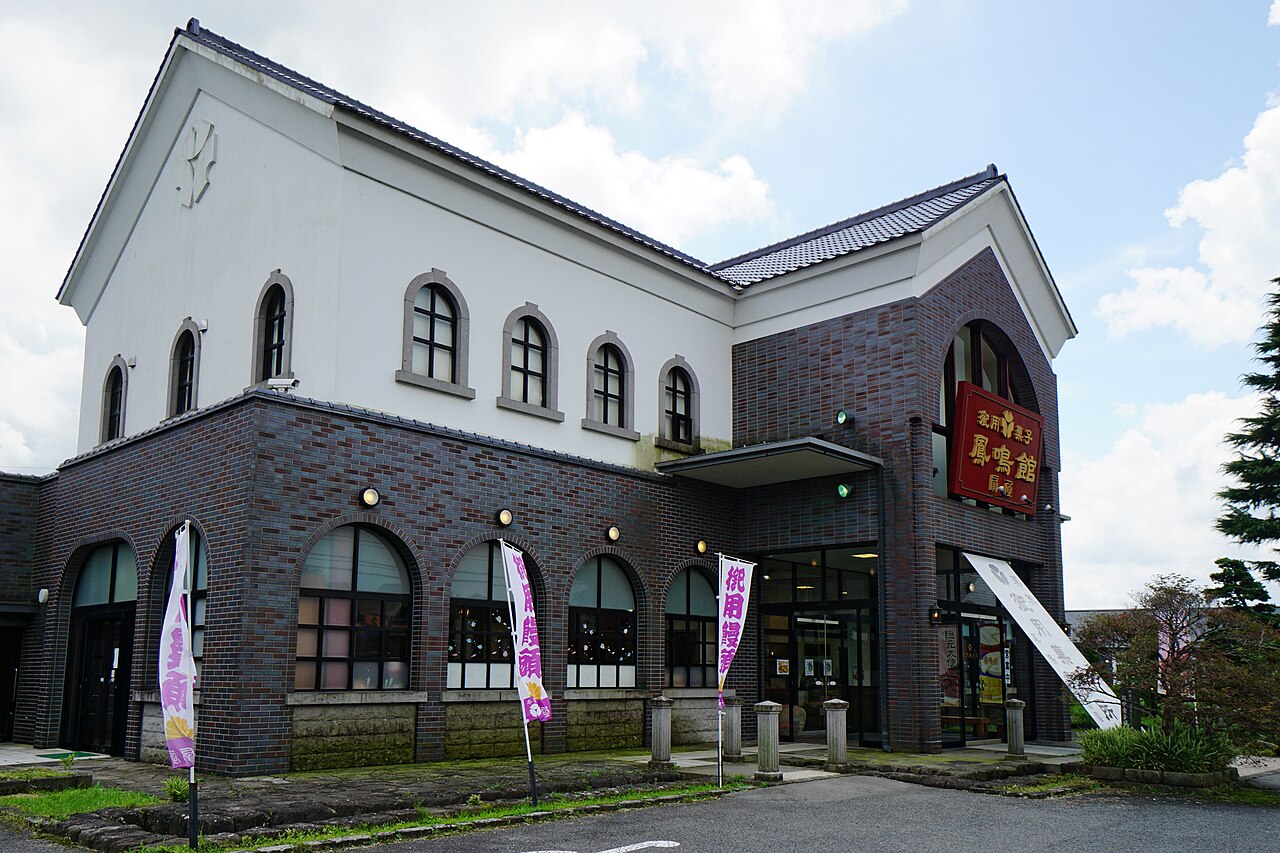
If that’s out of budget, the Yumoto village has four or five family-run ryokan in the ¥12,000-18,000 range that include onsen access and usually a simple dinner. And if you really want to go cheap, Nasu-Shiobara city (30 minutes down the valley) has standard business hotels from ¥7,500. Booking.com’s Nasu Onsen area listings cover the full price spread.
Nakagawa: the quiet river valley
Here’s the bit the backlinks actually named: Nakagawa. It’s a small town 20km east of Nasu, off the plateau in the river valley. Foreign visitors rarely make it here because there’s no ropeway, no safari park, no outlet mall. What there is: two good shrines, river-trout restaurants, a canoe-friendly stretch of the Nakagawa river itself, and the kind of quiet countryside that Japanese tourists go looking for when they’re burnt out on the Nasu plateau’s resort infrastructure.
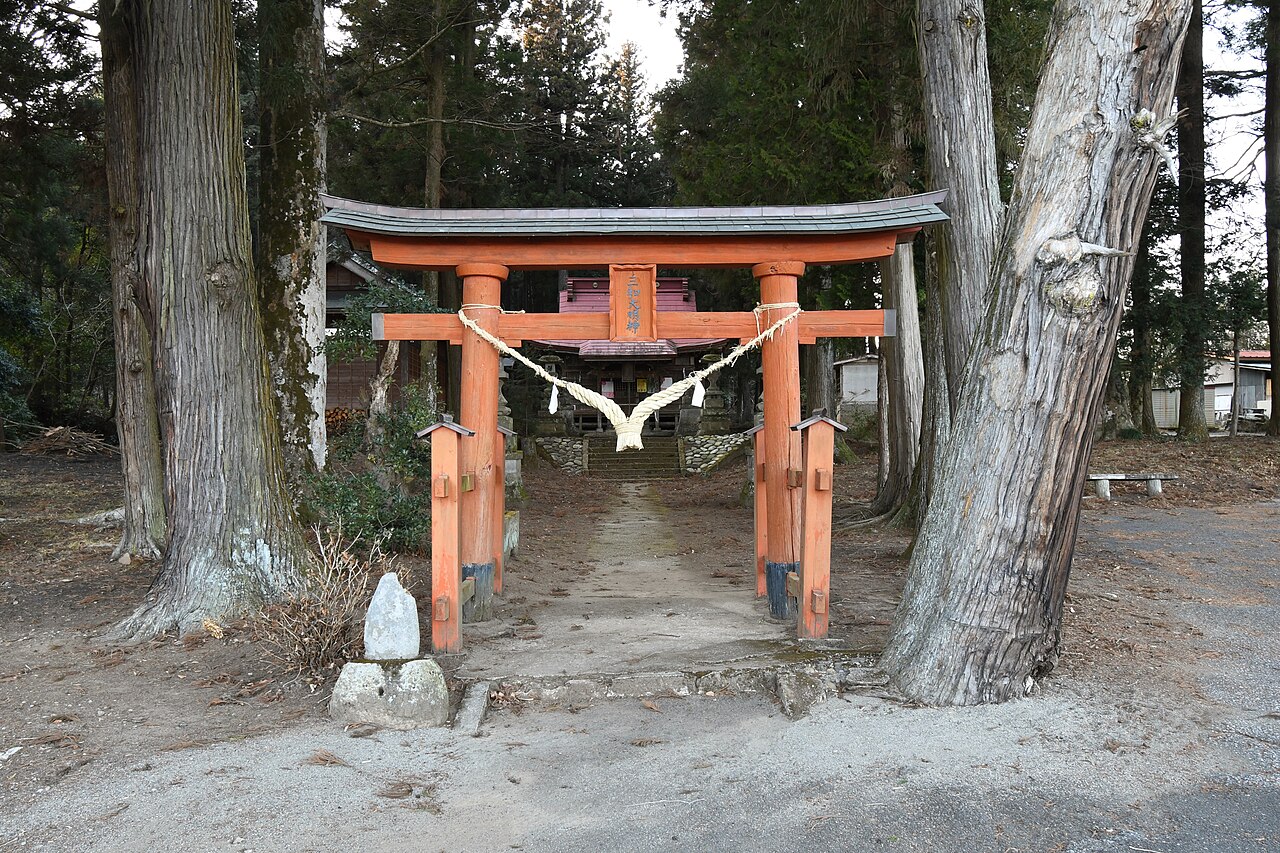
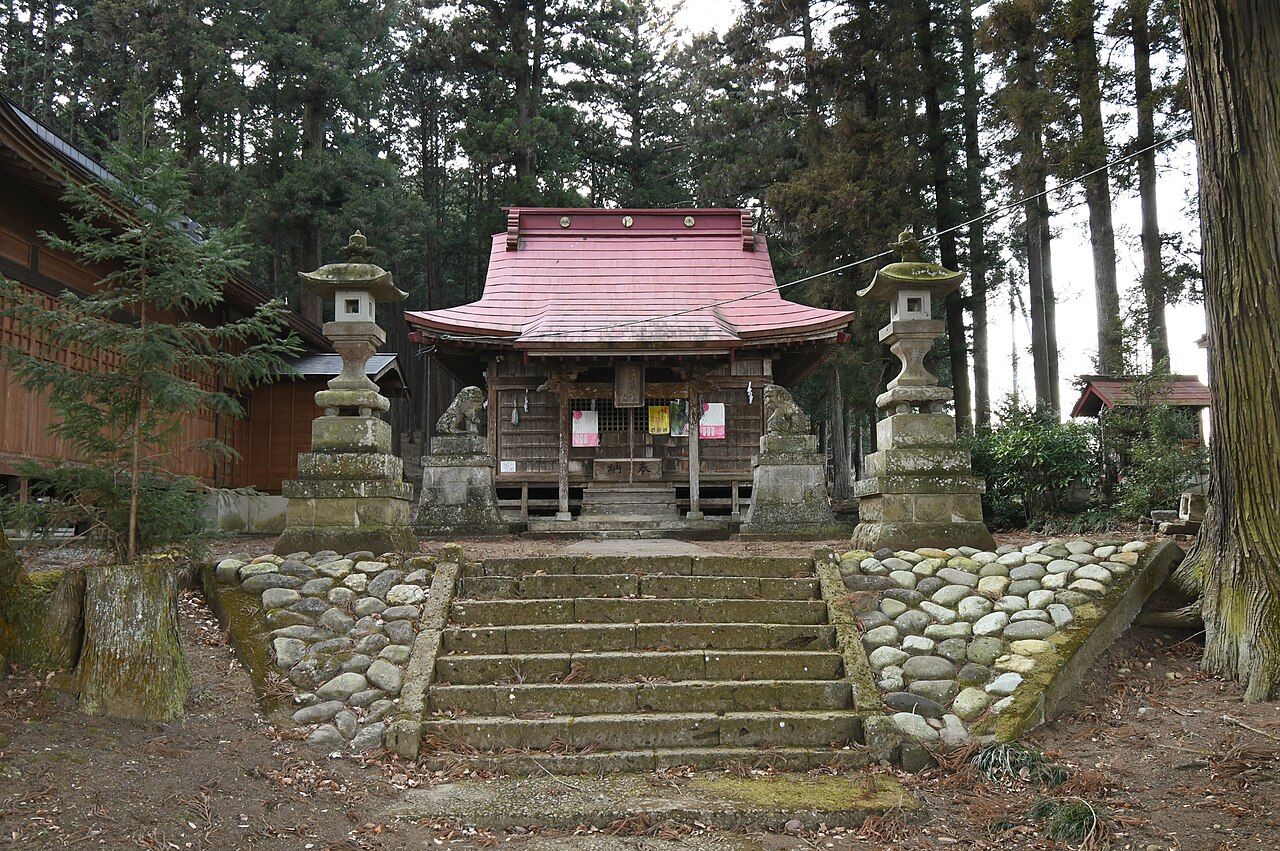
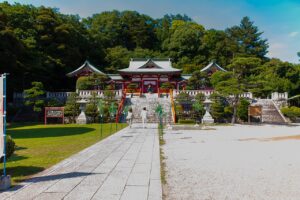
The main draw is Miwa-jinja (三輪神社), a 13th-century Shinto shrine on a small hill above the town office. The precinct is covered in cryptomeria (sugi), some of them 400+ years old — the tree-ring signatures of the main shrine’s cross-beams match the 1270s. The haiden (prayer hall) and honden (main hall) are both designated Tochigi prefectural important cultural properties.
Beyond the shrine, Nakagawa is a wander-around kind of place. The Nakagawa river runs north-south through the valley and is one of the better canoeing rivers in eastern Honshu — gentle Grade 1-2 water, clear, trout-populated. A couple of local operators run canoe-rental and guided-paddle days from May to October. The river also has ayu (sweetfish) in summer and the local restaurants do them plain-grilled with salt, which is worth driving out of your way for. Kamameshi-style dishes (rice cooked in iron pots over coals with the grilled fish on top) are the regional speciality — ¥1,200-1,800 per plate at the river-side places near Bato town.
Getting around (and why you probably want a car)
Nasu and Nakagawa were both built for the automobile age. The train gets you to Nasu-Shiobara station; the local bus gets you to Yumoto village; but everything else — the safari park, the outlet, the Heisei-no-Mori forest, the Nakagawa shrines, the river restaurants — is spread across a 20km radius of rolling hill country with buses that run twice a day. You can do a Nasu-only day trip by bus. You can’t do a Nasu + Nakagawa + ropeway + ryokan trip without a car.
Renting: Orix, Nippon Rent-a-Car, and Toyota Rental all have Nasu-Shiobara station branches. Compact car with an ETC toll card, ¥7,000-9,000 per day, full-day reservations walk-in if you’re not going in a peak week. Driving Japanese highways is generally easier for foreign drivers than driving Japanese cities — signs are well-posted, traffic is orderly, and the Nasu-area roads are light outside of peak-season Sundays.
Without a car: base yourself in Nasu Yumoto (take the direct bus from the station), book your ryokan, walk to the onsen and shrine, take the ropeway up Chausu, and accept that you’re skipping the outlet, the safari, and Nakagawa. This is a completely reasonable plan if what you came for is the hot spring and the mountain.
Nasu dairy (and why it’s a real thing)
Nasu has been Japan’s premium dairy producing region since the Meiji era — the imperial household’s tastes drove a premium-quality dairy industry in the plateau from the 1890s onwards, and the Nasu name is still the Waitrose-level quality mark on milk, cheese, and ice cream in Japanese supermarkets. You’ll see it everywhere locally as the famous soft-serve (sofuto) ice cream at roadside stands — the standard 300-yen cup is a working dairy farmer’s baseline product, not a tourist thing, and it’s miles better than anything produced at that price elsewhere.
Two specific places if you care: Nasu Senbonmatsu Farm for the farm-shop ice cream and cheese counter, and Chez Moi in the south of Nasu plateau for proper cow-to-counter ice cream. Both are drive-up-and-park operations, no reservations, open 9:00-17:00 roughly year-round.
Is Nasu worth a two-day stop?
For a Tokyo-based traveller who wants to see rural-ish Japan without committing to the full Tohoku journey — yes, easily. It’s a shinkansen day-out if you’re tight on time, or a one-night ryokan overnight that combines Shika no Yu, the ropeway, and a reasonable dinner for well under the Hakone equivalent. Domestic tourists rate Nasu just below Hakone and Karuizawa for a reason: it works, at every price point.
For a two-week Japan itinerary with Kyoto and Osaka already booked — probably not a priority. Nasu is competing for that slot against Nikko (an hour south, massively more famous, better for first-time visitors), Aizu in Fukushima (two hours north, more historical depth), or the Hokkaido onsen circuit if you’ve got the time. Nasu wins if your priorities are quiet, altitude, and 8th-century bathhouses; it loses if your priorities are cultural monuments or big-name sights.
For a second trip to Japan — this is exactly where you should be. Nasu is the kind of place where you realise how much depth there is to the country outside the top-ten list, and Nakagawa is the kind of place where you realise how much depth there is to Nasu itself.
FAQ
How much time do I need?
Minimum one full day (for the ropeway + Shika no Yu + a late lunch in Yumoto). Ideal is two days and one night in a Yumoto ryokan, which lets you do the mountain on day one, Nakagawa + dairy stops + Miwa-jinja on day two. Three days is only necessary if you want to do serious hiking across the Chausu-Asahi ridge or add the safari park for kids.
Can I visit the Nasu Imperial Villa?
No — the villa itself is closed to the public and heavily secured. The surrounding Heisei-no-Mori Forest (which was transferred out of the villa grounds in 2011) is open and free.
Is there English signage?
Mixed. The major attractions (ropeway, safari park, outlet) have good English. The village of Yumoto itself has minimal English — expect to point at maps and use Google Translate’s camera function. Most ryokan have at least one English-capable staff member at reception, but dinner service in traditional ryokan is almost always in Japanese only.
Is Shika no Yu OK for beginners?
Yes, if you know the rules: nude bathing, no tattoos (cover small ones with patches), rinse before entering any pool, no photography. The 41°C pool is the gentle starter. If you’ve never done a Japanese public bath, Shika no Yu is a fine place to learn because the ritual is still properly observed — the older regulars will quietly correct newcomers, usually in English if the person looks foreign.
Can I combine Nasu with Nikko on the same trip?
Yes — they’re both in Tochigi but two hours apart by car (no direct train), so it’s a two-night combined trip rather than a day trip each way. Nikko makes sense as day one (mausoleums, Kegon Falls), Nasu as day two with an overnight in Yumoto, back to Tokyo on day three.
What’s the story with Sessho-seki (the killing stone)?
Folklore: a nine-tailed fox demon possessed a Japanese emperor’s concubine in the 12th century, was exposed and hunted down, and died transformed into a stone that emitted poisonous gas whenever animals approached. A Buddhist monk exorcised it and broke it into pieces in 1385; the fragment at Nasu is supposedly the cursed core. Science: it’s a vent in the Sessho-seki fumarole field that emits hydrogen sulfide. Both readings got exciting again in March 2022 when the rock visibly cracked in half — the tourism board keeps the mythological version front and centre in the signage.
Is there decent food in the area?
Yes — dairy-country cuisine is the strong suit, specifically: grilled Nasu beef (not Wagyu-grade but serious dry-aged steak), river-trout kamameshi in Nakagawa, hand-made noodles (teuchi soba) across the plateau, and Nasu-dairy ice cream at every layby. Skip: the “theme park” style cafés around the outlet mall, most of which are generic and overpriced.
_01.jpg)


