
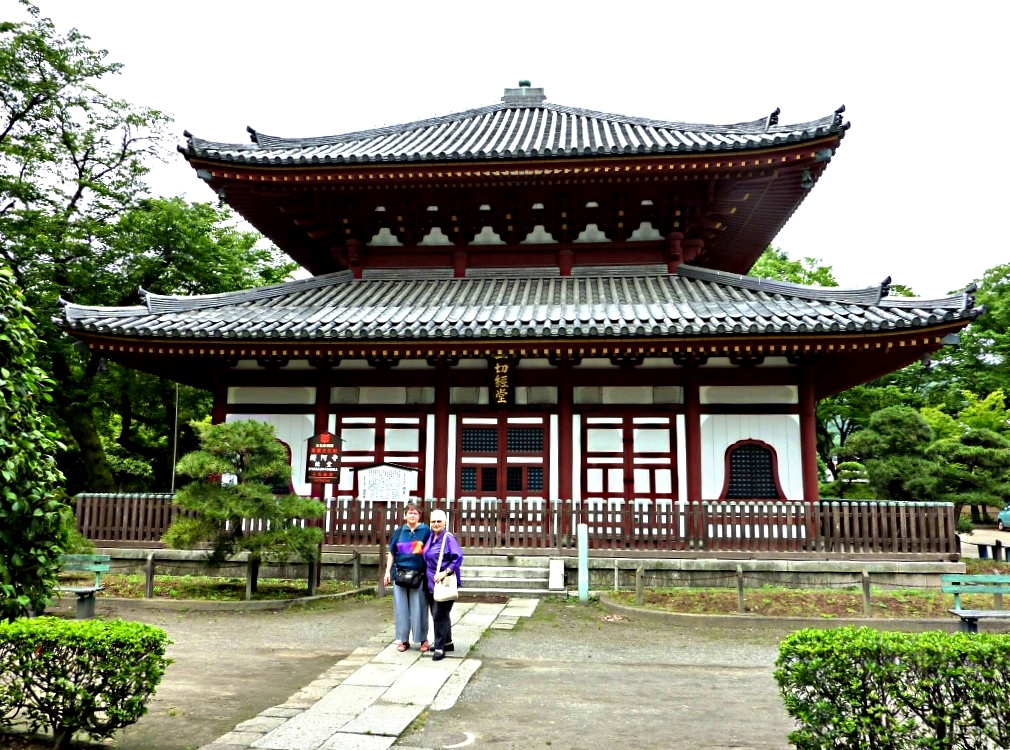
Keisokuji (鶏足寺, Keisokuji, literally “rooster-foot temple”) is a small Shingon-sect Buddhist temple in the Ashikaga district of southern Tochigi Prefecture. It’s one of 33 temples on the Ashikaga Sanjūsan Kannon Reijō (足利三十三観音霊場, “Ashikaga 33 Kannon Sacred Sites”) — a regional pilgrimage circuit established in the late Edo period and still actively walked by Japanese Buddhist pilgrims. The temple is tiny, the grounds are modest, and foreign visitors effectively never come here. For a certain kind of traveller — anyone who’s done the famous temple circuits in Kyoto and wants to see what a working prefectural-level Japanese Buddhist site actually looks like — that’s exactly the appeal.
In This Article
- Quick facts
- What Keisokuji actually is
- Getting there: the reality of a niche temple
- The broader Ashikaga temple circuit
- The 33-Kannon pilgrimage: do you actually walk it?
- Food and practicalities in Ashikaga
- Where to stay
- Is Keisokuji worth visiting?
- FAQ
- Is there English information at the temple?
- Can I buy a pilgrimage stamp?
- What’s the difference between Banna-ji and Keisokuji?
- Can I take photos inside the main hall?
- Is Ashikaga Flower Park worth combining?
- Is it safe to walk the 33-Kannon circuit alone?
Keisokuji is best understood as part of the broader Ashikaga temple landscape. The city of Ashikaga (足利市, Ashikaga-shi) was the ancestral seat of the Ashikaga clan, the samurai family that ruled Japan as shoguns from 1336 to 1573. What that means in practical tourism terms is that Ashikaga has one of the densest concentrations of Buddhist and Shinto sites outside of Kyoto or Kamakura — a temple complex that includes Japan’s oldest school, the vast Banna-ji former clan temple, and dozens of smaller sub-temples on the 33-Kannon pilgrimage route. Keisokuji is one of those smaller nodes.
Quick facts
- Where: Keisokuji, 2748 Omata-cho, Ashikaga-shi, Tochigi 326-0338. Northwest of Ashikaga city centre, near the Watarase River.
- Getting there: JR Ryomo Line to Ashikaga Station (from Tokyo: JR Utsunomiya Line → transfer at Oyama → Ryomo Line, 2 hours total, ¥2,200). From Ashikaga Station, taxi (¥1,500) or local bus + 15-minute walk. By car: Kita-Kanto Expressway, Ashikaga IC, 20 minutes.
- Hours: Grounds accessible daylight hours year-round. Main hall open 9:00-16:00; closed some weekdays (check with Ashikaga tourism office before visiting midweek).
- Cost: Free entry. Optional ¥100-300 donation for pilgrim stamp (goshuin).
- When to go: Spring for the grounds’ cherry trees (early April) and late November for the surrounding Ashikaga autumn colours. Avoid midsummer — the grounds have no shade and it’s fiercely hot.
- Official: No dedicated English site. The Ashikaga City tourism office covers the pilgrimage circuit and nearby sites.
What Keisokuji actually is
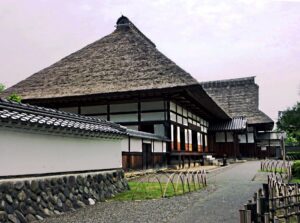
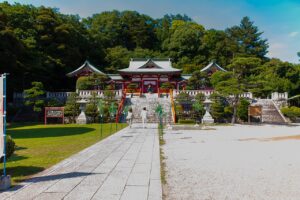
The temple is a small compound — a main hall (hondō) dedicated to the bodhisattva Kannon (Avalokiteśvara), a separate Kannon-do, a bell tower, and the modest residential quarters of the resident priest. The main hall’s principal image is a seated wooden Kannon statue carved in the late Heian period (around the 12th century), officially designated a Tochigi Prefectural Important Cultural Property.
Historical record is thin. Local tradition credits the temple’s founding to the early Heian period (roughly 900 CE) under the name Sesonji (世尊寺). The name was changed to Keisokuji in the 10th century after a specific military engagement — the details get folkloric (a war rooster, a triumphant general, a vision of the Buddha), but the substance is that a military victory was credited to the temple’s protective deity and the name was changed to commemorate it. The current main-hall building dates to the late Edo period (18th-19th century); earlier structures burned in fires during the turbulent late-medieval Ashikaga-clan wars.
On the Ashikaga 33 Kannon circuit, Keisokuji is number 17 — the midpoint of the pilgrimage, traditionally walked in a single 3-4 day circuit by devotees. The full route is about 55km and covers the whole Ashikaga basin plus some adjacent villages. Pilgrims collect stamps in a nōkyōchō (pilgrimage book), and completing the circuit is considered a minor act of Buddhist merit-making.
Getting there: the reality of a niche temple
This is worth saying plainly. Keisokuji is not on any English-language tourist map and access from Ashikaga Station is intentionally unglamorous. The temple sits in a rural zone northwest of the city centre, in the agricultural belt between the Watarase River and the prefectural forestry land.
The practical options:
By taxi from Ashikaga Station: 10-15 minutes, ¥1,500-2,000 one way. The drivers at the station know the temple (say “Keisokuji, Omata-cho”). Round-trip with 30 minutes waiting time will run ¥4,000-5,000. This is the most reliable option.
By local bus + walk: The Ashikaga Civic Bus’s Omata line runs from the station out to Omata-cho, 25 minutes, ¥200. Get off at the Omata-chuou stop and walk 15 minutes uphill. Bus frequency is low (four or five buses per day), so check times.
By bicycle: Ashikaga Station has rental bicycles available at the tourist info kiosk, ¥500 per day. 30-minute cycle each way on flat roads. Arguably the nicest option if the weather is OK — the route passes the Watarase River and some of the Ashikaga farm country.
By car: If you’re already driving in the region, the temple has a small car park directly at the gate. No reservations.
The broader Ashikaga temple circuit
Keisokuji makes sense as part of a half-day or full-day Ashikaga temple visit rather than a standalone trip. The logical combinations:
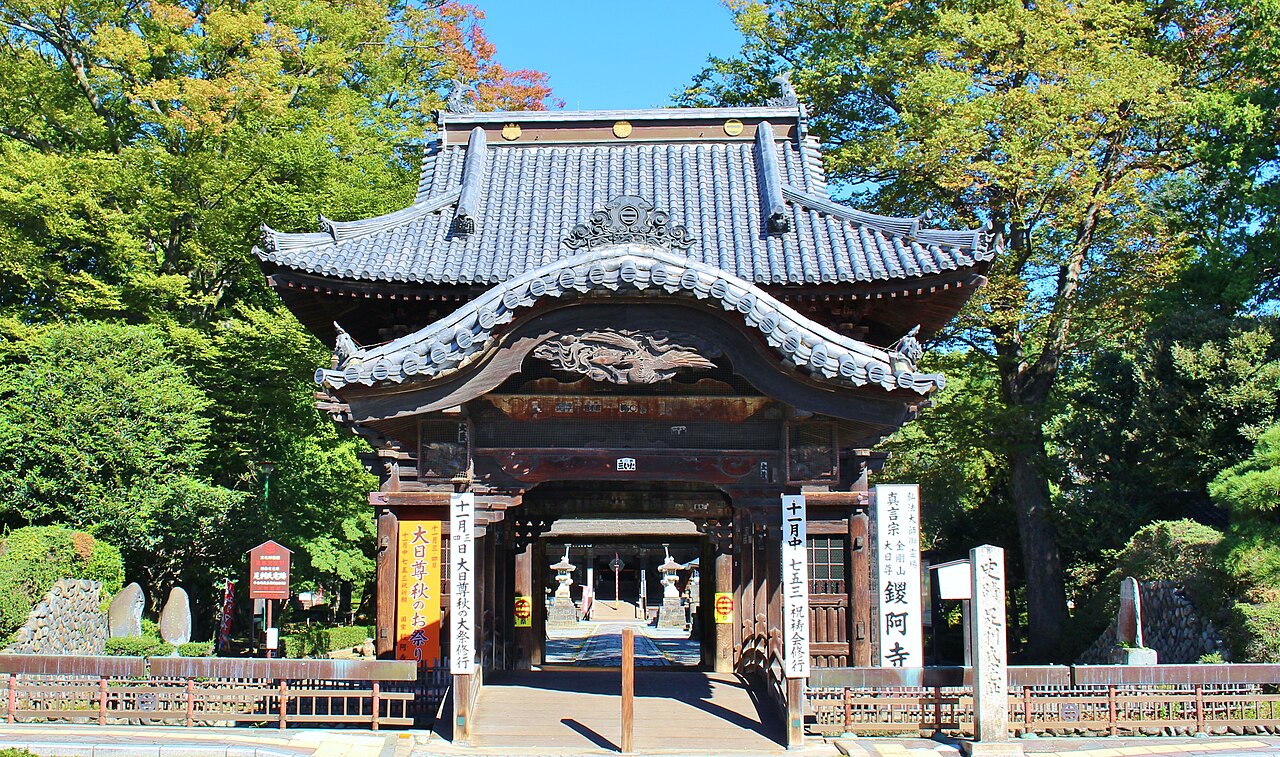
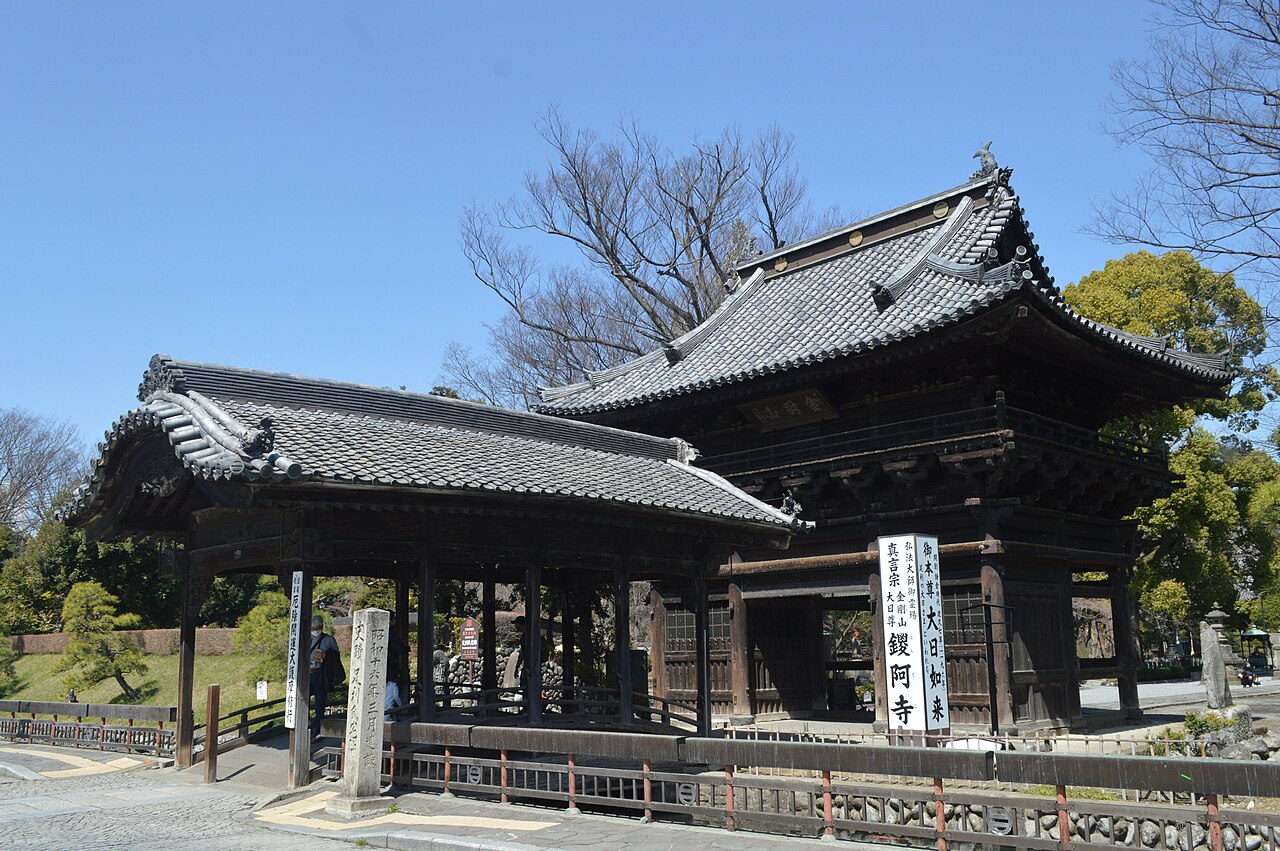
Banna-ji (鑁阿寺, Banna-ji) — the city’s headline temple, in the old castle precinct in central Ashikaga. Founded 1196 as the Ashikaga clan’s mortuary temple, designated a National Treasure in 2013. The compound is substantial — a main hall, a multi-storey pagoda (the Tahōtō), a sanmon gate, a Shinto sub-shrine, a lotus pond. Free entry, open daylight hours. This is the site every Ashikaga trip centres on.
Ashikaga Gakko (足利学校, “Ashikaga School”) — Japan’s oldest educational institution, founded in the 9th century and still standing as a historical museum and study complex. The Confucian-temple portion of the compound is directly across from Banna-ji, five minutes’ walk. Entry ¥420, open 9:00-16:30.
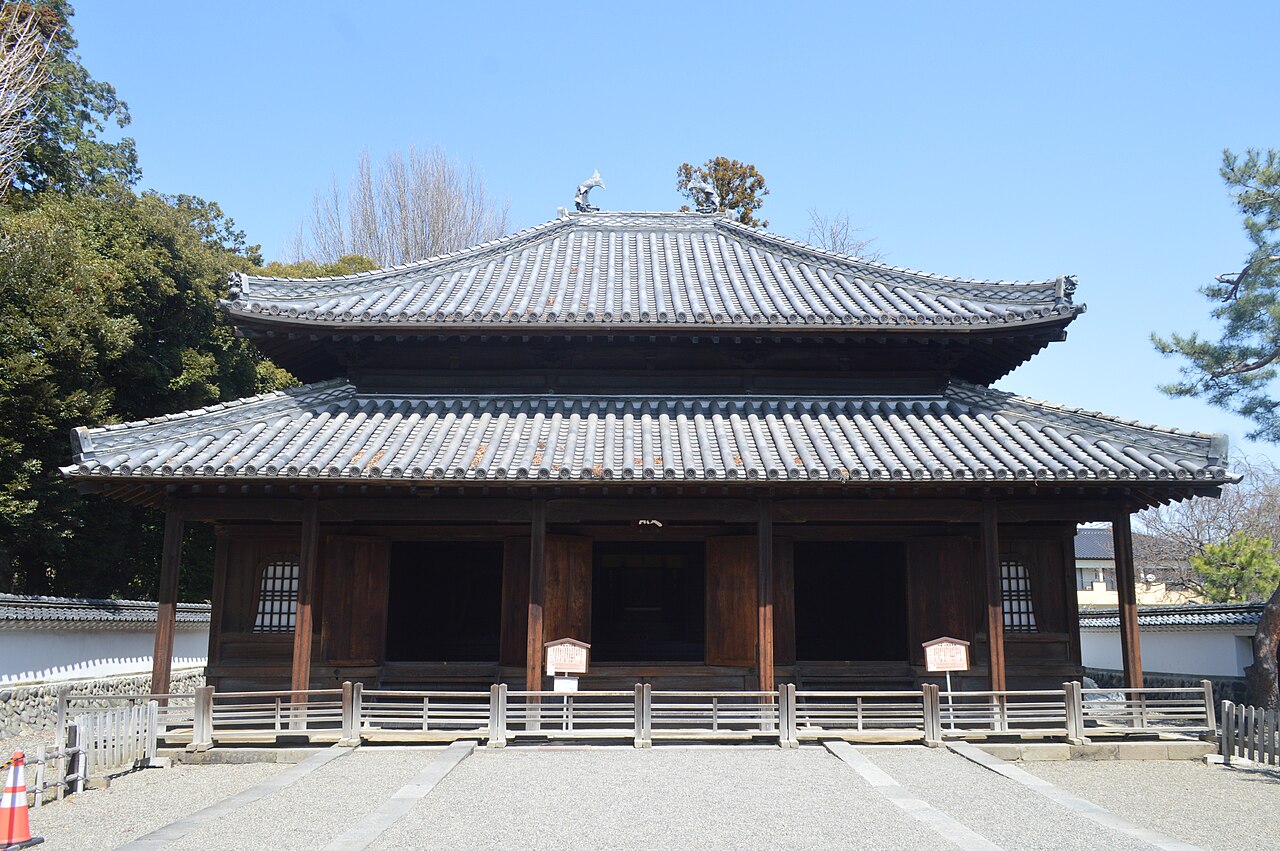
Kotokuji (光得寺, Kōtokuji) — another Ashikaga sub-temple, about 2km east of Keisokuji, also on the 33-Kannon circuit. Beautiful wooden sanmon gate, small but well-kept grounds. Number 21 on the pilgrimage circuit; worth pairing with Keisokuji on a temple-hopping morning.
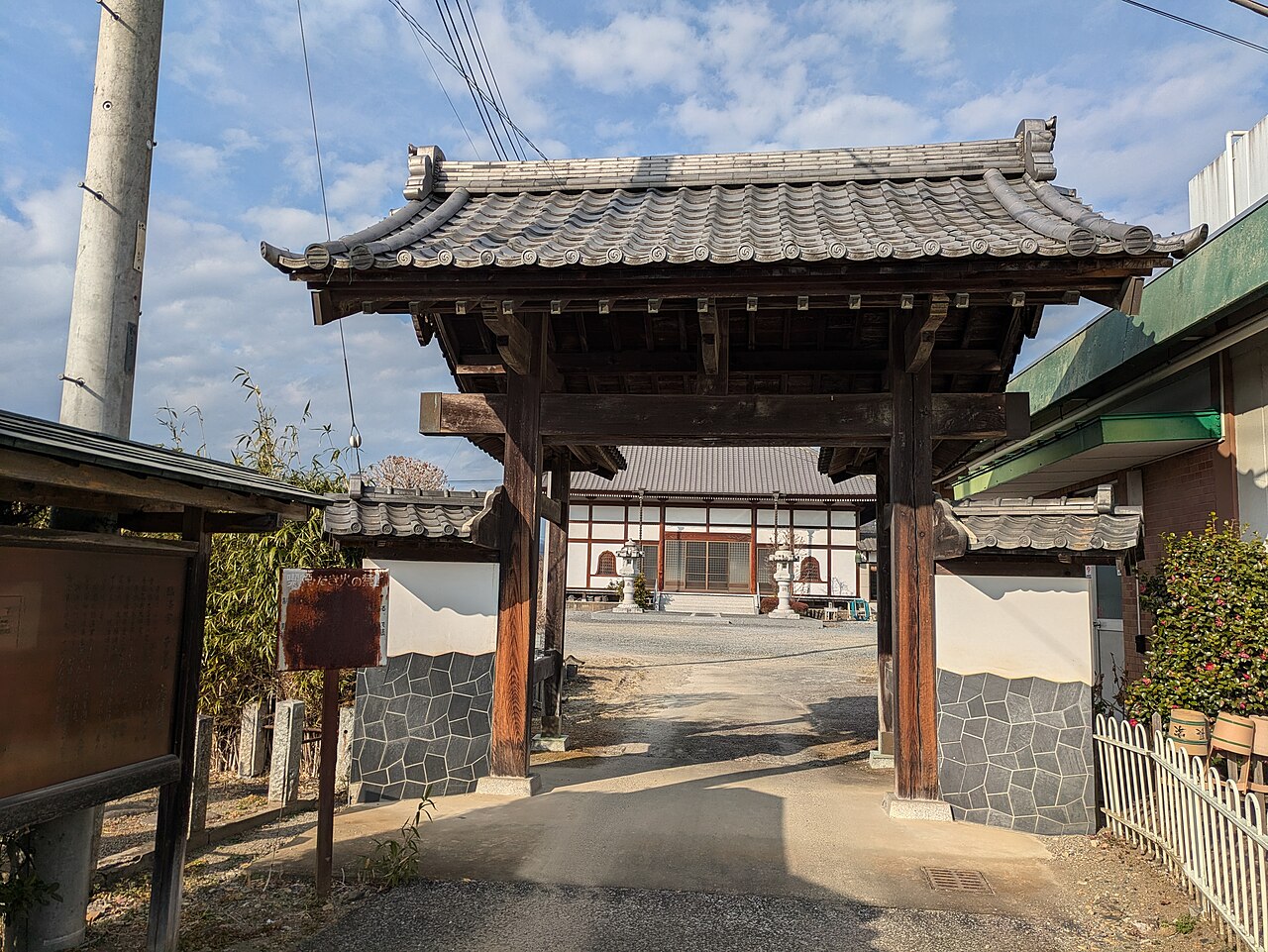
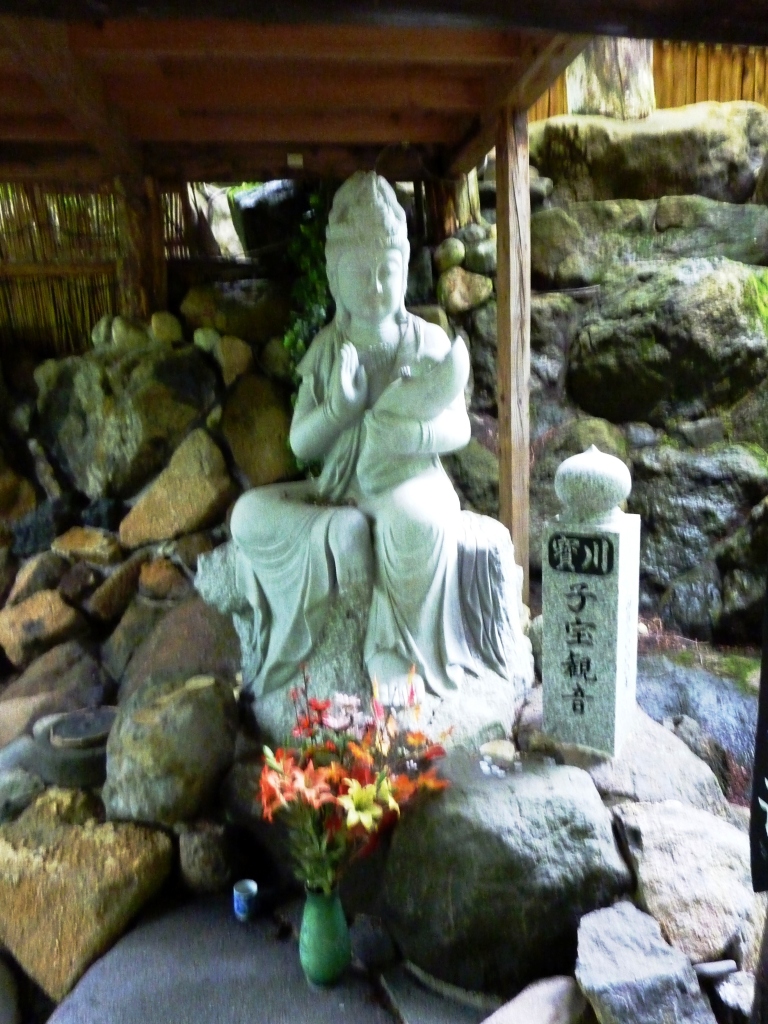
Smaller roadside shrines — the whole Ashikaga countryside is dotted with small Kannon shrines, stone Buddhas, and Jizo statues. If you’re in the area to walk the 33-Kannon circuit, you’ll pass dozens of these. Most are unlabeled and date anywhere from the 1600s to the late Edo period.
The 33-Kannon pilgrimage: do you actually walk it?
Worth answering directly. The full Ashikaga Sanjūsan Kannon Reijō is 55km of walking across three or four days for a moderate pace, or a single tough day for a serious pilgrim. For foreign visitors, it’s genuinely more practical to do a representative sample:
The half-day version: Banna-ji → Kotokuji → Keisokuji → a couple of mid-district smaller temples. 4-5 hours including travel, 8-10 km walking. This gives you the pilgrimage flavour without the commitment.
The one-day version: Add the eastern group (Saishōji, Tokuzōji) and the western group (Seikei-en garden, Daibosan hiking shrine). Full day, 15-20km walking.
The full pilgrimage: Best done as a three-day walk with overnight stays at Ashikaga business hotels, using a proper pilgrimage book and collecting the goshuin stamps. For serious Buddhist-pilgrimage enthusiasts only.
A practical note: the circuit is not set up for foreign pilgrims. Signage is Japanese-only, stamp-office hours are unpredictable, and most small temples don’t have English info. Carry the Ashikaga City tourism office’s Japanese pilgrimage pamphlet (free at the station info kiosk) for the map and don’t expect to find English help en route.
Food and practicalities in Ashikaga
Ashikaga is a working small city (population 145,000), not a tourist town — which means the dining options are local-everyday rather than visitor-focused. The specific local dishes to try:
Ashikaga shine-muscat grapes — the region produces Japan’s most premium table-grape variety. In season (September-October), ¥1,500-3,000 per cluster at the railway-station market.
Sobanomi soba — Ashikaga has a specific buckwheat-noodle tradition that uses the unhulled buckwheat groat rather than standard flour. Distinctive nutty flavour. Several soba restaurants on the main street near the station do it for ¥800-1,200.
Yuzu-miso — citrus-peel miso paste, a condiment specific to the Ashikaga-Watarase region, often sold at roadside stalls along the pilgrimage routes.
Where to stay
Ashikaga itself has thin accommodation — maybe a dozen business hotels total, clustered around JR Ashikaga Station. Ashikaga Flower Park Hotel (¥10,000-14,000) and APA Hotel Ashikaga Eki-mae (¥7,000-10,000) are the standard options.
Better base: Oyama (20 min by train east, the regional hub with broader hotel inventory) or Utsunomiya (40 min north, proper-sized city with the full spread). From either, Ashikaga is a day trip. Booking.com’s Ashikaga listings cover the local options.
Is Keisokuji worth visiting?
For travellers doing the Ashikaga day trip — yes, but only as part of a wider multi-temple circuit. Keisokuji on its own is a small historic temple with a modest Kannon statue; combined with Banna-ji and Kotokuji it becomes a meaningful introduction to regional-Japanese Buddhist pilgrimage culture.
For travellers interested specifically in the 33-Kannon circuit — yes, Keisokuji is number 17 and a natural midpoint stop on any serious walk of the route.
For a first-time Japan trip with limited time — skip. Ashikaga as a whole is worth a day, but Keisokuji individually doesn’t justify the journey. Come back for it on a second trip focused on samurai-era sites.
For photographers or anyone who likes genuinely quiet Japanese cultural sites — definitely yes. The combination of “extremely old temple,” “rarely visited,” and “functioning rather than museum-ified” is rare and worth an hour of your time.
For a broader Tochigi plan, combine Ashikaga with Nikko’s famous shrine complex (90 min north) or with a Nasu onsen weekend for a full two-to-three-day prefectural loop.
FAQ
Is there English information at the temple?
No. Zero English signage or printed material at the temple itself. The resident priest speaks limited English but is hospitable to foreign visitors — bring Google Translate’s camera function for any inscriptions.
Can I buy a pilgrimage stamp?
Usually yes, if the priest is on-site. ¥300 for a goshuin entry in a temple-stamp book (available at the entrance for ¥1,500 if you don’t have one). The stamp is hand-written calligraphy and dated to the day of visit; it’s a meaningful souvenir even for non-Buddhists.
What’s the difference between Banna-ji and Keisokuji?
Banna-ji is the major Ashikaga clan temple — big, historically significant, National Treasure status, visited by thousands of tourists annually. Keisokuji is a small regional temple on a pilgrimage circuit — tiny, quiet, visited by perhaps 50-100 pilgrims a day during peak pilgrimage seasons (April and October). Different scales, different experiences.
Can I take photos inside the main hall?
Usually no. Japanese temples customarily prohibit interior photography of the principal image; the custom is strictly observed at smaller temples like Keisokuji. Outside the main hall, photography is fine. Always ask before photographing a priest or active worshipper.
Is Ashikaga Flower Park worth combining?
Yes, and specifically in April-May for the wisteria bloom (the park’s headline attraction — a 150-year-old wisteria tree creating a violet ceiling). Free day-trip addition to any Ashikaga temple-circuit trip. The park is 15 minutes by train from Ashikaga Station.
Is it safe to walk the 33-Kannon circuit alone?
Yes, unambiguously. Rural Ashikaga is one of the safer parts of Japan and the pilgrimage route runs mostly on minor roads or dedicated footpaths. The only practical hazard is the summer heat; bring water and a hat. Winter walking is also fine but some of the smaller temples close their main halls December-February.


.jpg)
