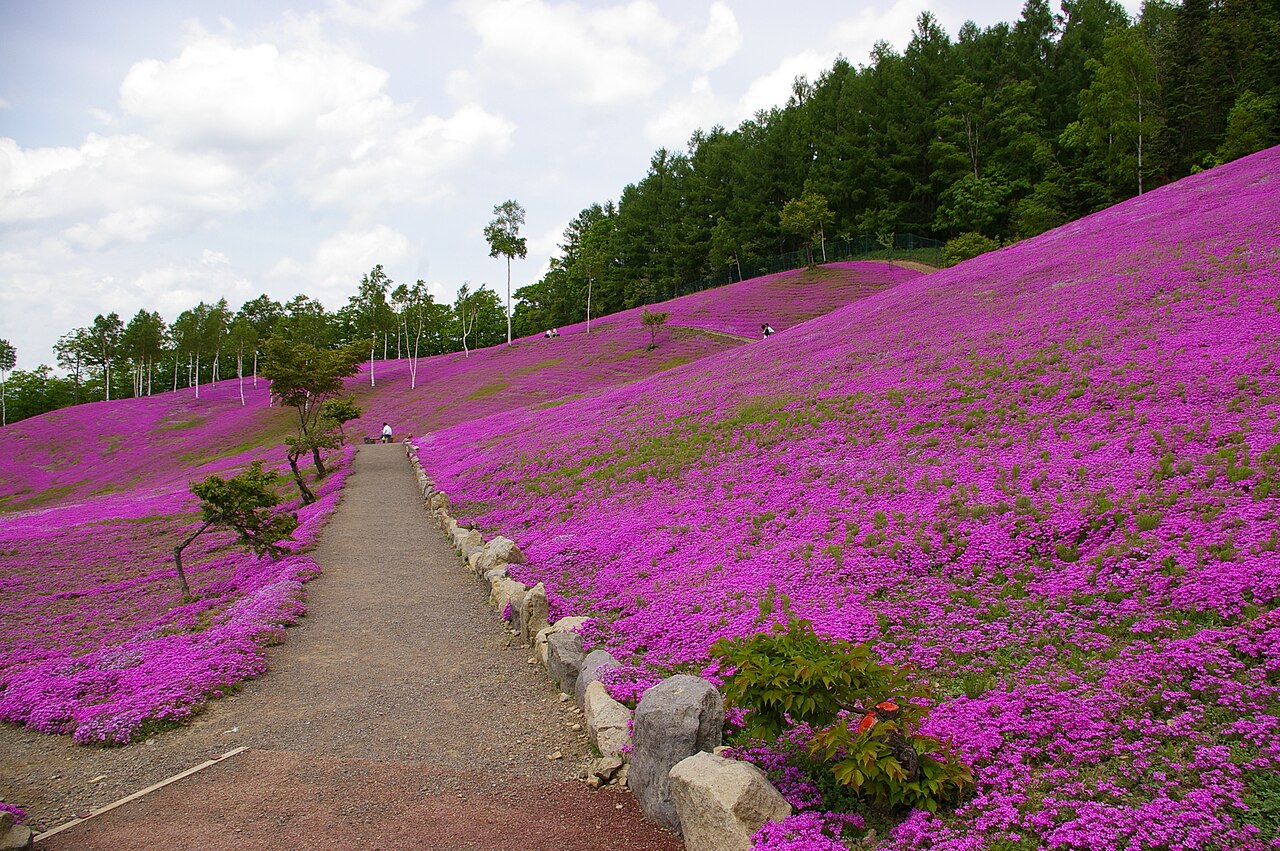
Takinoue (滝上, Takinoue) is a town of 2,500 people in eastern Hokkaido that, for about three weeks every May, turns its entire ten-hectare hillside into one continuous pink carpet. The carpet is made of shibazakura (芝桜, shibazakura, literally “lawn cherry”), the flowering ground-cover variety of Phlox subulata also known in English as “moss phlox” or “moss pink.” Takinoue has 100,000 square metres of the stuff — about 3 million individual plants — making it one of the three or four biggest continuous moss-phlox fields anywhere on earth. For those three weeks, the town’s population swells to 30x normal; for the other 49 weeks of the year, you’d struggle to find Takinoue on a map.
In This Article
- Quick facts
- What shibazakura actually is
- The park itself: layout and what to see
- The festival: what actually happens during peak season
- Takinoue town itself
- Getting there: the specific logistics
- Where to stay
- Combining Takinoue with other Hokkaido spring trips
- Is Takinoue worth the drive?
- FAQ
- When exactly does the shibazakura bloom?
- Is there a difference between “moss pink” and “shibazakura”?
- Are dogs allowed?
- Is there shade or cover?
- Can I buy shibazakura plants to take home?
- Is the helicopter tour worth ¥4,500?
- What else should I do if the weather ruins the flower-viewing?
The backstory is specifically modest. The field began in 1957 when a local dairy farmer called Shohei Hotta bought a crate of moss phlox seedlings from a travelling salesman and planted them on the south-facing hillside above his farm. The plants thrived, he kept planting, the town caught on, and the hill is now a civic project maintained by the Takinoue Shibazakura Preservation Association. Scale-up took about thirty years; the current 100,000m² footprint was reached in the late 1980s. No commercial gardener designed this; no governmental park office commissioned it. It’s a volunteer-built monument that happened to become one of Hokkaido’s top spring attractions.
Quick facts
- Where: Takinoue Park, Motomachi, Takinoue-cho, Monbetsu-gun, Hokkaido 099-5604. Eastern Hokkaido, 240km northeast of Sapporo.
- Getting there: By car: 4 hours from Sapporo on the Hokkaido Expressway via Asahikawa. By bus: direct Shibazakura-liner coach from Asahikawa Station during festival season only (3 hours, ¥3,500). By train + bus: JR to Engaru (nearest station, 40km away), then local bus. No rail station in Takinoue itself.
- Hours: Park open 24/7 year-round but only meaningful during the late-April to early-June bloom window. Festival-period gate hours 8:00-17:00; illumination 18:00-21:00 on peak-bloom weekends only.
- Cost: ¥500 entry during festival period (¥250 child). Free outside festival dates. Paid parking ¥200 for cars, ¥500 for buses. Optional extras: helicopter tour ¥4,500 per person, small golf-cart-style “shibazakura go-kart” ¥500.
- When to go: Peak bloom is typically May 15-25. The festival runs early May to early June to cover the full window. Late April is too early; mid-June has mostly faded to green.
- Official: Takinoue Tourism, Hokkaido Tourism Organisation.
What shibazakura actually is
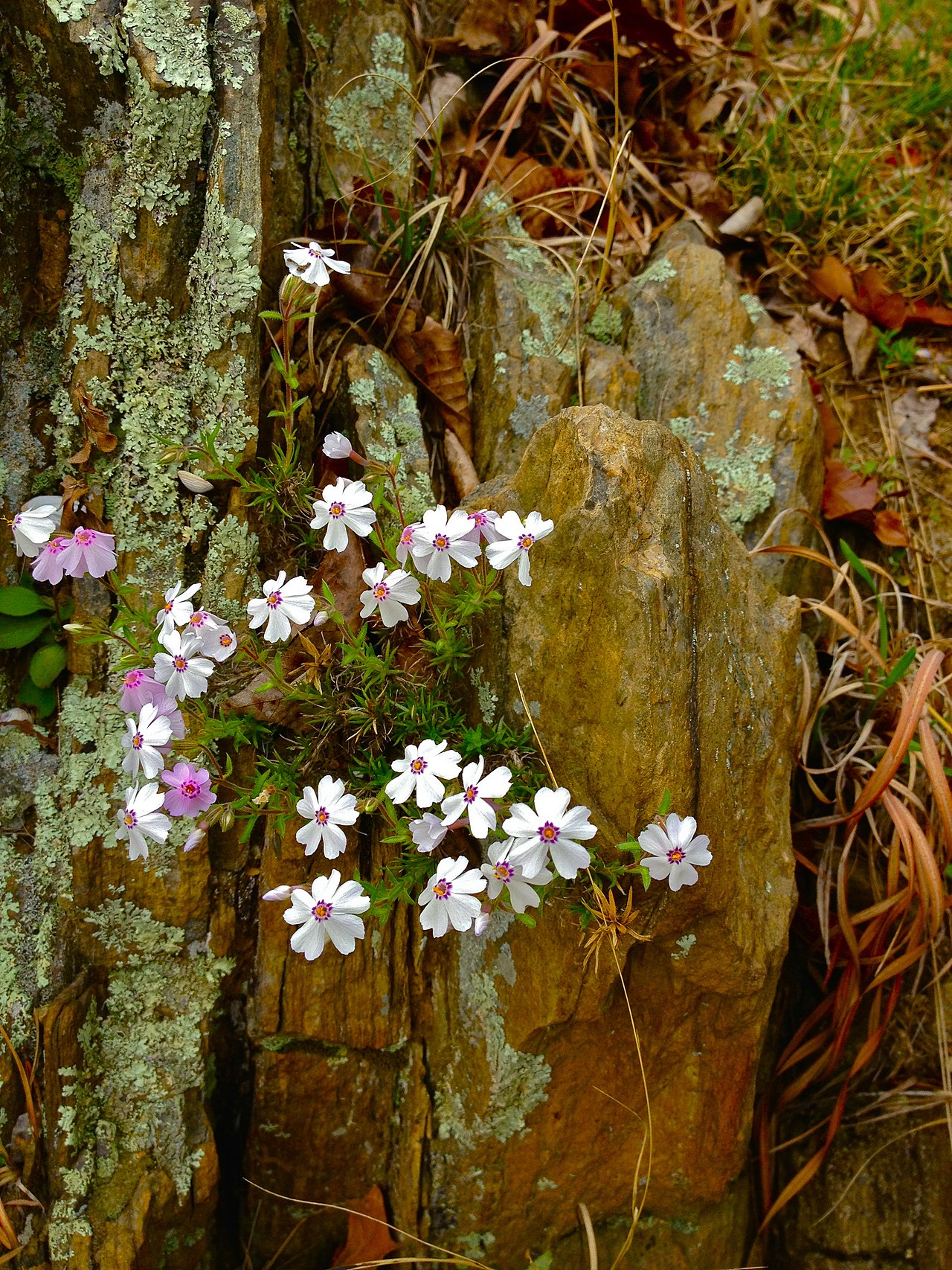
Shibazakura is the Japanese common name for Phlox subulata, a low-growing, mat-forming perennial flowering plant native to North America (specifically the Appalachian mountain belt). The literal translation of the Japanese name — “lawn cherry” — comes from the resemblance of the flower to a miniature cherry blossom: five petals, same pink-to-lilac colour range, same star-shape. The plant itself is only 5-10cm tall and spreads as a dense groundcover rather than a single bloom.
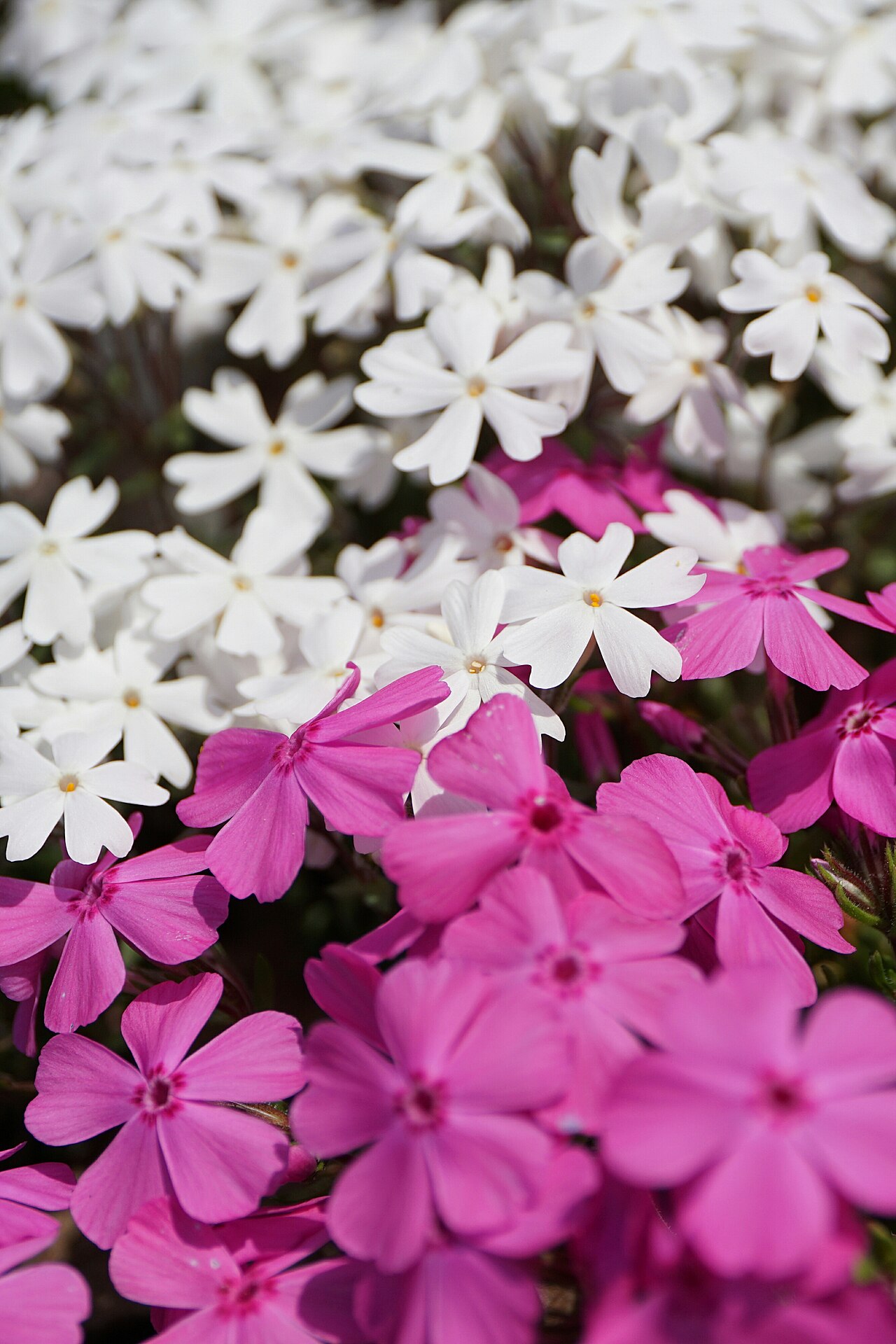
Commercial varieties of Phlox subulata come in shades from deep magenta through pink, lavender, and white. Takinoue uses a specific cultivar mix — mostly pink and magenta, with accent strips of pure white and a smaller amount of lavender — chosen to maximise visual contrast from a distance. On a calm May morning the sweet perfume from the flowers is strong enough that you can smell the park from 200 metres away before you can see it.
The park itself: layout and what to see
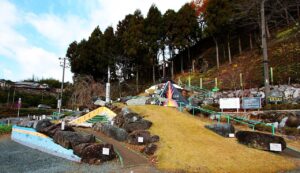
The field is laid out in terraced bands on a south-facing slope that rises about 80 metres above the town centre. Paved walking paths cut through the flower beds in a shallow zig-zag up the hillside, with the climb easy enough for a leisurely pace — allow 30-45 minutes to walk the full loop. Bench clusters are spaced every 100 metres or so for rest stops, and there’s a main viewing platform near the top of the slope with the classic postcard shot back down across the whole field.

The photography angles that work best:
- Lower entrance gate, looking up the slope: the classic “pink hillside” frame. Early morning (7-8am) gives the best side-light and the fewest crowds.
- Middle platform, looking across: the colour-band shot that captures the banding pattern of different cultivars. This is the shot you see on the Hokkaido tourism brochures.
- Top platform, looking down: the wide sweep that shows the town in the background and gives the scale context.
- Helicopter tour (¥4,500): the aerial shot. A 3-minute flight from the adjacent Hotaru-no-Oka airfield, flying over the park and back. Pricey for three minutes but the only way to get a truly top-down view.
The festival: what actually happens during peak season
The Takinoue Shibazakura Matsuri (滝上芝ざくらまつり, “Takinoue Moss Phlox Festival”) runs from early May to early June, covering the full bloom window. During the festival period, the park programs a rolling calendar of:
- Live music on the main stage (weekends only) — a mix of local Hokkaido acts, enka singers, and occasional brass-band performances.
- Food stalls along the lower gate path — jingisukan (Hokkaido mutton BBQ), grilled local dairy cheese, soft-serve ice cream (of course), Hokkaido kaisendon (seafood rice bowl) from visiting Abashiri vendors.
- Shibazakura go-karts — small electric carts that run on a track along the uphill edge of the park for kids. ¥500 for 5 minutes.
- Helicopter tours from the adjacent Hotaru-no-Oka airfield, 3-minute flights operated by a regional charter company.
- Evening illumination on the two peak-bloom weekends (typically the third and fourth weekends of May) — the park lights run 18:00-21:00 and the colour effect under spot lighting is dramatically different from daytime. Worth staying for if you’re in town overnight.
A note about the crowds: Takinoue sees about 150,000 visitors across the festival season. On the peak weekends (typically two Saturdays in mid-May), the daily count can hit 20,000 — which turns this small-town park into a proper scrum. If you can visit on a weekday, do. Monday or Tuesday in peak week is genuinely the best combination of maximum bloom and minimum crowds.
Takinoue town itself
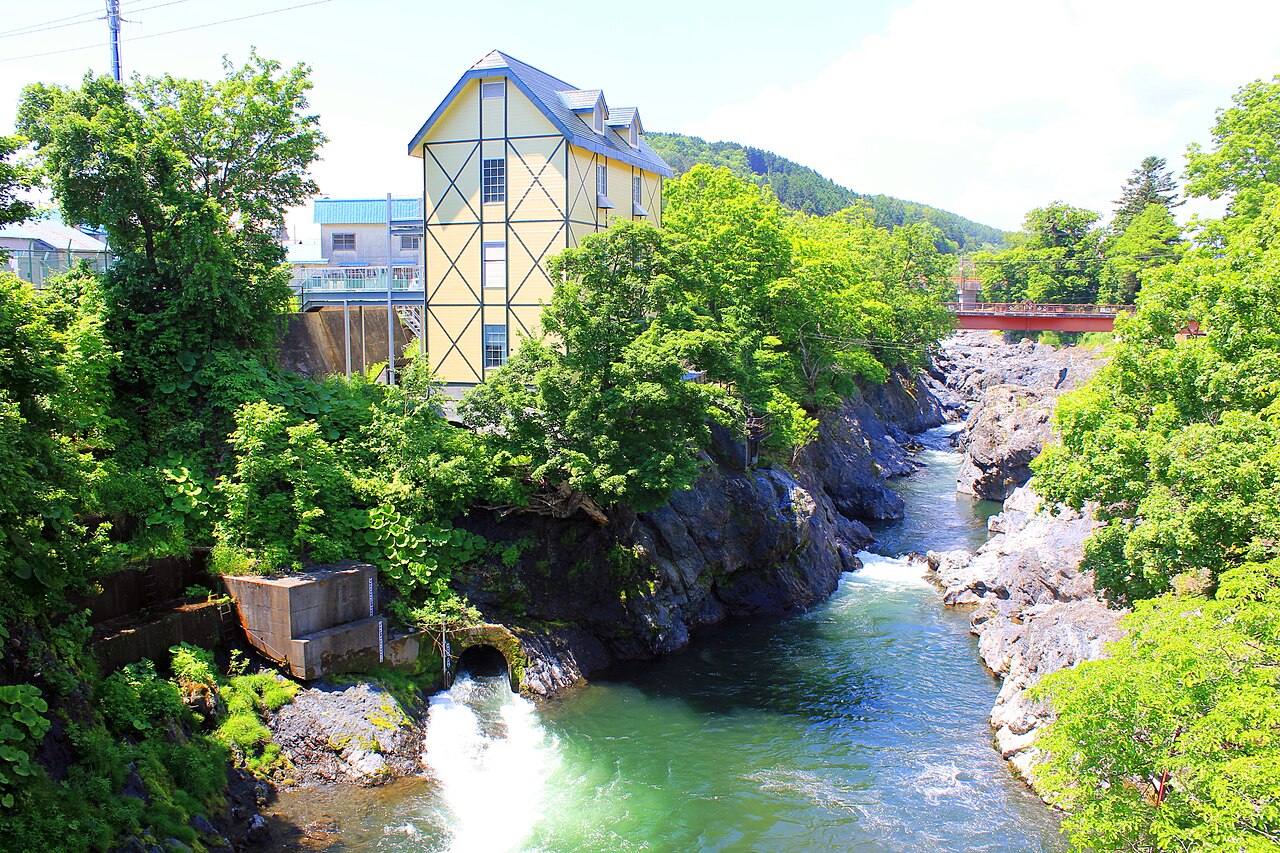
The town is genuinely small — about 2,500 residents, a single main street, and a commercial district you can walk end-to-end in ten minutes. Most of the civic buildings are clustered around Motomachi (the old downtown) at the foot of the shibazakura hill, which makes everything walking-distance from the park.
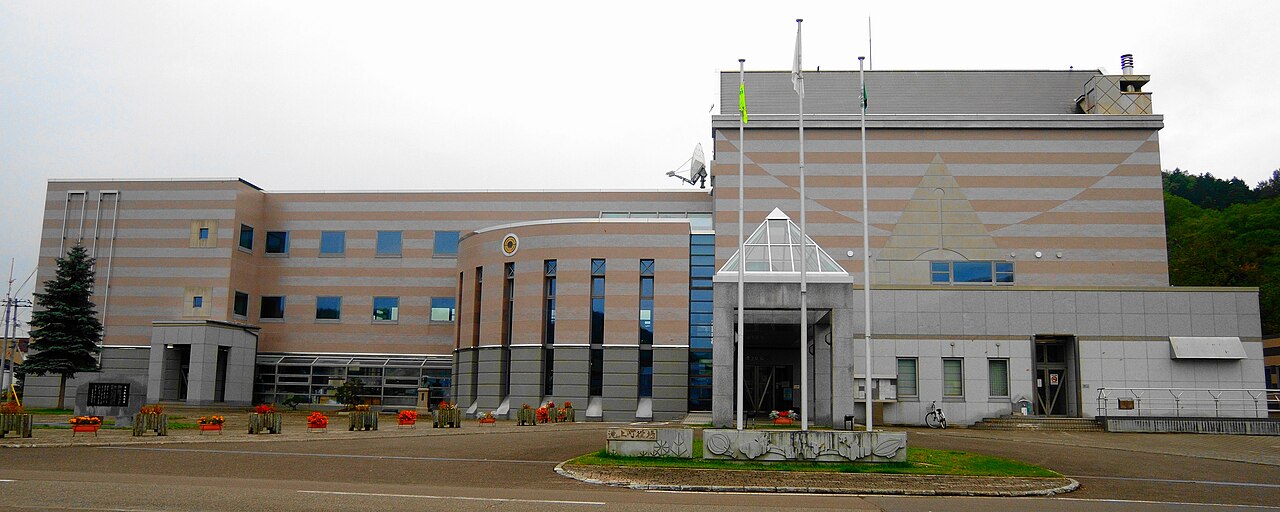
Worth knowing about the town, if you do the overnight visit:
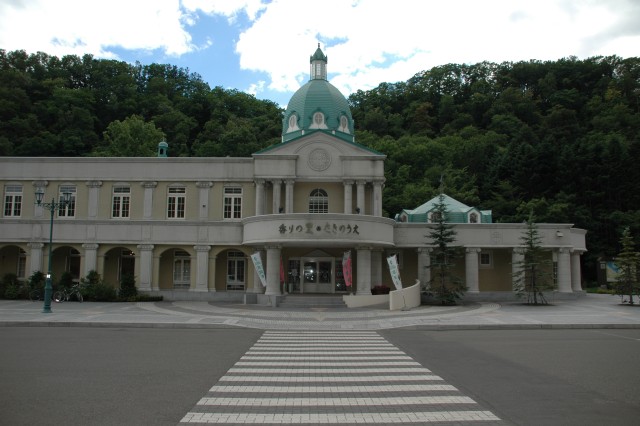
Kaorinosato Takinoue (香りの里たきのうえ) — the local michi-no-eki (road-station), a rural combination of tourist info centre, local-produce market, and casual restaurant. Open 9:00-17:00, free parking, and the best stop for shibazakura-themed souvenirs (dried flower sachets, honey, the specific “shibazakura ice cream” that’s become a local meme).
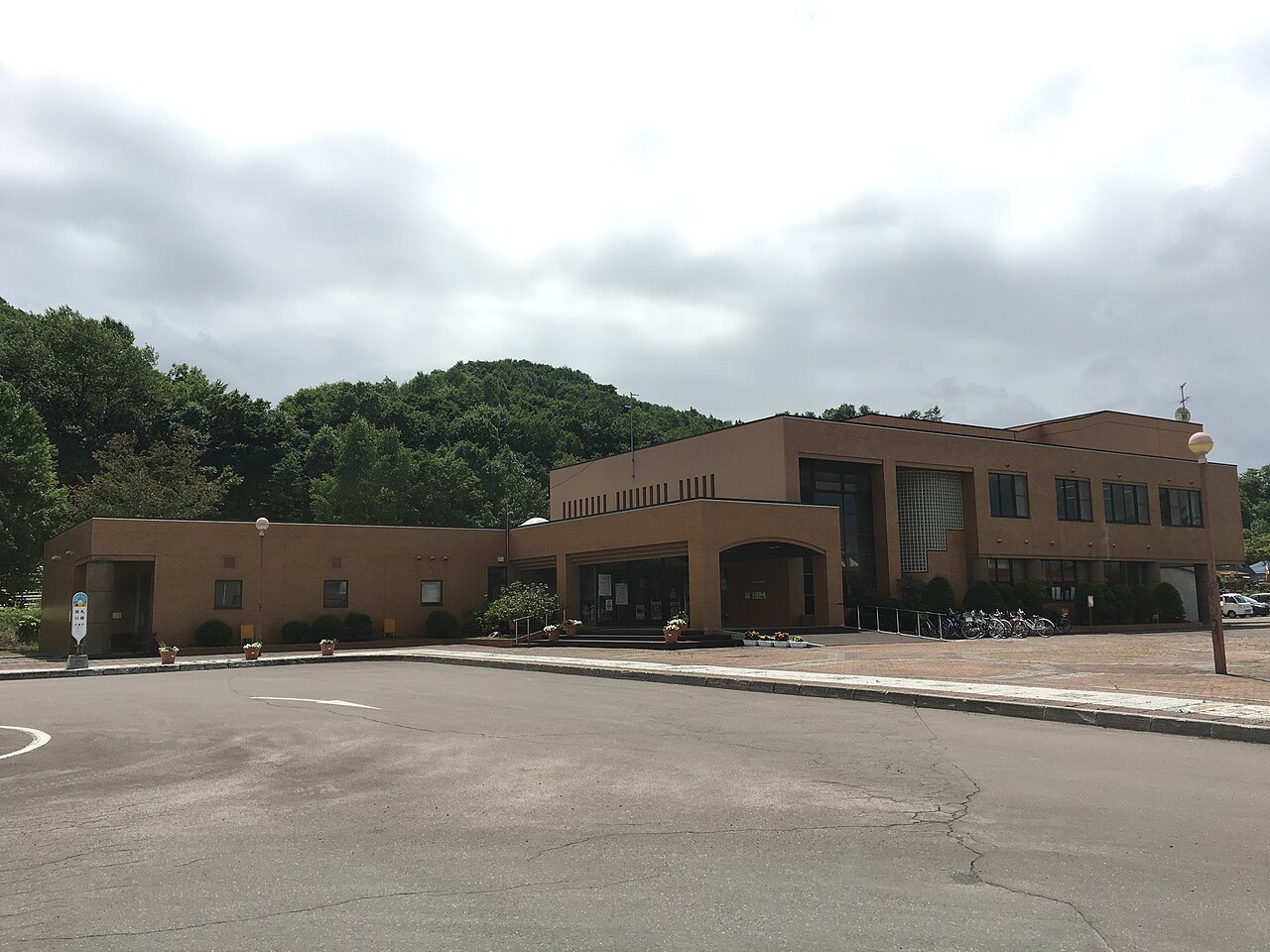
Takinoue Culture Center — free entry, houses a small shibazakura history exhibit (in Japanese, but the photographs from the 1960s-80s development period are worth seeing).
Takinoue Onsen — a small day-use onsen attached to Hotel Keikoku on the river-bank at the north end of town. ¥500 entry, open 10:00-22:00, tattoo-friendly if you ask in advance. The water is a simple alkaline spring — nothing special but a proper restoration stop after a day on the hillside.
Getting there: the specific logistics
Takinoue’s remote position is a real factor. It’s 240km from Sapporo, 90km from Asahikawa, and not on a rail line. Options:
By rental car (recommended): Pick up in Asahikawa, drive Route 273 north 2.5 hours. The drive itself is good — Hokkaido rural highway through birch and larch forest, about as pleasant as Japanese driving gets. Return same day possible but a one-night stop is much more relaxing. Budget ¥8,000-10,000 per day for a compact rental.
By festival shuttle bus: The Shibazakura-liner runs direct from Asahikawa JR Station to Takinoue Park during the festival period only (usually mid-April to early June). 3 hours each way, ¥3,500 one-way, daily round-trip service with a 4-hour window at the park. Bookings open early April on the Hokkaido Bus website.
By tour bus: Several Sapporo and Asahikawa tour operators run day-trip packages during peak weeks — typically ¥8,000-12,000 including coach, park entry, and a cheese-farm stop on the return. Good if you don’t want to navigate the logistics yourself.
By train + local bus (difficult): Sapporo → Asahikawa on the JR Hakodate Main Line (90 min) → JR Sekihoku Main Line to Engaru (2 hours) → local bus Takinoue (40 min). Total 5-6 hours each way including connections, and you’ll be racing to catch the last bus back. Not recommended unless you’re really committed to rail.
Where to stay
The two meaningful options in Takinoue are Hotel Keikoku (the one with the onsen) and the Takinoue Hotel — both ¥8,000-14,000 per night for a twin with breakfast. Very small inventory, book 3-4 weeks out for peak-bloom weekends.
For more room inventory, use Monbetsu (60km east on the coast, a proper small city with 20,000 residents and a dozen hotels) or Asahikawa (90km south, Hokkaido’s second city with full-spread inventory). Both are 60-90 minute drives and give you more dinner options and broader hotel choice. Booking.com’s Hokkaido listings cover both.
Combining Takinoue with other Hokkaido spring trips
Takinoue sits specifically in the eastern part of the island, which means it pairs well with other eastern-Hokkaido destinations:
- Abashiri (90 min east by car) — the historic prison museum, the Okhotsk coast, the drift-ice museum.
- Lake Saroma (45 min east) — Japan’s third-largest lake, oyster production, quiet bird-watching.
- Higashimokoto Shibazakura Park (90 min east via Koshimizu) — the other major Hokkaido shibazakura site, about the same scale as Takinoue but reached via a different route. If you’re doing the “flower loop,” both in one long day works.
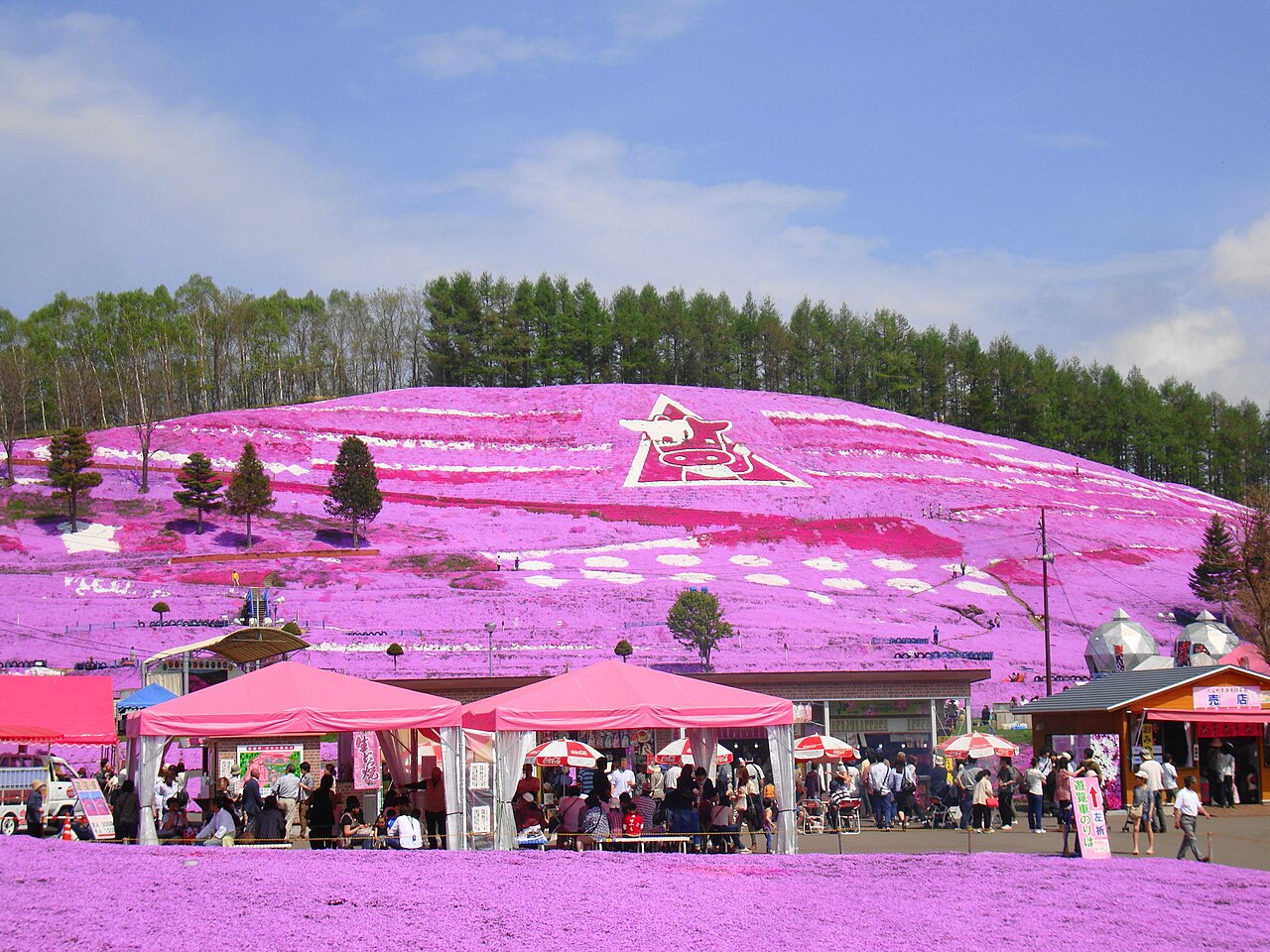
- Kamiyubetsu Tulip Park (30 min northeast) — same season (May) but tulips rather than shibazakura. Good half-day add.
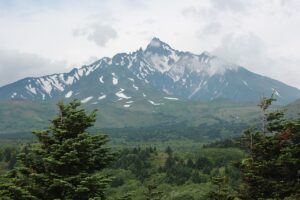
- Rishiri-Rebun-Sarobetsu National Park — see our separate guide. Not really on the same trip as Takinoue; the far-north islands are a different logistics problem.
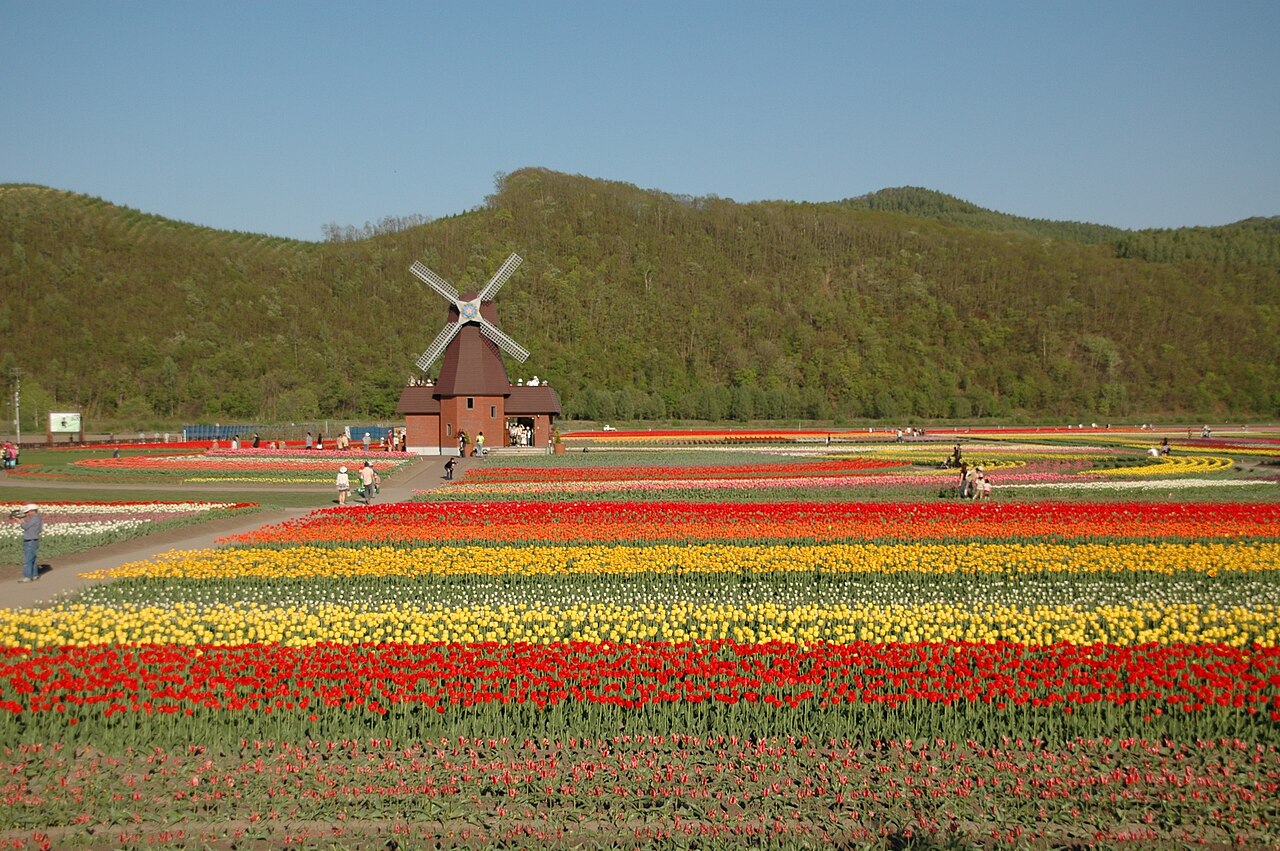
For a broader Hokkaido spring loop (see our Kamiyubetsu tulip guide for the neighbouring May flower park, or the Rishiri-Rebun islands further north), Takinoue also combines with Furano and Biei (4 hours southwest) for a flower-focused circuit that takes 4-5 days.
Is Takinoue worth the drive?
For flower-photography enthusiasts — yes, unambiguously. The 10-hectare scale of the field is rare in Japan (only Higashimokoto near Abashiri is comparable) and the specific terraced layout gives photo angles that nowhere else in the country produces. Peak-bloom weekdays are genuinely rewarding.
For general Hokkaido travellers doing the eastern side — yes, as a half-day stop on a longer itinerary. Combined with Abashiri, Saroma, and the Okhotsk coast, it fits naturally. By itself as a destination, the drive is long.
For first-time Japan visitors on a short itinerary — skip. The remote position makes it hard to justify; if you want hanami in Japan there are dozens of easier spots. Come back for it on a second trip focused on Hokkaido specifically.
For the specific moss-phlox-chasing subculture (yes, it exists) — Takinoue is a pilgrimage-level destination. The three top Japanese shibazakura sites (Takinoue, Higashimokoto, and Fuji Shibazakura Park in Yamanashi) are all on the serious enthusiasts’ checklist.
FAQ
When exactly does the shibazakura bloom?
Peak bloom is May 15-25 most years. The earliest recorded peak was May 9 (warm 2023 spring); the latest was May 29 (cold 2020 spring). The Takinoue tourism association posts a daily bloom percentage from late April onward — check their official site before committing travel dates.
Is there a difference between “moss pink” and “shibazakura”?
No — they’re the same plant. “Moss pink,” “moss phlox,” and “creeping phlox” are all English names for Phlox subulata; “shibazakura” (芝桜) is the Japanese name. The species itself is North American in origin but the Japanese name became its international brand because of the scale of Japanese plantings.
Are dogs allowed?
Yes, on leash. Takinoue is one of the more dog-friendly flower parks in Japan — no entry restrictions, no breed limits, standard leash rule. Scoop-and-dispose bins are at both the entrance and exit gates.
Is there shade or cover?
Thin. The hillside is open and south-facing — full sun for most of the walk, which is excellent for the flowers and a challenge on hot days. Bring a hat and sunscreen. The only covered seating is at the lower-entrance food-stall area and a small canopy at the main viewing platform.
Can I buy shibazakura plants to take home?
The Kaorinosato roadside station and the park entrance shop both sell potted seedlings from late April. ¥500-1,200 per plant depending on the variety. Note: these need to be declared at customs if you’re taking them out of Japan, and most countries prohibit the import without phytosanitary certification. Buying is reasonable if you’re staying in Japan; shipping them home isn’t worth the paperwork.
Is the helicopter tour worth ¥4,500?
If you like flying and like aerial photography, yes. The 3-minute flight genuinely does give you the only top-down perspective of the full 10-hectare field, and it’s cheap by helicopter-tour standards (short flights in Tokyo run ¥15,000+). If you’re ambivalent, skip — the ground-level photographs are what most people actually want.
What else should I do if the weather ruins the flower-viewing?
Takinoue has a small onsen, a museum, a roadside station, and a handful of local restaurants — enough for a half-day even in rain. For a weather contingency, have Monbetsu (60km east) as your bail-out plan: the city has the Hokkaido drift-ice museum (indoor), the tokkari sea-lion research centre, and a proper-sized shopping district if you need a rainy-day city.